[ 2026.02.20 ] February 27th is International Polar Bear Day.
【Pitten ZOO】2月27日は、国際ホッキョクグマ(シロクマ)の日です。
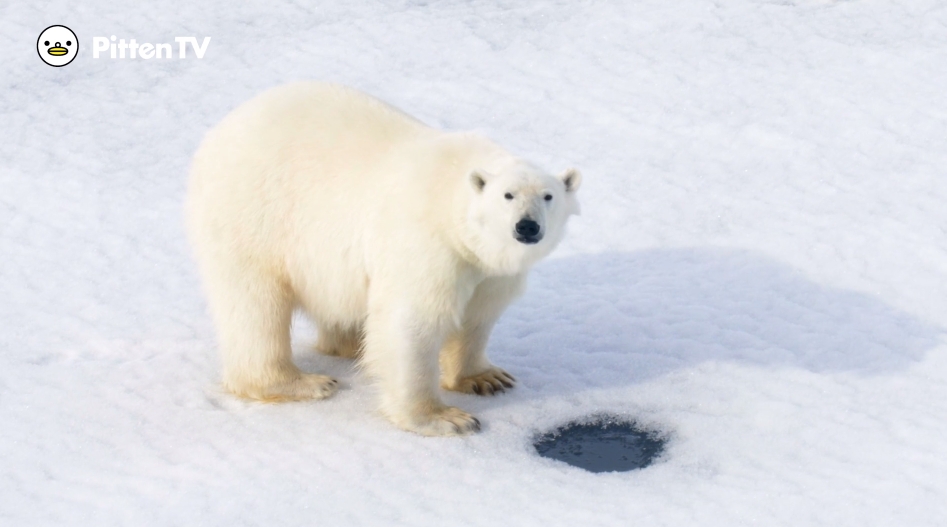
毎年2月27日は、地球温暖化の影響で絶滅の危機に瀕しているホッキョクグマの保護と、彼らが直面する環境問題への意識を高めるために制定された国際的な記念日です。アメリカに本拠を置く非営利団体「ポーラー・ベア・インターナショナル(Polar Bears International)」によって提唱されました。この時期(2月下旬)は、母グマと子グマが巣穴の中で過ごす重要な時期にあたります。
どんなどうぶつ?
ホッキョクグマは、北極圏の氷原や海域に生息する世界最大級の肉食獣です。全身が白く見えるため、シロクマとも呼ばれますが、実際の体毛は透明な中空構造で、太陽光を効率よく地肌に届ける役割を果たしています。地肌そのものは黒色で、熱を吸収しやすい仕組みになっています。主食はアザラシで、海氷を足場にして狩りを行います。泳ぎが非常に得意で、一度に数十キロメートルを泳ぐことも可能です。寒冷地に適応した厚い脂肪層を持ち、厳しい冬を生き抜く身体構造を有しています。
Pitten ZOO:ホッキョクグマ(シロクマ)を動画でみる
どんなどうぶつ?
ホッキョクグマは、北極圏の氷原や海域に生息する世界最大級の肉食獣です。全身が白く見えるため、シロクマとも呼ばれますが、実際の体毛は透明な中空構造で、太陽光を効率よく地肌に届ける役割を果たしています。地肌そのものは黒色で、熱を吸収しやすい仕組みになっています。主食はアザラシで、海氷を足場にして狩りを行います。泳ぎが非常に得意で、一度に数十キロメートルを泳ぐことも可能です。寒冷地に適応した厚い脂肪層を持ち、厳しい冬を生き抜く身体構造を有しています。
Pitten ZOO:ホッキョクグマ(シロクマ)を動画でみる
Every year on February 27, an international commemorative day is observed to promote the protection of polar bears—an animal facing the risk of extinction due to the impacts of global warming—and to raise awareness of the environmental issues they confront. The day was proposed by the U.S.-based nonprofit organization Polar Bears International. Late February is a particularly critical period, as mother bears and their cubs spend this time inside their dens.
What kind of animal is it?
Polar bears are among the largest carnivorous mammals in the world, inhabiting the Arctic’s icy plains and surrounding seas. They are also known as white bears because they appear white, but their fur is actually transparent and hollow, allowing sunlight to efficiently reach their skin. Their skin itself is black, which helps absorb heat. Their primary prey is seals, which they hunt from sea ice platforms. Polar bears are excellent swimmers and can travel dozens of kilometers in a single swim. They are well adapted to cold environments, with a thick layer of body fat and a physical structure that enables them to survive harsh winters.
Pitten ZOO: Watch a polar bear (white bear) video
What kind of animal is it?
Polar bears are among the largest carnivorous mammals in the world, inhabiting the Arctic’s icy plains and surrounding seas. They are also known as white bears because they appear white, but their fur is actually transparent and hollow, allowing sunlight to efficiently reach their skin. Their skin itself is black, which helps absorb heat. Their primary prey is seals, which they hunt from sea ice platforms. Polar bears are excellent swimmers and can travel dozens of kilometers in a single swim. They are well adapted to cold environments, with a thick layer of body fat and a physical structure that enables them to survive harsh winters.
Pitten ZOO: Watch a polar bear (white bear) video