EN
JA



ニュース
[ 2025.10.08 ] 【Pitten TRAVEL】10月9日は、ウガンダ共和国の独立記念日です
Last update : 2026.10.09
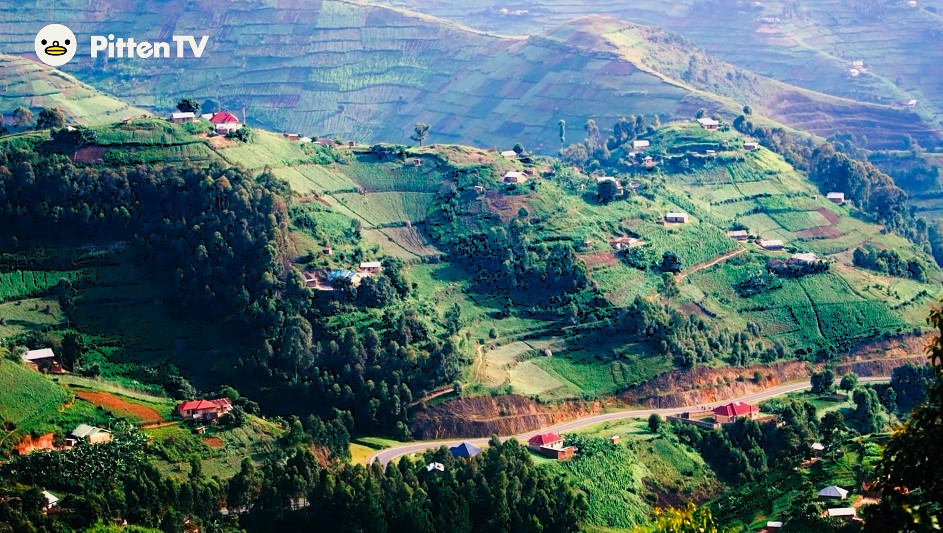
ウガンダの独立記念日は、1962年10月9日にイギリスの保護領から独立を果たしたことを記念する国民の祝日です。独立以前のウガンダは、1894年からイギリスの支配下に置かれていました。第二次世界大戦後に高まった民族運動の結果、独立が認められ、この日が記念日として制定されました。
どんな国?
ウガンダ共和国はアフリカ大陸東部に位置し、赤道直下にあります。「アフリカの真珠」とも呼ばれ、ビクトリア湖をはじめとする豊かな水資源と自然に恵まれた内陸国です。ゴリラ・トラッキングで知られるブルンジとの国境付近にあるブウィンディ原生国立公園など、多様な野生動物が生息するサファリ観光地としても人気があります。首都はカンパラで、公用語は英語とスワヒリ語です。
Pitten TRAVEL:ウガンダ共和国を動画でみる
【詳しい情報】
ウガンダの独立記念日は、1962年10月9日に、それまで68年間続いていたイギリスの保護領支配が終わりを告げ、ウガンダが主権国家として新たな一歩を踏み出した日を記念するものです。この日はウガンダの歴史における重要な転換点であり、国民にとって自由と自治の達成を象徴する日として、毎年盛大に祝われます。
独立に至るまでには、19世紀後半にヨーロッパ列強によるアフリカ分割が進む中で、ウガンダ地域がイギリスの勢力圏に入り、1894年にイギリス保護領が宣言されました。その後、植民地支配下でインフラ整備などが進められましたが、同時に民族運動も高まりを見せ、特に第二次世界大戦後は独立への機運が加速しました。
独立記念日の主な祝賀行事は、通常、首都カンパラを中心に行われます。国家元首が出席する公式な式典が開かれ、軍のパレードや文化的な演舞が披露されます。国民は、国旗の色(黒・黄・赤)を身に着けたり、家族や友人と集まって食事をしたりするなど、それぞれの方法でこの日を祝います。また、歴史的な出来事を振り返り、国家建設の父たちに敬意を表する日でもあります。独立後のウガンダは、政情不安やクーデター、内戦といった困難な時期も経験しましたが、この記念日は、国民が一体となって平和と繁栄への願いを新たにする機会となっています。独立記念日の行事は、ウガンダ全土の学校や地方行政区でも行われ、国民のアイデンティティと愛国心を育む上で重要な役割を果たしています。
どんな国?
ウガンダ共和国はアフリカ大陸東部に位置し、赤道直下にあります。「アフリカの真珠」とも呼ばれ、ビクトリア湖をはじめとする豊かな水資源と自然に恵まれた内陸国です。ゴリラ・トラッキングで知られるブルンジとの国境付近にあるブウィンディ原生国立公園など、多様な野生動物が生息するサファリ観光地としても人気があります。首都はカンパラで、公用語は英語とスワヒリ語です。
Pitten TRAVEL:ウガンダ共和国を動画でみる
【詳しい情報】
ウガンダの独立記念日は、1962年10月9日に、それまで68年間続いていたイギリスの保護領支配が終わりを告げ、ウガンダが主権国家として新たな一歩を踏み出した日を記念するものです。この日はウガンダの歴史における重要な転換点であり、国民にとって自由と自治の達成を象徴する日として、毎年盛大に祝われます。
独立に至るまでには、19世紀後半にヨーロッパ列強によるアフリカ分割が進む中で、ウガンダ地域がイギリスの勢力圏に入り、1894年にイギリス保護領が宣言されました。その後、植民地支配下でインフラ整備などが進められましたが、同時に民族運動も高まりを見せ、特に第二次世界大戦後は独立への機運が加速しました。
独立記念日の主な祝賀行事は、通常、首都カンパラを中心に行われます。国家元首が出席する公式な式典が開かれ、軍のパレードや文化的な演舞が披露されます。国民は、国旗の色(黒・黄・赤)を身に着けたり、家族や友人と集まって食事をしたりするなど、それぞれの方法でこの日を祝います。また、歴史的な出来事を振り返り、国家建設の父たちに敬意を表する日でもあります。独立後のウガンダは、政情不安やクーデター、内戦といった困難な時期も経験しましたが、この記念日は、国民が一体となって平和と繁栄への願いを新たにする機会となっています。独立記念日の行事は、ウガンダ全土の学校や地方行政区でも行われ、国民のアイデンティティと愛国心を育む上で重要な役割を果たしています。
ENGLISH
October 9 is Independence Day in the Republic of Uganda.
Uganda’s Independence Day is a national holiday celebrated on October 9, marking the country’s independence from British protectorate rule in 1962. Before gaining independence, Uganda had been under British control since 1894. Following the rise of nationalist movements after World War II, the country was granted independence, and this day was established to commemorate that achievement.
What kind of country is Uganda?
The Republic of Uganda is located in East Africa, right on the equator. Often called the “Pearl of Africa,” it is a landlocked country blessed with abundant natural beauty and water resources, including Lake Victoria. Uganda is also famous as a safari destination rich in wildlife, such as Bwindi Impenetrable National Park near the border with Burundi, known for its gorilla trekking. The capital city is Kampala, and the official languages are English and Swahili.
Pitten TRAVEL: Watch a video about the Republic of Uganda
---
### More about Uganda’s Independence Day
Uganda’s Independence Day commemorates October 9, 1962, when the country ended 68 years of British protectorate rule and took its first steps as a sovereign nation. It marks a crucial turning point in Uganda’s history—a day that symbolizes freedom and self-determination for its people and is celebrated nationwide with great pride each year.
Uganda became a British protectorate in 1894, during the “Scramble for Africa” in the late 19th century when European powers divided the continent into colonies. While colonial rule brought the development of infrastructure, it also sparked the growth of nationalist movements. After World War II, the call for independence grew stronger, ultimately leading to liberation in 1962.
Today, the main Independence Day celebrations are held in the capital, Kampala. Official ceremonies attended by national leaders include military parades and cultural performances. Citizens proudly wear the national colors—black, yellow, and red—and celebrate with family and friends. The day is also a time to honor the founding fathers who fought for independence and to reflect on the nation’s journey.
Although Uganda has faced political instability, coups, and civil conflicts since independence, this day remains a unifying occasion for citizens to renew their hopes for peace and prosperity. Independence Day events are held not only in the capital but also across schools and local communities nationwide, playing an important role in nurturing national identity and patriotism.
What kind of country is Uganda?
The Republic of Uganda is located in East Africa, right on the equator. Often called the “Pearl of Africa,” it is a landlocked country blessed with abundant natural beauty and water resources, including Lake Victoria. Uganda is also famous as a safari destination rich in wildlife, such as Bwindi Impenetrable National Park near the border with Burundi, known for its gorilla trekking. The capital city is Kampala, and the official languages are English and Swahili.
Pitten TRAVEL: Watch a video about the Republic of Uganda
---
### More about Uganda’s Independence Day
Uganda’s Independence Day commemorates October 9, 1962, when the country ended 68 years of British protectorate rule and took its first steps as a sovereign nation. It marks a crucial turning point in Uganda’s history—a day that symbolizes freedom and self-determination for its people and is celebrated nationwide with great pride each year.
Uganda became a British protectorate in 1894, during the “Scramble for Africa” in the late 19th century when European powers divided the continent into colonies. While colonial rule brought the development of infrastructure, it also sparked the growth of nationalist movements. After World War II, the call for independence grew stronger, ultimately leading to liberation in 1962.
Today, the main Independence Day celebrations are held in the capital, Kampala. Official ceremonies attended by national leaders include military parades and cultural performances. Citizens proudly wear the national colors—black, yellow, and red—and celebrate with family and friends. The day is also a time to honor the founding fathers who fought for independence and to reflect on the nation’s journey.
Although Uganda has faced political instability, coups, and civil conflicts since independence, this day remains a unifying occasion for citizens to renew their hopes for peace and prosperity. Independence Day events are held not only in the capital but also across schools and local communities nationwide, playing an important role in nurturing national identity and patriotism.
[ 2026.09.23 ] 【Pitten ZOO】9月24日は、世界ゴリラの日です。
Last update : 2026.09.18
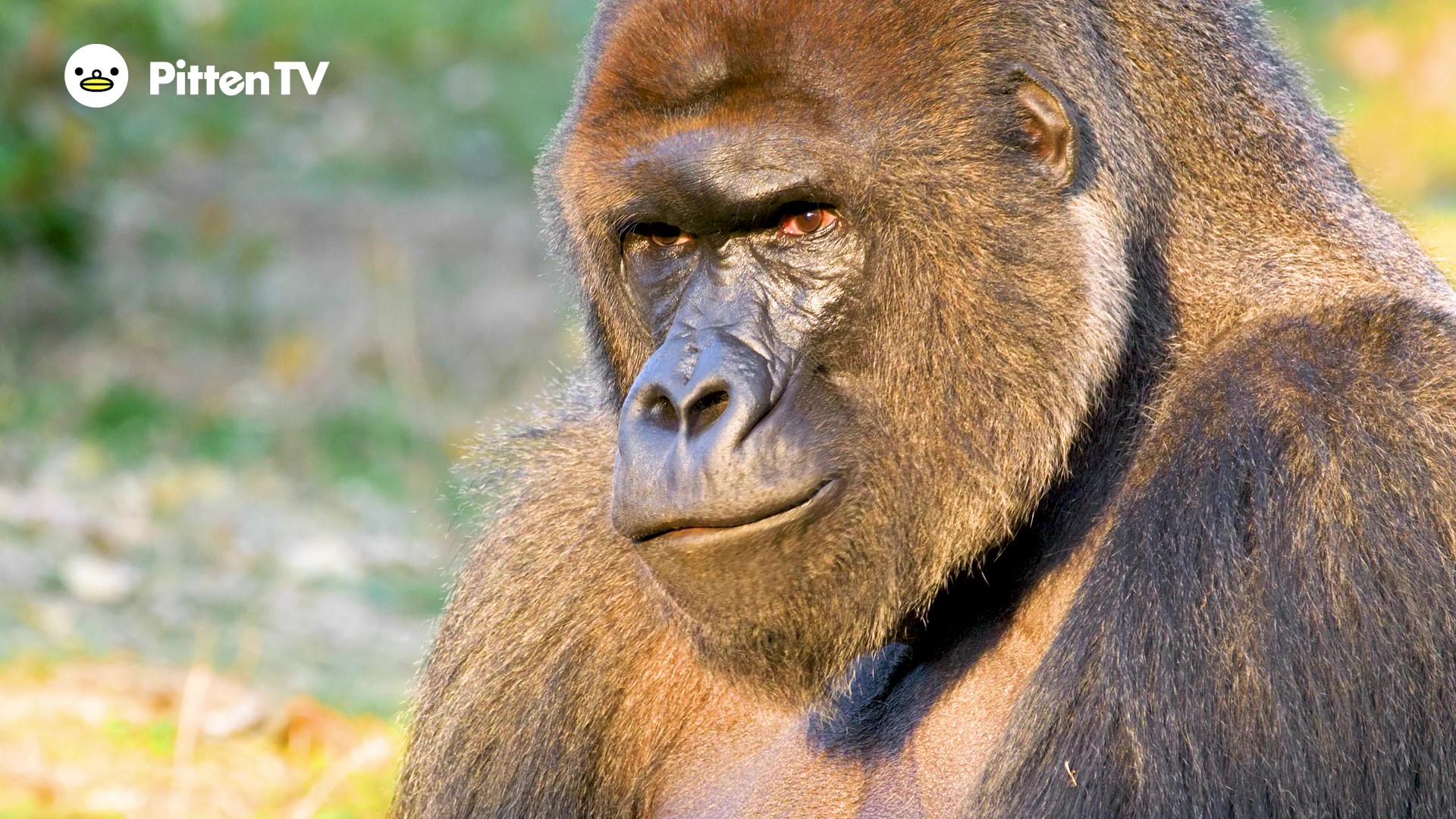
毎年9月24日は「世界ゴリラの日」です。この記念日は、霊長類学者であるダイアン・フォッシー氏が設立した国際ゴリラ財団によって2017年に制定されました。ゴリラの保全と、彼らの生息地である森林などの自然を守ることを目的としています。この日には、世界中の動物園や保護団体が、ゴリラの現状について関心を深め、保護活動への参加を呼びかけるための様々なイベントを実施します。
どんな動物?
ゴリラは、アフリカの熱帯雨林に生息する大型類人猿です。知能が高く、社会的な動物で、通常は1頭の成熟したオスと複数のメス、そして子どもたちからなる群れを形成して生活します。体格が大きく、特に成熟したオスは背中の毛が白くなることから「シルバーバック」と呼ばれます。草食を中心とした雑食で、植物の葉や茎、果実、時には昆虫なども食べます。野生のゴリラは、バナナを主食としているイメージがありますが、実際にはバナナはほとんど食べません。
Pitten ZOO:ゴリラを動画でみる
詳しい情報
「世界ゴリラの日」は、2017年にダイアン・フォッシー国際ゴリラ財団によって、設立50周年を記念して制定されました。この記念日は、絶滅の危機に瀕している野生のゴリラの保護と、彼らの生息地である森林を守ることを目的としています。
ゴリラの生息地は、森林伐採や開発による環境破壊、密猟、そしてエボラ出血熱などの感染症によって脅かされています。国際自然保護連合(IUCN)のレッドリストにおいて、ゴリラのすべての亜種が絶滅危惧種または近絶滅種に指定されています。特にヒガシゴリラの一部は「深刻な危機」に分類されており、その保護は喫緊の課題とされています。
この記念日には、日本を含む世界中の動物園が連携し、ゴリラの生態や現状、そして保全の重要性について来園者に伝えるためのイベントを企画しています。例えば、飼育員による特別ガイドや、ゴリラの生息地であるアフリカと私たちの生活との繋がりを考える企画などが行われます。その一環として、スマートフォンなどに含まれる希少金属の採掘がゴリラの生息地を破壊している事実を伝え、使用済みスマートフォンの回収を呼びかける活動も行われています。
また、ゴリラは群れで生活する動物ですが、日本の動物園では過去に単独か少数での飼育が主流だったため、繁殖が難しいという課題がありました。現在では、群れでの飼育やブリーディングローン(動物の貸し借り)を通じて、飼育下での繁殖を促進する取り組みが進められています。
「世界ゴリラの日」は、私たち一人ひとりがゴリラの現状について知り、日常生活の中でできる行動を考えるきっかけとなることを願って制定されました。
参照
・千葉市動物公園 世界ゴリラの日(World Gorilla Day) 2024
・東京ズーネット 「世界ゴリラの日」企画「9/24は運命の分かれ道! あなたが握るゴリラの未来」
・京都市動物園 世界ゴリラの日~World Gorilla Day~の開催
どんな動物?
ゴリラは、アフリカの熱帯雨林に生息する大型類人猿です。知能が高く、社会的な動物で、通常は1頭の成熟したオスと複数のメス、そして子どもたちからなる群れを形成して生活します。体格が大きく、特に成熟したオスは背中の毛が白くなることから「シルバーバック」と呼ばれます。草食を中心とした雑食で、植物の葉や茎、果実、時には昆虫なども食べます。野生のゴリラは、バナナを主食としているイメージがありますが、実際にはバナナはほとんど食べません。
Pitten ZOO:ゴリラを動画でみる
詳しい情報
「世界ゴリラの日」は、2017年にダイアン・フォッシー国際ゴリラ財団によって、設立50周年を記念して制定されました。この記念日は、絶滅の危機に瀕している野生のゴリラの保護と、彼らの生息地である森林を守ることを目的としています。
ゴリラの生息地は、森林伐採や開発による環境破壊、密猟、そしてエボラ出血熱などの感染症によって脅かされています。国際自然保護連合(IUCN)のレッドリストにおいて、ゴリラのすべての亜種が絶滅危惧種または近絶滅種に指定されています。特にヒガシゴリラの一部は「深刻な危機」に分類されており、その保護は喫緊の課題とされています。
この記念日には、日本を含む世界中の動物園が連携し、ゴリラの生態や現状、そして保全の重要性について来園者に伝えるためのイベントを企画しています。例えば、飼育員による特別ガイドや、ゴリラの生息地であるアフリカと私たちの生活との繋がりを考える企画などが行われます。その一環として、スマートフォンなどに含まれる希少金属の採掘がゴリラの生息地を破壊している事実を伝え、使用済みスマートフォンの回収を呼びかける活動も行われています。
また、ゴリラは群れで生活する動物ですが、日本の動物園では過去に単独か少数での飼育が主流だったため、繁殖が難しいという課題がありました。現在では、群れでの飼育やブリーディングローン(動物の貸し借り)を通じて、飼育下での繁殖を促進する取り組みが進められています。
「世界ゴリラの日」は、私たち一人ひとりがゴリラの現状について知り、日常生活の中でできる行動を考えるきっかけとなることを願って制定されました。
参照
・千葉市動物公園 世界ゴリラの日(World Gorilla Day) 2024
・東京ズーネット 「世界ゴリラの日」企画「9/24は運命の分かれ道! あなたが握るゴリラの未来」
・京都市動物園 世界ゴリラの日~World Gorilla Day~の開催
ENGLISH
September 24th is World Gorilla Day.
September 24th of each year is World Gorilla Day. This commemorative day was established in 2017 by the International Gorilla Foundation, founded by primatologist Dian Fossey. Its purpose is to conserve gorillas and protect their natural habitats, including forests. On this day, zoos and conservation organizations around the world hold various events to raise awareness of the current situation of gorillas and encourage participation in conservation efforts.
What kind of animal is it?
Gorillas are large apes that live in the African rainforest. They are highly intelligent and social animals, typically living in groups consisting of one mature male, several females, and their young. They are large, and mature males, in particular, are called "silverbacks" because of the white fur on their backs. They are omnivorous, primarily herbivorous, and also eat plant leaves, stems, fruits, and occasionally insects. While wild gorillas are often thought of as primarily eating bananas, in reality, they rarely eat bananas.
Pitten ZOO: Watch a Gorilla Video
More Information
World Gorilla Day was established in 2017 by the Dian Fossey Gorilla Foundation International to commemorate its 50th anniversary. This commemorative day aims to protect wild gorillas, which are on the brink of extinction, and to protect their forest habitats.
Gorilla habitats are threatened by environmental destruction caused by deforestation and development, poaching, and infectious diseases such as Ebola. All gorilla subspecies are listed as endangered or critically endangered on the International Union for Conservation of Nature (IUCN) Red List. Some eastern gorillas, in particular, are classified as "critically endangered," making their conservation an urgent priority.
On this day, zoos around the world, including Japan, collaborate to plan events to educate visitors about the ecology and current situation of gorillas, as well as the importance of conservation. These events include special guided tours by zookeepers and events that consider the connection between our lives and the gorillas' native Africa. As part of these events, zoos are also raising awareness of the damage caused by mining of rare metals found in smartphones and other devices, and encouraging the collection of used smartphones.
Gorillas are social animals, but in the past, Japanese zoos typically kept them alone or in small groups, making breeding difficult. Currently, efforts are underway to promote captive breeding through social housing and breeding loans.
World Gorilla Day was established with the hope that it will encourage each of us to learn about the current situation of gorillas and consider what we can do in our daily lives.
Reference
・Chiba City Zoo: World Gorilla Day 2024
・Tokyo Zoonet: "World Gorilla Day" Project: "September 24th is a Crossroads! The Future of Gorillas Is in Your Hands"
・Kyoto City Zoo: World Gorilla Day
What kind of animal is it?
Gorillas are large apes that live in the African rainforest. They are highly intelligent and social animals, typically living in groups consisting of one mature male, several females, and their young. They are large, and mature males, in particular, are called "silverbacks" because of the white fur on their backs. They are omnivorous, primarily herbivorous, and also eat plant leaves, stems, fruits, and occasionally insects. While wild gorillas are often thought of as primarily eating bananas, in reality, they rarely eat bananas.
Pitten ZOO: Watch a Gorilla Video
More Information
World Gorilla Day was established in 2017 by the Dian Fossey Gorilla Foundation International to commemorate its 50th anniversary. This commemorative day aims to protect wild gorillas, which are on the brink of extinction, and to protect their forest habitats.
Gorilla habitats are threatened by environmental destruction caused by deforestation and development, poaching, and infectious diseases such as Ebola. All gorilla subspecies are listed as endangered or critically endangered on the International Union for Conservation of Nature (IUCN) Red List. Some eastern gorillas, in particular, are classified as "critically endangered," making their conservation an urgent priority.
On this day, zoos around the world, including Japan, collaborate to plan events to educate visitors about the ecology and current situation of gorillas, as well as the importance of conservation. These events include special guided tours by zookeepers and events that consider the connection between our lives and the gorillas' native Africa. As part of these events, zoos are also raising awareness of the damage caused by mining of rare metals found in smartphones and other devices, and encouraging the collection of used smartphones.
Gorillas are social animals, but in the past, Japanese zoos typically kept them alone or in small groups, making breeding difficult. Currently, efforts are underway to promote captive breeding through social housing and breeding loans.
World Gorilla Day was established with the hope that it will encourage each of us to learn about the current situation of gorillas and consider what we can do in our daily lives.
Reference
・Chiba City Zoo: World Gorilla Day 2024
・Tokyo Zoonet: "World Gorilla Day" Project: "September 24th is a Crossroads! The Future of Gorillas Is in Your Hands"
・Kyoto City Zoo: World Gorilla Day
[ 2026.09.20 ] 【Pitten ZOO】9月22日は、「世界サイの日」です。
Last update : 2026.09.18

世界サイの日は毎年9月22日に祝われる国際的な記念日です。この日は、5種類のサイ(クロサイ、シロサイ、インドサイ、スマトラサイ、ジャワサイ)に対する認識を高めるために設けられました。主な目的は、サイが直面している脅威(主に密猟と生息地の喪失)について一般の人々に教育し、保護活動への支援を促すことです。
どんな動物?
サイは皮膚が分厚く、あらゆる動物の中でも最も硬いと言われ、肉食獣の爪や牙を容易には通しません。草食性で明方や夕方に食事を採り、昼間は木陰で休み、水場で水を飲みます。水浴びや泥浴びをして体温調節をします。泥浴びには虫よけ効果もあると考えられています。草食動物ですが、縄張り意識が強く、時には時速50kmで走って突進することもあります。
Pitten ZOO:サイを動画でみる
世界サイの日の設立の経緯
・1990年代初頭:アフリカ、特にジンバブエのクロサイの危機が認識され始める。
・2010年:サイの絶滅の危機があまり知られていないことが問題視される。この時点で世界のサイの個体数は約30,000頭まで減少していた。
・2010年:WWF南アフリカが、残存するサイを救うためにWorld Rhino Dayを発表。
2011年:Lisa Jane Campbell(ジンバブエのChishakwe Ranch)が、Rhishja Cota-Larsonにメールを送り、5種全てのサイを祝う日にしたいと提案。
2011年以降:Lisa JaneとRhishjaの2人の女性の尽力により、World Rhino Dayは国際的な成功を収め、世界的な現象となった。
現在:
NGO、動物園、保護団体、企業、個人など、世界中の多くの人々が参加する国際的な記念日として定着。
サイの生息状況
世界サイの日は、現存する5種のサイ(シロサイ、クロサイ、インドサイ、ジャワサイ、スマトラサイ)の保護を訴える目的で、2010年に世界自然保護基金(WWF)の南アフリカ委員会が提唱しました。この5種のサイは、すべて絶滅の危機に瀕しています。
サイの角は、骨ではなく、人間の髪の毛や爪と同じ成分であるケラチンからできています。一生伸び続け、1か月に約5mm伸びるという報告もあります。しかし、その角を目当てにした密猟がサイの個体数減少の大きな原因となっています。密猟に加え、生息地の破壊や気候変動などもサイにとって脅威となっています。
この記念日には、世界各地の動物園や保護団体が、来園者や社会に対して、サイが直面している危機的な状況を伝え、保護活動への理解と協力を呼びかけるための様々なイベントを実施しています。例えば、飼育員による特別ガイドや、サイに関するパネル展示、サイをモチーフにした工作体験などが行われます。これらの活動は、サイの現状を多くの人々に知ってもらう重要な機会となっています。
参照
・WWFジャパン「「サイ」の日に、知ってくだサイ」
https://www.wwf.or.jp/staffblog/news/5411.html
・公益財団法人 横浜市緑の協会「「世界サイの日」ライノデー2025」
https://www.hama-midorinokyokai.or.jp/zoo/kanazawa/details/post-2602.php
・動物園ウェブメディアZooPortal「サイ好きが伝えるサイの魅力」
https://zooportal.net/rhinos_image/
どんな動物?
サイは皮膚が分厚く、あらゆる動物の中でも最も硬いと言われ、肉食獣の爪や牙を容易には通しません。草食性で明方や夕方に食事を採り、昼間は木陰で休み、水場で水を飲みます。水浴びや泥浴びをして体温調節をします。泥浴びには虫よけ効果もあると考えられています。草食動物ですが、縄張り意識が強く、時には時速50kmで走って突進することもあります。
Pitten ZOO:サイを動画でみる
世界サイの日の設立の経緯
・1990年代初頭:アフリカ、特にジンバブエのクロサイの危機が認識され始める。
・2010年:サイの絶滅の危機があまり知られていないことが問題視される。この時点で世界のサイの個体数は約30,000頭まで減少していた。
・2010年:WWF南アフリカが、残存するサイを救うためにWorld Rhino Dayを発表。
2011年:Lisa Jane Campbell(ジンバブエのChishakwe Ranch)が、Rhishja Cota-Larsonにメールを送り、5種全てのサイを祝う日にしたいと提案。
2011年以降:Lisa JaneとRhishjaの2人の女性の尽力により、World Rhino Dayは国際的な成功を収め、世界的な現象となった。
現在:
NGO、動物園、保護団体、企業、個人など、世界中の多くの人々が参加する国際的な記念日として定着。
サイの生息状況
世界サイの日は、現存する5種のサイ(シロサイ、クロサイ、インドサイ、ジャワサイ、スマトラサイ)の保護を訴える目的で、2010年に世界自然保護基金(WWF)の南アフリカ委員会が提唱しました。この5種のサイは、すべて絶滅の危機に瀕しています。
サイの角は、骨ではなく、人間の髪の毛や爪と同じ成分であるケラチンからできています。一生伸び続け、1か月に約5mm伸びるという報告もあります。しかし、その角を目当てにした密猟がサイの個体数減少の大きな原因となっています。密猟に加え、生息地の破壊や気候変動などもサイにとって脅威となっています。
この記念日には、世界各地の動物園や保護団体が、来園者や社会に対して、サイが直面している危機的な状況を伝え、保護活動への理解と協力を呼びかけるための様々なイベントを実施しています。例えば、飼育員による特別ガイドや、サイに関するパネル展示、サイをモチーフにした工作体験などが行われます。これらの活動は、サイの現状を多くの人々に知ってもらう重要な機会となっています。
参照
・WWFジャパン「「サイ」の日に、知ってくだサイ」
https://www.wwf.or.jp/staffblog/news/5411.html
・公益財団法人 横浜市緑の協会「「世界サイの日」ライノデー2025」
https://www.hama-midorinokyokai.or.jp/zoo/kanazawa/details/post-2602.php
・動物園ウェブメディアZooPortal「サイ好きが伝えるサイの魅力」
https://zooportal.net/rhinos_image/
ENGLISH
September 22nd is "World Rhino Day"
World Rhino Day is an international anniversary celebrated every year on September 22nd. The day was established to raise awareness of the five species of rhinos (black rhino, white rhino, Indian rhino, Sumatran rhino, and Javan rhino). The main purpose is to educate the public about the threats facing rhinos (mainly poaching and habitat loss) and encourage support for conservation efforts.
What kind of animal is it?
Rhinos have thick skin, said to be the toughest of all animals, which makes it difficult for carnivores' claws and fangs to penetrate. They are herbivorous and eat at dawn and dusk, rest in the shade during the day, and drink water from watering holes. They regulate their body temperature by bathing in water and mud. Mud bathing is also thought to have an insect repellent effect.
Pitten ZOO: Watch a video of rhinos
How World Rhino Day was established
・Early 1990s: The crisis of the black rhino in Africa, especially Zimbabwe, began to be recognized.
・2010: The lack of awareness of the extinction crisis of rhinos became a problem. At this point, the world's rhino population had fallen to about 30,000.
・2010: WWF South Africa announced World Rhino Day to save the remaining rhinos.
2011: Lisa Jane Campbell (Chishakwe Ranch, Zimbabwe) sent an email to Rhishja Cota-Larson proposing that it be a day to celebrate all five rhino species.
2011 onwards: Thanks to the efforts of these two women, Lisa Jane and Rhishja, World Rhino Day has become an international success and a global phenomenon.
Today:
It is now an internationally recognised day with participation from many people around the world, including NGOs, zoos, conservation organisations, businesses and individuals.
What kind of animal is it?
Rhinos have thick skin, said to be the toughest of all animals, which makes it difficult for carnivores' claws and fangs to penetrate. They are herbivorous and eat at dawn and dusk, rest in the shade during the day, and drink water from watering holes. They regulate their body temperature by bathing in water and mud. Mud bathing is also thought to have an insect repellent effect.
Pitten ZOO: Watch a video of rhinos
How World Rhino Day was established
・Early 1990s: The crisis of the black rhino in Africa, especially Zimbabwe, began to be recognized.
・2010: The lack of awareness of the extinction crisis of rhinos became a problem. At this point, the world's rhino population had fallen to about 30,000.
・2010: WWF South Africa announced World Rhino Day to save the remaining rhinos.
2011: Lisa Jane Campbell (Chishakwe Ranch, Zimbabwe) sent an email to Rhishja Cota-Larson proposing that it be a day to celebrate all five rhino species.
2011 onwards: Thanks to the efforts of these two women, Lisa Jane and Rhishja, World Rhino Day has become an international success and a global phenomenon.
Today:
It is now an internationally recognised day with participation from many people around the world, including NGOs, zoos, conservation organisations, businesses and individuals.
[ 2026.09.17 ] 【Pitten ZOO】9月の第3土曜日は、国際レッサーパンダの日です。2026年9月19日
Last update : 2026.09.18

国際レッサーパンダの日(International Red Panda Day)は、レッサーパンダの保全活動を行う国際団体「レッドパンダネットワーク(Red Panda Network)」が、2010年に開始した記念日です。野生のレッサーパンダの現状や、彼らを取り巻く環境問題について広く知ってもらうことを目的としています。この日には、世界各地の動物園でレッサーパンダの生態に関する特別ガイドや、保全活動への募金などが実施されることがあります。
どんな動物?
レッサーパンダは、中国南西部からネパール、ミャンマーにかけての森林や竹林に生息する動物です。標高はおよそ 2,000〜4,000m の山岳地帯に多く見られます。体長は約50〜60cm、体重は3〜6kgほどで、赤褐色のふわふわとした毛と、太く長い尾、顔の白い模様が特徴です。木登りが得意で、鋭い爪と竹を掴むための「偽の親指」と呼ばれる突起を持っています。行動は主に 薄明薄暮性(夜明けと夕方に活発) で、日中は木の上で休んでいることが多く観察されます。
Pitten ZOO:レッサーパンダを動画でみる
詳しい情報
国際レッサーパンダの日が設けられた背景には、レッサーパンダの個体数減少という深刻な問題があります。生息地の破壊や分断、密猟などが主な原因です。これに対し、レッドパンダネットワークは、野生のレッサーパンダを守るための様々な活動を展開しています。
レッドパンダネットワークは、2007年に設立された非営利団体で、ネパールとアメリカに拠点を置いています。主な活動内容として、地域コミュニティと協力して「フォレストガーディアン(森林保護員)」を育成し、密猟パトロールや生態調査を行っています。また、地域住民が持続可能な生活を送れるよう、代替燃料の開発支援や竹林の管理指導なども行っています。
国際レッサーパンダの日は、こうした活動を広く知らせ、多くの人々に保全の必要性を訴えるために始まりました。この日を中心に、参加する動物園では特別イベントが開催され、来園者にレッサーパンダの現状を伝える機会が設けられています。例えば、飼育員による解説、映像上映、募金活動などが実施される場合があります。集められた寄付金は、レッドパンダネットワークの保全活動資金として役立てられています。
参照
・Red Panda Network 公式サイト
・National Today「International Red Panda Day」
・Wikipedia「Red Panda」
どんな動物?
レッサーパンダは、中国南西部からネパール、ミャンマーにかけての森林や竹林に生息する動物です。標高はおよそ 2,000〜4,000m の山岳地帯に多く見られます。体長は約50〜60cm、体重は3〜6kgほどで、赤褐色のふわふわとした毛と、太く長い尾、顔の白い模様が特徴です。木登りが得意で、鋭い爪と竹を掴むための「偽の親指」と呼ばれる突起を持っています。行動は主に 薄明薄暮性(夜明けと夕方に活発) で、日中は木の上で休んでいることが多く観察されます。
Pitten ZOO:レッサーパンダを動画でみる
詳しい情報
国際レッサーパンダの日が設けられた背景には、レッサーパンダの個体数減少という深刻な問題があります。生息地の破壊や分断、密猟などが主な原因です。これに対し、レッドパンダネットワークは、野生のレッサーパンダを守るための様々な活動を展開しています。
レッドパンダネットワークは、2007年に設立された非営利団体で、ネパールとアメリカに拠点を置いています。主な活動内容として、地域コミュニティと協力して「フォレストガーディアン(森林保護員)」を育成し、密猟パトロールや生態調査を行っています。また、地域住民が持続可能な生活を送れるよう、代替燃料の開発支援や竹林の管理指導なども行っています。
国際レッサーパンダの日は、こうした活動を広く知らせ、多くの人々に保全の必要性を訴えるために始まりました。この日を中心に、参加する動物園では特別イベントが開催され、来園者にレッサーパンダの現状を伝える機会が設けられています。例えば、飼育員による解説、映像上映、募金活動などが実施される場合があります。集められた寄付金は、レッドパンダネットワークの保全活動資金として役立てられています。
参照
・Red Panda Network 公式サイト
・National Today「International Red Panda Day」
・Wikipedia「Red Panda」
ENGLISH
The third Saturday in September is International Red Panda Day.
International Red Panda Day is a commemorative event established in 2010 by the Red Panda Network, an international organization dedicated to red panda conservation. Its purpose is to raise awareness of the current status of wild red pandas and the environmental issues they face. On this day, zoos around the world offer special guided tours on red panda ecology and fundraise for conservation efforts.
What kind of animal is it?
Red pandas live in forests and bamboo groves from southwestern China to Nepal and Myanmar. They are commonly found in mountainous areas at altitudes of approximately 2,000-4,000 meters. They measure approximately 50-60 cm in length and weigh 3-6 kg. They are characterized by their fluffy reddish-brown fur, long, thick tails, and white facial markings. They are skilled tree climbers and possess sharp claws and a "false thumb" for grasping bamboo. They are primarily crepuscular (active at dawn and dusk) and are often seen resting in trees during the day.
Pitten ZOO: Watch Red panda Videos
More Information
International Red Panda Day was established to celebrate the serious decline in red panda populations. Habitat destruction, fragmentation, and poaching are the primary causes. In response, the Red Panda Network is carrying out various activities to protect wild red pandas.
The Red Panda Network is a non-profit organization established in 2007 and based in Nepal and the United States. Its main activities include working with local communities to train "forest guardians," conducting poaching patrols, and ecological surveys. It also supports the development of alternative fuels and provides guidance on bamboo forest management to help local residents live sustainable lives.
International Red Panda Day was established to raise awareness of these activities and raise awareness of the need for conservation. Participating zoos hold special events around this day to educate visitors about the current status of red pandas. These events include zookeeper talks, video screenings, and fundraising activities. Donations raised help fund the Red Panda Network's conservation activities.
References
・Red Panda Network Official Website
・National Today "International Red Panda Day"
・Wikipedia "Red Panda"
What kind of animal is it?
Red pandas live in forests and bamboo groves from southwestern China to Nepal and Myanmar. They are commonly found in mountainous areas at altitudes of approximately 2,000-4,000 meters. They measure approximately 50-60 cm in length and weigh 3-6 kg. They are characterized by their fluffy reddish-brown fur, long, thick tails, and white facial markings. They are skilled tree climbers and possess sharp claws and a "false thumb" for grasping bamboo. They are primarily crepuscular (active at dawn and dusk) and are often seen resting in trees during the day.
Pitten ZOO: Watch Red panda Videos
More Information
International Red Panda Day was established to celebrate the serious decline in red panda populations. Habitat destruction, fragmentation, and poaching are the primary causes. In response, the Red Panda Network is carrying out various activities to protect wild red pandas.
The Red Panda Network is a non-profit organization established in 2007 and based in Nepal and the United States. Its main activities include working with local communities to train "forest guardians," conducting poaching patrols, and ecological surveys. It also supports the development of alternative fuels and provides guidance on bamboo forest management to help local residents live sustainable lives.
International Red Panda Day was established to raise awareness of these activities and raise awareness of the need for conservation. Participating zoos hold special events around this day to educate visitors about the current status of red pandas. These events include zookeeper talks, video screenings, and fundraising activities. Donations raised help fund the Red Panda Network's conservation activities.
References
・Red Panda Network Official Website
・National Today "International Red Panda Day"
・Wikipedia "Red Panda"
[ 2026.09.15 ] 【Pitten TRAVEL】9月16日は、メキシコの独立記念日です。
Last update : 2026.09.18
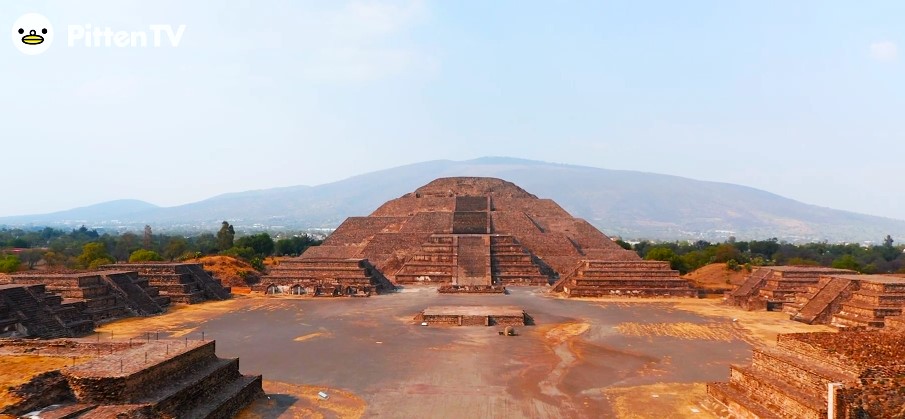
1810年9月16日、司祭ミゲル・イダルゴが、グアナフアト州ドローレスで独立を呼びかける演説を行い、スペインからの独立に向けた闘いが始まりました。この出来事が、メキシコ独立記念日の由来となっています。独立戦争は長期にわたり、1821年にメキシコがスペインからの独立を達成しました。この日が、メキシコ全土で祝われる最も重要な祝日のひとつとなっています。
どんな国?
メキシコは、北米大陸の南部に位置する国です。マヤ文明やアステカ文明といった古代文明の遺跡が多数残されており、多様な歴史と文化が息づいています。国民は陽気で家族や友人との絆を大切にする国民性として知られています。国土は広大で、北部の砂漠地帯から南部の熱帯雨林、美しいカリブ海のリゾート地まで、地域によって大きく異なる気候と景観を持っています。
Pitten TRAVEL:メキシコを動画でみる
詳しい情報
メキシコの独立記念日は、毎年9月16日です。独立戦争は1810年9月16日の早朝に始まったとされますが、祝賀行事は現在では前日の9月15日の夜から始まるのが慣習となっています。
この夜、メキシコ各地の主要な広場では「ドローレスの叫び(El Grito de Dolores)」と呼ばれる演説の再現式典が行われます。これは、独立戦争の口火を切ったミゲル・イダルゴ神父が、グアナフアト州ドローレス・イダルゴの教会の鐘を鳴らしながら人々に蜂起を呼びかけた出来事にちなむものと伝えられています。史実としては詳細に異説もありますが、この出来事はメキシコ独立の象徴とされています。
メキシコシティでは、ソカロ広場に面した国立宮殿のバルコニーから大統領が「ドローレスの叫び」を再現するのが伝統です。大統領は「¡Viva!」と独立の英雄たちの名や祖国への賛辞を叫び、そのたびに広場の群衆も声を合わせて「¡Viva!」と応じます。内容は年ごとに若干異なることもありますが、最後は必ず「¡Viva México!」を三度唱和するのが通例です。式典の後には盛大な花火が打ち上げられ、多くの都市では夜遅くまで祝祭が続きます。
翌9月16日には、メキシコシティの中心部で大規模な軍事パレード(Desfile Militar)が開催されます。例年、ソカロ広場を出発し、主要大通り(一般的にはレフォルマ通りなど)を行進する兵士、騎馬隊、車両などが披露されます。沿道には多くの市民が集まり、華やかな雰囲気に包まれます。
この時期、街全体がメキシコ国旗の色である緑・白・赤で彩られるのも特徴です。公共の建物や家庭、街路が装飾され、イベントによっては伝統衣装に身を包んだ人々も見られます。また、祝祭に合わせて特別な料理が用意されることもあります。とりわけ「チレス・エン・ノガーダ(Chiles en Nogada)」は、この時期を代表する料理として知られています。緑色の唐辛子に挽肉やフルーツを詰め、白いクルミソースをかけて赤いザクロの実を散らすもので、国旗の三色を表現しています。この料理は、独立戦争の英雄に捧げられた、あるいは独立を記念して修道女たちが考案したと伝えられていますが、正確な起源については諸説あります。
※作成:Gemini 2.5Flash / 検証:ChatGPT
参照
・メキシコ観光株式会社
https://www.otoa.com/news_detail.php?code=40484
・MEXI TOWN
https://www.mexi-town.com/post/diadelaindependencia
・Cultura Genial
https://www.culturagenial.com/es/grito-de-dolores/
どんな国?
メキシコは、北米大陸の南部に位置する国です。マヤ文明やアステカ文明といった古代文明の遺跡が多数残されており、多様な歴史と文化が息づいています。国民は陽気で家族や友人との絆を大切にする国民性として知られています。国土は広大で、北部の砂漠地帯から南部の熱帯雨林、美しいカリブ海のリゾート地まで、地域によって大きく異なる気候と景観を持っています。
Pitten TRAVEL:メキシコを動画でみる
詳しい情報
メキシコの独立記念日は、毎年9月16日です。独立戦争は1810年9月16日の早朝に始まったとされますが、祝賀行事は現在では前日の9月15日の夜から始まるのが慣習となっています。
この夜、メキシコ各地の主要な広場では「ドローレスの叫び(El Grito de Dolores)」と呼ばれる演説の再現式典が行われます。これは、独立戦争の口火を切ったミゲル・イダルゴ神父が、グアナフアト州ドローレス・イダルゴの教会の鐘を鳴らしながら人々に蜂起を呼びかけた出来事にちなむものと伝えられています。史実としては詳細に異説もありますが、この出来事はメキシコ独立の象徴とされています。
メキシコシティでは、ソカロ広場に面した国立宮殿のバルコニーから大統領が「ドローレスの叫び」を再現するのが伝統です。大統領は「¡Viva!」と独立の英雄たちの名や祖国への賛辞を叫び、そのたびに広場の群衆も声を合わせて「¡Viva!」と応じます。内容は年ごとに若干異なることもありますが、最後は必ず「¡Viva México!」を三度唱和するのが通例です。式典の後には盛大な花火が打ち上げられ、多くの都市では夜遅くまで祝祭が続きます。
翌9月16日には、メキシコシティの中心部で大規模な軍事パレード(Desfile Militar)が開催されます。例年、ソカロ広場を出発し、主要大通り(一般的にはレフォルマ通りなど)を行進する兵士、騎馬隊、車両などが披露されます。沿道には多くの市民が集まり、華やかな雰囲気に包まれます。
この時期、街全体がメキシコ国旗の色である緑・白・赤で彩られるのも特徴です。公共の建物や家庭、街路が装飾され、イベントによっては伝統衣装に身を包んだ人々も見られます。また、祝祭に合わせて特別な料理が用意されることもあります。とりわけ「チレス・エン・ノガーダ(Chiles en Nogada)」は、この時期を代表する料理として知られています。緑色の唐辛子に挽肉やフルーツを詰め、白いクルミソースをかけて赤いザクロの実を散らすもので、国旗の三色を表現しています。この料理は、独立戦争の英雄に捧げられた、あるいは独立を記念して修道女たちが考案したと伝えられていますが、正確な起源については諸説あります。
※作成:Gemini 2.5Flash / 検証:ChatGPT
参照
・メキシコ観光株式会社
https://www.otoa.com/news_detail.php?code=40484
・MEXI TOWN
https://www.mexi-town.com/post/diadelaindependencia
・Cultura Genial
https://www.culturagenial.com/es/grito-de-dolores/
ENGLISH
September 16th is Mexico's Independence Day.
On September 16, 1810, priest Miguel Hidalgo delivered a speech calling for independence in Dolores, Guanajuato, marking the beginning of the struggle for independence from Spain. This event is the origin of Mexican Independence Day. The War of Independence was long, and Mexico achieved independence from Spain in 1821. This day is one of the most important holidays celebrated throughout Mexico.
What kind of country is it?
Mexico is a country located in the southern part of North America. Home to numerous ruins from ancient civilizations such as the Maya and Aztec, the country is rich in diverse history and culture. The people are known for their cheerful nature and for valuing bonds with family and friends. The country is vast, with vastly different climates and landscapes, from the deserts of the north to the tropical rainforests of the south and beautiful Caribbean resorts.
Pitten TRAVEL: Watch Mexico on Video
More Information
Mexico celebrates Independence Day every year on September 16th. The War of Independence is said to have begun early on the morning of September 16th, 1810, but celebrations now traditionally begin the evening of September 15th.
On this night, re-enactments of the speech known as "El Grito de Dolores" (The Cry of Dolores) are held in major squares across Mexico. This event is said to commemorate the moment Father Miguel Hidalgo, who initiated the War of Independence, called on the people to rise up in revolt while ringing the church bells of Dolores Hidalgo, Guanajuato. While the historical details are disputed, this event is considered a symbol of Mexican independence.
In Mexico City, the president traditionally reenacts the "Cry of Dolores" from the balcony of the National Palace overlooking the Zócalo Square. The president shouts "¡Viva!", reciting the names of independence heroes and tributes to the country, with the crowd in the square responding with a unified "¡Viva!". While the details vary slightly from year to year, the parade always ends with a three-fold chant of "¡Viva México!". A spectacular fireworks display follows the ceremony, and in many cities, celebrations continue late into the night.
The following day, September 16th, a large-scale military parade (Desfile Militar) is held in the center of Mexico City. Every year, soldiers, cavalry, and vehicles march from the Zócalo Square down major thoroughfares (usually Paseo de la Reforma). Crowds of citizens gather along the roads, creating a festive atmosphere.
During this period, the entire city is decorated in the green, white, and red colors of the Mexican flag. Public buildings, homes, and streets are decorated, and depending on the event, people can be seen dressed in traditional costumes. Special dishes are also prepared to celebrate the occasion. One dish that is particularly representative of this time of year is "Chiles en Nogada." It consists of green chili peppers stuffed with minced meat and fruit, topped with a white walnut sauce and sprinkled with red pomegranates, representing the three colors of the national flag. The dish is said to have been created by nuns as a tribute to heroes of the War of Independence, or to commemorate independence, but there are various theories about its exact origins. *Created with Gemini 2.5 Flash / Tested with ChatGPT
References
・Mexico Tourism Co., Ltd.
https://www.otoa.com/news_detail.php?code=40484
・MEXI TOWN
https://www.mexi-town.com/post/diadelaindependencia
・Cultura Genial
https://www.culturagenial.com/es/grito-de-dolores/
What kind of country is it?
Mexico is a country located in the southern part of North America. Home to numerous ruins from ancient civilizations such as the Maya and Aztec, the country is rich in diverse history and culture. The people are known for their cheerful nature and for valuing bonds with family and friends. The country is vast, with vastly different climates and landscapes, from the deserts of the north to the tropical rainforests of the south and beautiful Caribbean resorts.
Pitten TRAVEL: Watch Mexico on Video
More Information
Mexico celebrates Independence Day every year on September 16th. The War of Independence is said to have begun early on the morning of September 16th, 1810, but celebrations now traditionally begin the evening of September 15th.
On this night, re-enactments of the speech known as "El Grito de Dolores" (The Cry of Dolores) are held in major squares across Mexico. This event is said to commemorate the moment Father Miguel Hidalgo, who initiated the War of Independence, called on the people to rise up in revolt while ringing the church bells of Dolores Hidalgo, Guanajuato. While the historical details are disputed, this event is considered a symbol of Mexican independence.
In Mexico City, the president traditionally reenacts the "Cry of Dolores" from the balcony of the National Palace overlooking the Zócalo Square. The president shouts "¡Viva!", reciting the names of independence heroes and tributes to the country, with the crowd in the square responding with a unified "¡Viva!". While the details vary slightly from year to year, the parade always ends with a three-fold chant of "¡Viva México!". A spectacular fireworks display follows the ceremony, and in many cities, celebrations continue late into the night.
The following day, September 16th, a large-scale military parade (Desfile Militar) is held in the center of Mexico City. Every year, soldiers, cavalry, and vehicles march from the Zócalo Square down major thoroughfares (usually Paseo de la Reforma). Crowds of citizens gather along the roads, creating a festive atmosphere.
During this period, the entire city is decorated in the green, white, and red colors of the Mexican flag. Public buildings, homes, and streets are decorated, and depending on the event, people can be seen dressed in traditional costumes. Special dishes are also prepared to celebrate the occasion. One dish that is particularly representative of this time of year is "Chiles en Nogada." It consists of green chili peppers stuffed with minced meat and fruit, topped with a white walnut sauce and sprinkled with red pomegranates, representing the three colors of the national flag. The dish is said to have been created by nuns as a tribute to heroes of the War of Independence, or to commemorate independence, but there are various theories about its exact origins. *Created with Gemini 2.5 Flash / Tested with ChatGPT
References
・Mexico Tourism Co., Ltd.
https://www.otoa.com/news_detail.php?code=40484
・MEXI TOWN
https://www.mexi-town.com/post/diadelaindependencia
・Cultura Genial
https://www.culturagenial.com/es/grito-de-dolores/
[ 2026.09.02 ] 【Pitten TRAVEL】9月9日は、タジキスタンの独立記念日です。
Last update : 2026.08.31

タジキスタン共和国の独立記念日は9月9日に祝われます。この日は、1991年にソビエト連邦から独立を宣言した日を記念しています。
タジキスタンの独立の経緯は、1991年のソビエト連邦の崩壊に伴うものでした。タジキスタンは、ソビエト社会主義共和国連邦の一部として存在していましたが、1991年に独立を宣言し、独立国家共同体(CIS)に加盟しました。
どんな国?
タジキスタン共和国は、中央アジアに位置する人口約1,000万人の内陸国で、北にキルギス、西にウズベキスタン、東に中国、南にアフガニスタンと国境を接しています。国土の大部分は高地で、特に「パミール高原」と呼ばれる地域があり、平均高度は約3,000メートルで、世界で最も標高の高い国とされています。
Pitten TRAVEL:タジキスタンを動画でみる
より詳しい情報
タジキスタンの独立は、ソビエト連邦のペレストロイカ政策と崩壊の過程で実現しました。1991年8月のモスクワでのクーデター未遂事件が失敗に終わると、ソビエト連邦を構成する共和国は相次いで独立を宣言しました。タジク・ソビエト社会主義共和国もこの動きに続き、同年9月9日に独立を宣言しました。
しかし、独立後のタジキスタンは、政治的・民族的な対立から内戦へと突入します。1992年から1997年にかけて続いたこの内戦は、数万人の犠牲者を出し、国の発展を大きく阻害しました。この内戦終結後、新たに政権が確立され、タジキスタンは復興への道を歩み始めます。独立記念日は、この困難な時代を乗り越え、国家としてのアイデンティティを確立した歴史を記憶し、未来への展望を祝う日となっています。
9月9日の独立記念日には、首都ドゥシャンベをはじめ、国内各地で祝賀行事が開催されます。軍事パレード、民族音楽や舞踊のパフォーマンス、花火大会などが行われ、多くの国民が参加します。特に、ドゥシャンベでは大規模な式典が開催され、大統領による演説が行われるのが通例です。この日は国の祝日として定められており、国民は家族や友人と集まり、共に独立の喜びを分かち合います。
タジキスタンでは、独立記念日だけでなく、ナウルーズ(春分の日)や憲法記念日など、他にも多くの重要な祝日が定められています。これらの祝日は、タジキスタンの文化や歴史、そして国民のアイデンティティを形成する上で重要な役割を果たしています。独立記念日は、その中でも特に、国家としての主権と未来を象徴する重要な日として位置づけられています。
参考サイト
・外務省 - タジキスタン共和国基礎データ
・駐日タジキスタン共和国大使館 - 観光
・Wikipedia - タジキスタン
タジキスタンの独立の経緯は、1991年のソビエト連邦の崩壊に伴うものでした。タジキスタンは、ソビエト社会主義共和国連邦の一部として存在していましたが、1991年に独立を宣言し、独立国家共同体(CIS)に加盟しました。
どんな国?
タジキスタン共和国は、中央アジアに位置する人口約1,000万人の内陸国で、北にキルギス、西にウズベキスタン、東に中国、南にアフガニスタンと国境を接しています。国土の大部分は高地で、特に「パミール高原」と呼ばれる地域があり、平均高度は約3,000メートルで、世界で最も標高の高い国とされています。
Pitten TRAVEL:タジキスタンを動画でみる
より詳しい情報
タジキスタンの独立は、ソビエト連邦のペレストロイカ政策と崩壊の過程で実現しました。1991年8月のモスクワでのクーデター未遂事件が失敗に終わると、ソビエト連邦を構成する共和国は相次いで独立を宣言しました。タジク・ソビエト社会主義共和国もこの動きに続き、同年9月9日に独立を宣言しました。
しかし、独立後のタジキスタンは、政治的・民族的な対立から内戦へと突入します。1992年から1997年にかけて続いたこの内戦は、数万人の犠牲者を出し、国の発展を大きく阻害しました。この内戦終結後、新たに政権が確立され、タジキスタンは復興への道を歩み始めます。独立記念日は、この困難な時代を乗り越え、国家としてのアイデンティティを確立した歴史を記憶し、未来への展望を祝う日となっています。
9月9日の独立記念日には、首都ドゥシャンベをはじめ、国内各地で祝賀行事が開催されます。軍事パレード、民族音楽や舞踊のパフォーマンス、花火大会などが行われ、多くの国民が参加します。特に、ドゥシャンベでは大規模な式典が開催され、大統領による演説が行われるのが通例です。この日は国の祝日として定められており、国民は家族や友人と集まり、共に独立の喜びを分かち合います。
タジキスタンでは、独立記念日だけでなく、ナウルーズ(春分の日)や憲法記念日など、他にも多くの重要な祝日が定められています。これらの祝日は、タジキスタンの文化や歴史、そして国民のアイデンティティを形成する上で重要な役割を果たしています。独立記念日は、その中でも特に、国家としての主権と未来を象徴する重要な日として位置づけられています。
参考サイト
・外務省 - タジキスタン共和国基礎データ
・駐日タジキスタン共和国大使館 - 観光
・Wikipedia - タジキスタン
ENGLISH
September 9th is Tajikistan's Independence Day.
The Independence Day of the Republic of Tajikistan is celebrated on September 9. This day commemorates the day the country declared independence from the Soviet Union in 1991.
The history of Tajikistan's independence was due to the collapse of the Soviet Union in 1991. Tajikistan existed as part of the Union of Soviet Socialist Republics, but declared its independence in 1991 and joined the Commonwealth of Independent States (CIS).
What kind of country is it?
The Republic of Tajikistan is a landlocked country with a population of about 10 million people located in Central Asia, bordering Kyrgyzstan to the north, Uzbekistan to the west, China to the east, and Afghanistan to the south. Most of the country is highland, especially the area known as the "Pamir Plateau," which has an average altitude of about 3,000 meters and is considered the highest country in the world.
Pitten TRAVEL: Watch Tajikistan on video
More Information
Tajikistan's independence was achieved during the Soviet Union's perestroika policy and collapse. Following the failed coup attempt in Moscow in August 1991, the constituent republics of the Soviet Union declared independence one after another. The Tajik Soviet Socialist Republic followed suit, declaring its independence on September 9 of the same year.
However, after independence, Tajikistan plunged into civil war due to political and ethnic conflict. This civil war, which lasted from 1992 to 1997, claimed tens of thousands of lives and significantly hindered the country's development. After the war ended, a new government was established and Tajikistan began its path to recovery. Independence Day commemorates the country's history of overcoming these difficult times and establishing its national identity, while also celebrating its outlook for the future.
September 9th marks Independence Day, with celebrations held throughout the country, including in the capital, Dushanbe. Many citizens participate in military parades, folk music and dance performances, fireworks displays, and other events. Large-scale ceremonies are held in Dushanbe, and the president usually delivers a speech. This day is designated a national holiday, where citizens gather with family and friends to celebrate independence.
In addition to Independence Day, Tajikistan celebrates many other important holidays, including Nowruz (the Vernal Equinox) and Constitution Day. These holidays play an important role in shaping Tajikistan's culture, history, and national identity. Independence Day, in particular, is considered an important day symbolizing the country's sovereignty and future.
Reference Sites
・Ministry of Foreign Affairs - Basic Information on the Republic of Tajikistan
・Embassy of the Republic of Tajikistan in Japan - Tourism
・Wikipedia - Tajikistan
The history of Tajikistan's independence was due to the collapse of the Soviet Union in 1991. Tajikistan existed as part of the Union of Soviet Socialist Republics, but declared its independence in 1991 and joined the Commonwealth of Independent States (CIS).
What kind of country is it?
The Republic of Tajikistan is a landlocked country with a population of about 10 million people located in Central Asia, bordering Kyrgyzstan to the north, Uzbekistan to the west, China to the east, and Afghanistan to the south. Most of the country is highland, especially the area known as the "Pamir Plateau," which has an average altitude of about 3,000 meters and is considered the highest country in the world.
Pitten TRAVEL: Watch Tajikistan on video
More Information
Tajikistan's independence was achieved during the Soviet Union's perestroika policy and collapse. Following the failed coup attempt in Moscow in August 1991, the constituent republics of the Soviet Union declared independence one after another. The Tajik Soviet Socialist Republic followed suit, declaring its independence on September 9 of the same year.
However, after independence, Tajikistan plunged into civil war due to political and ethnic conflict. This civil war, which lasted from 1992 to 1997, claimed tens of thousands of lives and significantly hindered the country's development. After the war ended, a new government was established and Tajikistan began its path to recovery. Independence Day commemorates the country's history of overcoming these difficult times and establishing its national identity, while also celebrating its outlook for the future.
September 9th marks Independence Day, with celebrations held throughout the country, including in the capital, Dushanbe. Many citizens participate in military parades, folk music and dance performances, fireworks displays, and other events. Large-scale ceremonies are held in Dushanbe, and the president usually delivers a speech. This day is designated a national holiday, where citizens gather with family and friends to celebrate independence.
In addition to Independence Day, Tajikistan celebrates many other important holidays, including Nowruz (the Vernal Equinox) and Constitution Day. These holidays play an important role in shaping Tajikistan's culture, history, and national identity. Independence Day, in particular, is considered an important day symbolizing the country's sovereignty and future.
Reference Sites
・Ministry of Foreign Affairs - Basic Information on the Republic of Tajikistan
・Embassy of the Republic of Tajikistan in Japan - Tourism
・Wikipedia - Tajikistan
[ 2026.09.09 ] 【Pitten ZOO】9月12日は、世界イルカの日です。
Last update : 2026.09.18

※この記事は事実を記載したものであり、暴力的な行為や過激な活動を支持するものではありません。
世界イルカの日は、暴力的環境保護団体「シーシェパード」が2022年に制定した記念日です。この記念日は、2021年9月12日にフェロー諸島で多数のイルカが狩猟された出来事に端を発しています。この出来事を受け、イルカの保護と、イルカが直面する脅威についての意識を高めることを目的としています。
どんな動物?
イルカは、高い知能を持つ哺乳類であり、コミュニケーション能力に優れています。彼らは複雑な社会構造を持ち、群れで行動することが知られています。遊泳速度は時速50キロメートルを超えることもあり、非常に優れた運動能力を持っています。その流線型の体は水中での生活に適しており、エコロケーションと呼ばれる超音波を発して周囲の状況を把握します。
Pitten ZOO:イルカを動画でみる
シーシェパード
暴力的環境保護活動の歴史の中で、最も古いのは「Greenpeace」と言われています。シーシェパードは、「Greenpeace」の元メンバーだったポール・ワトソン氏が、「消極的すぎる」と批判して離脱して設立した団体なので、当然、より強硬な暴力を用います。この団体は、国際的に暴力的手法を用いた抗議活動や違法行為で知られ、その暴力的活動の効果は科学的に検証可能なものの、「功績」については明確な裏付けが乏しいのが実情です。
日本のイルカの生息状況
1.日本環境省の「海洋生物レッドリスト」や「哺乳類レッドリスト」において、イルカ個別種が絶滅危惧種として明示されている資料はありません。
2.環境省のレッドリストでは哺乳類全体(42種)に対して評価が行われていますが、イルカを明記した評価リストは公開されていません
3.IUCNによる国際的評価(ステータス)
寄付サイトにはご注意ください
シーシェパードに代表される暴力的環境保護団体は、自らの活動を美化して宣伝し、さも効果があったかのようにプロパガンダして寄付を募っている場合が多くあります。しかし定量的な実績を提示していないことがほとんどです。動物愛護運動や環境保護活動だけでなく、寄付や募金をする際は、その運営団体情報の素性を良く調べ、情報の真偽やサイトの安全性を十分に確認してください。
世界イルカの日は、暴力的環境保護団体「シーシェパード」が2022年に制定した記念日です。この記念日は、2021年9月12日にフェロー諸島で多数のイルカが狩猟された出来事に端を発しています。この出来事を受け、イルカの保護と、イルカが直面する脅威についての意識を高めることを目的としています。
どんな動物?
イルカは、高い知能を持つ哺乳類であり、コミュニケーション能力に優れています。彼らは複雑な社会構造を持ち、群れで行動することが知られています。遊泳速度は時速50キロメートルを超えることもあり、非常に優れた運動能力を持っています。その流線型の体は水中での生活に適しており、エコロケーションと呼ばれる超音波を発して周囲の状況を把握します。
Pitten ZOO:イルカを動画でみる
シーシェパード
暴力的環境保護活動の歴史の中で、最も古いのは「Greenpeace」と言われています。シーシェパードは、「Greenpeace」の元メンバーだったポール・ワトソン氏が、「消極的すぎる」と批判して離脱して設立した団体なので、当然、より強硬な暴力を用います。この団体は、国際的に暴力的手法を用いた抗議活動や違法行為で知られ、その暴力的活動の効果は科学的に検証可能なものの、「功績」については明確な裏付けが乏しいのが実情です。
日本のイルカの生息状況
1.日本環境省の「海洋生物レッドリスト」や「哺乳類レッドリスト」において、イルカ個別種が絶滅危惧種として明示されている資料はありません。
2.環境省のレッドリストでは哺乳類全体(42種)に対して評価が行われていますが、イルカを明記した評価リストは公開されていません
3.IUCNによる国際的評価(ステータス)
| 種名(日本語) | 学名(英語) | IUCNステータス |
|---|---|---|
| サラワクイルカ | Lagenodelphis hosei | Least Concern(軽度懸念)(国立科学博物館) |
| マイルカ(カマイルカ) | Delphinus delphis | Least Concern(国立科学博物館) |
| ハンドウイルカ | Tursiops truncatus | Least Concern(国立科学博物館) |
| インド太平洋ハンプバックイルカ | Sousa chinensis | Near Threatened(準絶滅危惧)(国立科学博物館) |
寄付サイトにはご注意ください
シーシェパードに代表される暴力的環境保護団体は、自らの活動を美化して宣伝し、さも効果があったかのようにプロパガンダして寄付を募っている場合が多くあります。しかし定量的な実績を提示していないことがほとんどです。動物愛護運動や環境保護活動だけでなく、寄付や募金をする際は、その運営団体情報の素性を良く調べ、情報の真偽やサイトの安全性を十分に確認してください。
ENGLISH
September 12th is World Dolphin Day
Anniversaries are, in principle, something anyone can claim. This article states facts and does not support violent actions or extreme activities.
World Dolphin Day is a commemorative day established by the violent environmental organization "Sea Shepherd" in 2022. This day originated from the event on September 12, 2021, when a large number of dolphins were hunted in the Faroe Islands. The purpose of this day is to raise awareness of dolphin protection and the threats dolphins face.
What kind of animal?
Dolphins are highly intelligent mammals with excellent communication skills. They have complex social structures and are known to act in groups. Their swimming speed can exceed 50 kilometers per hour, showcasing remarkable physical abilities. Their streamlined bodies are adapted for life in water, and they use echolocation, emitting ultrasonic sounds to understand their surroundings.
Pitten ZOO: Watch dolphins in video
Sea Shepherd
Among the history of violent environmental activism, the oldest is said to be "Greenpeace." Sea Shepherd was founded by Paul Watson, a former member of Greenpeace who criticized the organization for being "too passive" and left to establish this group. Naturally, it employs more aggressive and violent tactics. The organization is internationally known for protests and illegal activities using violent methods. While the effects of these violent actions can be scientifically verified, clear evidence of their "achievements" is lacking.
Situation of dolphins in Japan
- In the Ministry of the Environment's "Marine Life Red List" and "Mammal Red List," there are no materials indicating individual dolphin species as endangered.
- The Ministry's Red List evaluates all mammals (42 species), but a list specifically mentioning dolphins has not been published.
- International evaluation (status) by IUCN:
Japanese Name Scientific Name IUCN Status Sarawak Dolphin Lagenodelphis hosei Least Concern Common Dolphin (Short-beaked) Delphinus delphis Least Concern Bottlenose Dolphin Tursiops truncatus Least Concern Indo-Pacific Humpback Dolphin Sousa chinensis Near Threatened
Be careful with donation sites
Violent environmental organizations advertise their extreme actions as achievements and solicit donations. When donating, please carefully check the authenticity of the information and the safety of the website.
[ 2026.08.15 ] 【Pitten TRAVEL】8月17日は、インドネシア共和国独立記念日です。
Last update : 2026.08.18

インドネシア共和国独立記念日は、1945年8月17日にスカルノとハッタが独立を宣言したことを記念する日です。オランダによる300年以上の植民地支配と、第二次世界大戦中の日本軍政を経て、日本の降伏後に独立宣言が行われました。しかし、旧宗主国オランダは再植民地化を試み、その後の4年間に及ぶ独立戦争を経て、1949年12月に正式に独立が承認されました。この日は、インドネシアの自由と国家の誇りを象徴する重要な日として祝われています。
どんな国?
インドネシアは、世界最大の群島国家であり、1万7千以上の島々で構成されています。多民族・多文化国家で、約500の民族と500以上の言語が存在します。公用語はインドネシア語ですが、各地方では独自の言語や方言が話されています。国民の約9割がイスラム教徒ですが、キリスト教やヒンドゥー教など多様な宗教が共存しています。世界第4位の人口を誇り、平均年齢も若く、近年は経済成長が著しい国です。
Pitten TRABEL:インドネシアを動画でみる
より詳しい情報
インドネシア共和国独立記念日は、インドネシア語で「ハリ・ケメルデカーン(Hari Kemerdekaan)」と呼ばれ、毎年8月17日に盛大に祝われます。この日は国民の祝日であり、国全体が赤と白の国旗の色に彩られます。
独立記念日を祝う行事の中心となるのは、首都ジャカルタのメルデカ宮殿で行われる国旗掲揚式典です。大統領と副大統領が参加するこの厳粛な式典は、テレビで全国に生中継され、多くの国民がその模様を見守ります。式典では、インドネシアの独立に尽力した英雄たちへの敬意が払われ、未来の世代へ独立の精神を継承する意味合いも込められています。
また、各地域やコミュニティでは、パレードや祭り、そして伝統的なゲーム大会が開催され、活気に満ちた祝賀ムードに包まれます。伝統的なゲームとして人気があるのは、油を塗った竹竿を登る「パンジャット・ピンナン」や、袋に入ってジャンプしながら進む「バパク・カロン」などがあり、老若男女が参加して盛り上がります。これらの競技は、独立戦争の苦難を乗り越えた団結と協調の精神を象徴しているとも言われています。
家や街路、商店なども、国旗や赤と白の飾り付けで彩られ、国全体が一体となって独立を祝います。地域によっては、伝統舞踊や音楽のパフォーマンス、そして地域の特色を活かしたカーニバルが開催され、多様な文化が披露されます。独立記念日は、単なる歴史的な日を祝うだけでなく、インドネシアの多様性を尊重し、国民の誇りと団結を再認識する大切な機会となっています。
参照
インドネシア総合研究所:【コラム】アフターコロナにおけるインドネシアの独立記念日
https://www.indonesiasoken.com/news/indonesian-independence-day-in-after-corona/
note:8月17日はインドネシアの独立記念日|ウダマコト
https://note.com/maegaichi/n/n6a6f093b3c53
VOI:1945年8月17日をインドネシア独立記念日とする決定の歴史
https://voi.id/ja/memory/408242
どんな国?
インドネシアは、世界最大の群島国家であり、1万7千以上の島々で構成されています。多民族・多文化国家で、約500の民族と500以上の言語が存在します。公用語はインドネシア語ですが、各地方では独自の言語や方言が話されています。国民の約9割がイスラム教徒ですが、キリスト教やヒンドゥー教など多様な宗教が共存しています。世界第4位の人口を誇り、平均年齢も若く、近年は経済成長が著しい国です。
Pitten TRABEL:インドネシアを動画でみる
より詳しい情報
インドネシア共和国独立記念日は、インドネシア語で「ハリ・ケメルデカーン(Hari Kemerdekaan)」と呼ばれ、毎年8月17日に盛大に祝われます。この日は国民の祝日であり、国全体が赤と白の国旗の色に彩られます。
独立記念日を祝う行事の中心となるのは、首都ジャカルタのメルデカ宮殿で行われる国旗掲揚式典です。大統領と副大統領が参加するこの厳粛な式典は、テレビで全国に生中継され、多くの国民がその模様を見守ります。式典では、インドネシアの独立に尽力した英雄たちへの敬意が払われ、未来の世代へ独立の精神を継承する意味合いも込められています。
また、各地域やコミュニティでは、パレードや祭り、そして伝統的なゲーム大会が開催され、活気に満ちた祝賀ムードに包まれます。伝統的なゲームとして人気があるのは、油を塗った竹竿を登る「パンジャット・ピンナン」や、袋に入ってジャンプしながら進む「バパク・カロン」などがあり、老若男女が参加して盛り上がります。これらの競技は、独立戦争の苦難を乗り越えた団結と協調の精神を象徴しているとも言われています。
家や街路、商店なども、国旗や赤と白の飾り付けで彩られ、国全体が一体となって独立を祝います。地域によっては、伝統舞踊や音楽のパフォーマンス、そして地域の特色を活かしたカーニバルが開催され、多様な文化が披露されます。独立記念日は、単なる歴史的な日を祝うだけでなく、インドネシアの多様性を尊重し、国民の誇りと団結を再認識する大切な機会となっています。
参照
インドネシア総合研究所:【コラム】アフターコロナにおけるインドネシアの独立記念日
https://www.indonesiasoken.com/news/indonesian-independence-day-in-after-corona/
note:8月17日はインドネシアの独立記念日|ウダマコト
https://note.com/maegaichi/n/n6a6f093b3c53
VOI:1945年8月17日をインドネシア独立記念日とする決定の歴史
https://voi.id/ja/memory/408242
ENGLISH
August 17 is Indonesian Independence Day.
Indonesian Independence Day marks the declaration of independence made by Sukarno and Hatta on August 17, 1945. It commemorates the moment when Indonesia proclaimed its sovereignty after more than 300 years of Dutch colonial rule and the Japanese military occupation during World War II. Following Japan’s surrender, the declaration was made—but the former colonial power, the Netherlands, attempted to reassert control. After four years of armed struggle in the Indonesian National Revolution, full independence was officially recognized in December 1949. Today, the day stands as a powerful symbol of Indonesia’s freedom and national pride.
What kind of country is Indonesia?
Indonesia is the world’s largest archipelagic nation, made up of over 17,000 islands. It is a multi-ethnic, multicultural country home to around 500 ethnic groups and more than 500 languages. While the official language is Indonesian, local languages and dialects are widely spoken. About 90% of the population is Muslim, but Christianity, Hinduism, and other religions also coexist. Indonesia has the world’s fourth-largest population, with a relatively young demographic, and in recent years its economy has been experiencing significant growth.
Pitten TRABEL: Watch Indonesia on video
More details
In Indonesian, Independence Day is called Hari Kemerdekaan. It is celebrated annually on August 17 with great enthusiasm. It is a national holiday, and the entire country is decorated in red and white, the colors of the national flag.
At the heart of the celebrations is the flag-raising ceremony at the Merdeka Palace in Jakarta, attended by the President and Vice President. This solemn event is broadcast live on national television, with millions of Indonesians watching. The ceremony honors the heroes who fought for independence and serves as a reminder to pass the spirit of freedom on to future generations.
Across the country, local communities hold parades, festivals, and traditional games that create a lively and festive atmosphere. Popular traditional games include Panjat Pinang, in which participants climb greased bamboo poles to claim prizes, and Balap Karung, a sack race where contestants hop to the finish line. These activities are said to symbolize unity and cooperation, values that helped the nation overcome the hardships of the independence struggle.
Homes, streets, and shops are decorated with flags and red-and-white ornaments, as the whole nation comes together to celebrate. In some regions, traditional dance and music performances are held, along with carnivals showcasing local culture. Independence Day is more than just a commemoration of a historic event—it is a time to embrace Indonesia’s diversity, reaffirm national pride, and strengthen unity.
References
Indonesian Institute of Comprehensive Studies: Column: Indonesia’s Independence Day in the Post-COVID Era
note: August 17 is Indonesia’s Independence Day | Uda Makoto
VOI: The History of August 17, 1945 Becoming Indonesia’s Independence Day
What kind of country is Indonesia?
Indonesia is the world’s largest archipelagic nation, made up of over 17,000 islands. It is a multi-ethnic, multicultural country home to around 500 ethnic groups and more than 500 languages. While the official language is Indonesian, local languages and dialects are widely spoken. About 90% of the population is Muslim, but Christianity, Hinduism, and other religions also coexist. Indonesia has the world’s fourth-largest population, with a relatively young demographic, and in recent years its economy has been experiencing significant growth.
Pitten TRABEL: Watch Indonesia on video
More details
In Indonesian, Independence Day is called Hari Kemerdekaan. It is celebrated annually on August 17 with great enthusiasm. It is a national holiday, and the entire country is decorated in red and white, the colors of the national flag.
At the heart of the celebrations is the flag-raising ceremony at the Merdeka Palace in Jakarta, attended by the President and Vice President. This solemn event is broadcast live on national television, with millions of Indonesians watching. The ceremony honors the heroes who fought for independence and serves as a reminder to pass the spirit of freedom on to future generations.
Across the country, local communities hold parades, festivals, and traditional games that create a lively and festive atmosphere. Popular traditional games include Panjat Pinang, in which participants climb greased bamboo poles to claim prizes, and Balap Karung, a sack race where contestants hop to the finish line. These activities are said to symbolize unity and cooperation, values that helped the nation overcome the hardships of the independence struggle.
Homes, streets, and shops are decorated with flags and red-and-white ornaments, as the whole nation comes together to celebrate. In some regions, traditional dance and music performances are held, along with carnivals showcasing local culture. Independence Day is more than just a commemoration of a historic event—it is a time to embrace Indonesia’s diversity, reaffirm national pride, and strengthen unity.
References
Indonesian Institute of Comprehensive Studies: Column: Indonesia’s Independence Day in the Post-COVID Era
note: August 17 is Indonesia’s Independence Day | Uda Makoto
VOI: The History of August 17, 1945 Becoming Indonesia’s Independence Day
[ 2026.08.09 ] 【Pitten TRAVEL】8月9日は、シンガポールの建国記念日(ナショナル・デー)です。
Last update : 2026.07.28
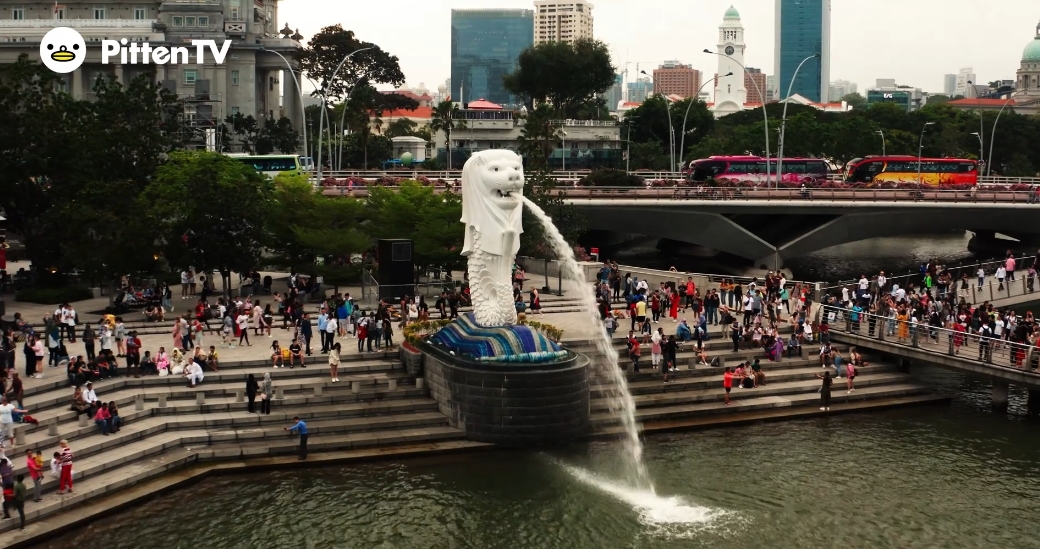
1965年8月9日、シンガポールはマレーシア連邦から分離独立し、主権国家としての一歩を踏み出しました。1963年にマレーシア連邦に加入したものの、経済政策や政治方針の違いなどから統合維持が困難となり、離脱に至った歴史を持ちます。独立後はこの8月9日を「ナショナル・デー(建国記念日)」と定め、国家の歩みと結束を確認する祝日として制定されています。
◆どんな国?
東南アジアの赤道直下に位置するシンガポールは、本島と周辺の小さな島々から構成される島国であり都市国家です。世界有数の海上交通の要衝であるマラッカ海峡の近くに位置し、港湾都市および国際金融センターとして発展してきました。多様な民族(中華系、マレー系、インド系など)で構成される多民族・多文化社会であり、英語、マレー語、中国語、タミルフ sensory の4つが公用語に指定されています。
Pitten TRAVEL:シンガポールを動画でみる
◆詳しい情報
8月9日のナショナル・デーは、シンガポールにおける一年の中で最も盛大な公的行事の一つです。当日は全国で様々な祝賀行事が行われ、特に中心となるのが「ナショナル・デー・パレード(NDP)」です。
このパレードは、マリーナ・ベイ沿いの特設会場やパダン広場などを舞台に開催されます。式典では、軍隊や警察による軍事パレード、航空機による祝賀飛行、市民団体や学校によるパフォーマンスが披露されます。会場周辺の夜空を彩る大規模な花火打ち上げは、行事の最後を飾る定番となっています。また、この時期になると国内の住宅街や商業ビル、公的機関の建物に国旗が掲揚されます。赤と白のシンガポール国旗にちなみ、祝日当日は多くの国民が赤と白の衣服を身に着けて過ごす習慣があります。国家の一体感を示すため、毎年テーマ曲が制作されるほか、統一されたテーマテーマのもとでイベントが企画されます。
1965年の独立当初、資源に乏しく天然水すら隣国からの供給に頼っていた背景から、国家としての自立と団結は重要視されてきました。そのため、ナショナル・デーは単なる祝日を超えて、国家の歴史や多様な民族の調和を再確認する日として機能しています。
参照
[ A Singapore Government Agency Website ]
・Singapore's separation from Malaysia
・Singapore's first national day
◆どんな国?
東南アジアの赤道直下に位置するシンガポールは、本島と周辺の小さな島々から構成される島国であり都市国家です。世界有数の海上交通の要衝であるマラッカ海峡の近くに位置し、港湾都市および国際金融センターとして発展してきました。多様な民族(中華系、マレー系、インド系など)で構成される多民族・多文化社会であり、英語、マレー語、中国語、タミルフ sensory の4つが公用語に指定されています。
Pitten TRAVEL:シンガポールを動画でみる
◆詳しい情報
8月9日のナショナル・デーは、シンガポールにおける一年の中で最も盛大な公的行事の一つです。当日は全国で様々な祝賀行事が行われ、特に中心となるのが「ナショナル・デー・パレード(NDP)」です。
このパレードは、マリーナ・ベイ沿いの特設会場やパダン広場などを舞台に開催されます。式典では、軍隊や警察による軍事パレード、航空機による祝賀飛行、市民団体や学校によるパフォーマンスが披露されます。会場周辺の夜空を彩る大規模な花火打ち上げは、行事の最後を飾る定番となっています。また、この時期になると国内の住宅街や商業ビル、公的機関の建物に国旗が掲揚されます。赤と白のシンガポール国旗にちなみ、祝日当日は多くの国民が赤と白の衣服を身に着けて過ごす習慣があります。国家の一体感を示すため、毎年テーマ曲が制作されるほか、統一されたテーマテーマのもとでイベントが企画されます。
1965年の独立当初、資源に乏しく天然水すら隣国からの供給に頼っていた背景から、国家としての自立と団結は重要視されてきました。そのため、ナショナル・デーは単なる祝日を超えて、国家の歴史や多様な民族の調和を再確認する日として機能しています。
参照
[ A Singapore Government Agency Website ]
・Singapore's separation from Malaysia
・Singapore's first national day
ENGLISH
August 9th is Singapore's National Day.
On August 9, 1965, Singapore separated from the Federation of Malaysia and took its first step as a sovereign state. Although it had joined the Federation of Malaysia in 1963, differences in economic policies and political directions made maintaining the integration difficult, leading to its departure. Following its independence, August 9 was designated as "National Day," a public holiday to reflect on the nation's progress and reaffirm its unity.
◆What kind of country is it?
Located just off the equator in Southeast Asia, Singapore is an island nation and city-state consisting of a main island and surrounding smaller islands. Situated near the Strait of Malacca, one of the world's most vital maritime trade routes, it has developed into a major port city and international financial hub. It is a multi-ethnic and multicultural society composed of various ethnic groups (such as Chinese, Malay, and Indian), with four official languages: English, Malay, Mandarin, and Tamil.
Pitten TRAVEL: Watch Singapore in Video
◆Detailed Information
National Day on August 9 is one of Singapore's grandest official events of the year. On this day, various celebrations take place nationwide, with the main highlight being the "National Day Parade (NDP)."
This parade is held at special venues along Marina Bay or at the Padang. The ceremony features military parades by the armed forces and police, celebratory flypasts by aircraft, and performances by community groups and schools. A massive fireworks display illuminating the night sky around the venue serves as the traditional finale to the event. Additionally, during this season, the national flag is displayed on residential buildings, commercial complexes, and public institutions across the country. In reference to the red and white Singapore flag, many citizens customarily wear red and white clothing on the day of the holiday. To demonstrate national unity, a theme song is created every year, and events are organized under a unified theme.
At the time of independence in 1965, Singapore lacked natural resources and relied even on neighboring countries for its natural water supply, making national self-reliance and unity paramount. Therefore, National Day functions as more than just a public holiday—it serves as a day to reaffirm the nation's history and the harmony among its diverse ethnic groups.
References
[ A Singapore Government Agency Website ]
・Singapore's separation from Malaysia
・Singapore's first national day
◆What kind of country is it?
Located just off the equator in Southeast Asia, Singapore is an island nation and city-state consisting of a main island and surrounding smaller islands. Situated near the Strait of Malacca, one of the world's most vital maritime trade routes, it has developed into a major port city and international financial hub. It is a multi-ethnic and multicultural society composed of various ethnic groups (such as Chinese, Malay, and Indian), with four official languages: English, Malay, Mandarin, and Tamil.
Pitten TRAVEL: Watch Singapore in Video
◆Detailed Information
National Day on August 9 is one of Singapore's grandest official events of the year. On this day, various celebrations take place nationwide, with the main highlight being the "National Day Parade (NDP)."
This parade is held at special venues along Marina Bay or at the Padang. The ceremony features military parades by the armed forces and police, celebratory flypasts by aircraft, and performances by community groups and schools. A massive fireworks display illuminating the night sky around the venue serves as the traditional finale to the event. Additionally, during this season, the national flag is displayed on residential buildings, commercial complexes, and public institutions across the country. In reference to the red and white Singapore flag, many citizens customarily wear red and white clothing on the day of the holiday. To demonstrate national unity, a theme song is created every year, and events are organized under a unified theme.
At the time of independence in 1965, Singapore lacked natural resources and relied even on neighboring countries for its natural water supply, making national self-reliance and unity paramount. Therefore, National Day functions as more than just a public holiday—it serves as a day to reaffirm the nation's history and the harmony among its diverse ethnic groups.
References
[ A Singapore Government Agency Website ]
・Singapore's separation from Malaysia
・Singapore's first national day
[ 2026.08.03 ] 【Pitten ZOO】8月8日は、「世界ネコの日」です。
Last update : 2026.07.28

世界猫の日(World Cat Day)は、毎年8月8日に祝われる記念日で、2002年に国際動物福祉基金(IFAW)によって制定されました。この日は、猫に対する意識を高め、猫を助け、保護する方法について学ぶことを目的としています。
ネコの日は、国ごとに独自で定めていることも多くあります。
・ 2月17日:イタリア、トルコ
・ 3月 1日:ロシア
・ 4月 4日:台湾
・ 6月 4日:アメリカ(猫をハグする日)
・ 8月17日:アメリカ(黒猫の日)
・10月29日:アメリカ(猫の日)
・11月17日:イタリア(猫の日
もちろん、日本のネコの日は2月22日です。
ネコはどんな動物?
ネコ(イエネコ)は柔軟な体と鋭い爪を持ち、ハンティングに適した捕食者です。可愛らしい容姿と人懐っこい性格から、人気のペットとして親しまれています。
Pitten ZOO:ネコの動画をみる
ネコ科の動物は?
世界ネコの日は、ネコ科の動物は、しなやかな体と鋭い爪を持ち、肉食性であることが特徴です。ライオンやトラなどのほかにも、マーゲイ、サーバル、オオヤマネコなど、多くの仲間がいます。
Pitten ZOO:ネコ科の動画をみる
ネコの日は、国ごとに独自で定めていることも多くあります。
・ 2月17日:イタリア、トルコ
・ 3月 1日:ロシア
・ 4月 4日:台湾
・ 6月 4日:アメリカ(猫をハグする日)
・ 8月17日:アメリカ(黒猫の日)
・10月29日:アメリカ(猫の日)
・11月17日:イタリア(猫の日
もちろん、日本のネコの日は2月22日です。
ネコはどんな動物?
ネコ(イエネコ)は柔軟な体と鋭い爪を持ち、ハンティングに適した捕食者です。可愛らしい容姿と人懐っこい性格から、人気のペットとして親しまれています。
Pitten ZOO:ネコの動画をみる
ネコ科の動物は?
世界ネコの日は、ネコ科の動物は、しなやかな体と鋭い爪を持ち、肉食性であることが特徴です。ライオンやトラなどのほかにも、マーゲイ、サーバル、オオヤマネコなど、多くの仲間がいます。
Pitten ZOO:ネコ科の動画をみる
ENGLISH
August 8th is "World Cat Day".
World Cat Day is celebrated annually on August 8th. It was established in 2002 by the International Fund for Animal Welfare (IFAW) to raise awareness about cats and to educate people on how to help and protect them.
While August 8th is the internationally recognized date, many countries have their own designated days to celebrate cats. For example:
・February 17th: Italy, Turkey
・March 1st: Russia
・April 4th: Taiwan
・June 4th: United States (National Hug Your Cat Day)
・August 17th: United States (Black Cat Appreciation Day)
・October 29th: United States (National Cat Day)
・November 17th: Italy (Gatto Day)
・Of course, in Japan, Neko no Hi (Cat Day) is celebrated on February 22nd. The date is a play on words, as "2" in Japanese is pronounced "ni," which sounds similar to the meow of a cat, "nyan."
What kind of animal is a cat?
Domestic cats are flexible and agile predators with sharp claws, making them excellent hunters. Their cute appearance and affectionate nature have made them popular pets worldwide.
Pitten ZOO: Watch cat videos
What are felines?
Felines, or members of the cat family, are characterized by their flexible bodies, sharp claws, and carnivorous diets. In addition to lions and tigers, there are many other feline species, such as margays, servals, and bobcats.
Pitten ZOO: Watch Felidae's videos
While August 8th is the internationally recognized date, many countries have their own designated days to celebrate cats. For example:
・February 17th: Italy, Turkey
・March 1st: Russia
・April 4th: Taiwan
・June 4th: United States (National Hug Your Cat Day)
・August 17th: United States (Black Cat Appreciation Day)
・October 29th: United States (National Cat Day)
・November 17th: Italy (Gatto Day)
・Of course, in Japan, Neko no Hi (Cat Day) is celebrated on February 22nd. The date is a play on words, as "2" in Japanese is pronounced "ni," which sounds similar to the meow of a cat, "nyan."
What kind of animal is a cat?
Domestic cats are flexible and agile predators with sharp claws, making them excellent hunters. Their cute appearance and affectionate nature have made them popular pets worldwide.
Pitten ZOO: Watch cat videos
What are felines?
Felines, or members of the cat family, are characterized by their flexible bodies, sharp claws, and carnivorous diets. In addition to lions and tigers, there are many other feline species, such as margays, servals, and bobcats.
Pitten ZOO: Watch Felidae's videos