[ 2026.07.16 ] July 29th is International Tiger Day
【Pitten ZOO】7月29日は、国際トラの日です。
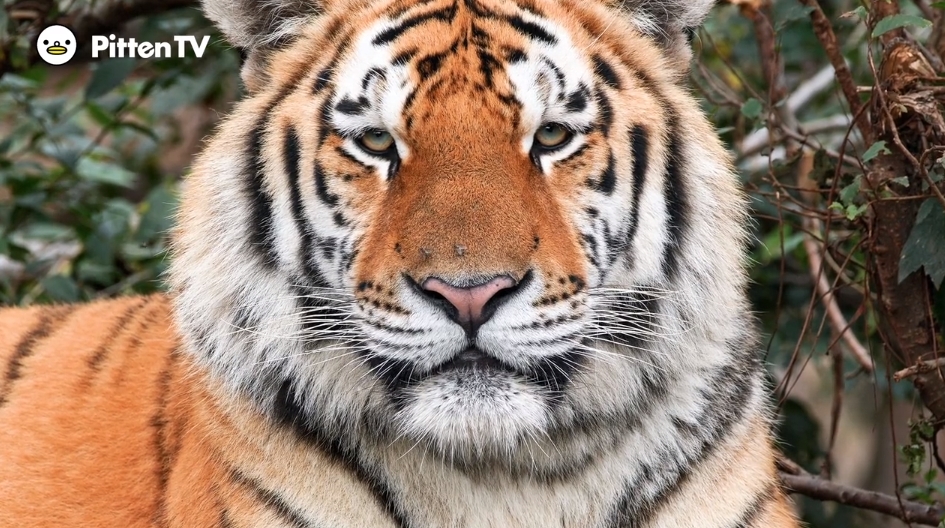
国際トラの日(世界トラの日)は、絶滅の危機に瀕する野生のトラの現状や保護の重要性を伝えるために制定された国際記念日です。2010年11月にロシアで開催された国際会議「トラサミット」において、生息国の代表らが集まり制定しました。野生のトラの生息数を回復させることや、自然界の生息域を世界的なシステムで保護し、人とトラが共存できる環境を整備することを目的としています。
どんな動物?
トラはネコ科ヒョウ属に分類される動物で、野生のネコ科動物の中では最大級の体サイズを持ちます。黄色や赤褐色の毛皮に黒い縦縞模様が入るのが外見上の大きな特徴であり、この縞模様のパターンは個体ごとに異なります。森林や低木林、湿地などに生息し、単独で広い縄張りを形成して生活します。優れた身体能力を持ち、大型の哺乳類を捕食する肉食性で、ネコ科としては珍しく泳ぎが得意な性質も備えています。
Pitten ZOO:トラを動画でみる
詳しい情報
2010年に「国際トラの日」が設立された背景には、20世紀初頭に約10万頭いたとされる野生のトラが、100年間で約97%も減少し、約3,200頭にまで激減したという危機的な状況がありました。この急激な減少の主な要因は、人間による森林伐採や開発に伴う生息地の分断・消失、気候変動、そして骨や皮などを目的とした密猟や不正取引です。
トラサミットが開催された2010年当時、インド、ロシア、ネパール、タイ、インドネシアなど13のトラ生息国が参加し、次の「寅年」にあたる2022年までに野生のトラの個体数を2倍に増やすという国際目標「Tx2」が掲げられました。この目標に向けて、世界自然保護基金(WWF)をはじめとする多くの動物保護団体や各国政府が連携し、密猟対策の強化や生息域を繋ぐ回廊(コリドー)の確保、生息地周辺の地域住民との衝突回避といった具体的な保全活動が展開されてきました。
こうした継続的な取り組みの結果、インドやネパール、ブータン、ロシアなどの国々では個体数が目標通り増加し、2022年以降の調査では地球全体での野生のトラの推定数が約5,500頭規模まで回復していることが確認されています。しかしながら、東南アジアの一部地域では依然として個体数の減少や地域的絶滅の危機が続いており、国際自然保護連合(IUCN)のレッドリストでは依然として絶滅危惧種(EN)に指定されたままです。
毎年7月29日の国際トラの日には、世界各地の動物園や保護団体によってさまざまな教育イベントや啓発活動が実施されています。生息国では野生個体のモニタリング成果や今後の課題が報告されるほか、消費活動が生息地の森林破壊に与える影響について消費者に理解を促す活動などが行われています。
参照
WWFジャパン:世界トラの日(国際トラの日)とは?
IUCN Red List: Panthera tigris(英語)
Wikipedia:世界トラの日
どんな動物?
トラはネコ科ヒョウ属に分類される動物で、野生のネコ科動物の中では最大級の体サイズを持ちます。黄色や赤褐色の毛皮に黒い縦縞模様が入るのが外見上の大きな特徴であり、この縞模様のパターンは個体ごとに異なります。森林や低木林、湿地などに生息し、単独で広い縄張りを形成して生活します。優れた身体能力を持ち、大型の哺乳類を捕食する肉食性で、ネコ科としては珍しく泳ぎが得意な性質も備えています。
Pitten ZOO:トラを動画でみる
詳しい情報
2010年に「国際トラの日」が設立された背景には、20世紀初頭に約10万頭いたとされる野生のトラが、100年間で約97%も減少し、約3,200頭にまで激減したという危機的な状況がありました。この急激な減少の主な要因は、人間による森林伐採や開発に伴う生息地の分断・消失、気候変動、そして骨や皮などを目的とした密猟や不正取引です。
トラサミットが開催された2010年当時、インド、ロシア、ネパール、タイ、インドネシアなど13のトラ生息国が参加し、次の「寅年」にあたる2022年までに野生のトラの個体数を2倍に増やすという国際目標「Tx2」が掲げられました。この目標に向けて、世界自然保護基金(WWF)をはじめとする多くの動物保護団体や各国政府が連携し、密猟対策の強化や生息域を繋ぐ回廊(コリドー)の確保、生息地周辺の地域住民との衝突回避といった具体的な保全活動が展開されてきました。
こうした継続的な取り組みの結果、インドやネパール、ブータン、ロシアなどの国々では個体数が目標通り増加し、2022年以降の調査では地球全体での野生のトラの推定数が約5,500頭規模まで回復していることが確認されています。しかしながら、東南アジアの一部地域では依然として個体数の減少や地域的絶滅の危機が続いており、国際自然保護連合(IUCN)のレッドリストでは依然として絶滅危惧種(EN)に指定されたままです。
毎年7月29日の国際トラの日には、世界各地の動物園や保護団体によってさまざまな教育イベントや啓発活動が実施されています。生息国では野生個体のモニタリング成果や今後の課題が報告されるほか、消費活動が生息地の森林破壊に与える影響について消費者に理解を促す活動などが行われています。
参照
WWFジャパン:世界トラの日(国際トラの日)とは?
IUCN Red List: Panthera tigris(英語)
Wikipedia:世界トラの日
International Tiger Day (also known as Global Tiger Day) is an international observance established to raise awareness about the plight of endangered wild tigers and the importance of their conservation. It was instituted by representatives from tiger-range countries who gathered at the "Tiger Summit" held in Russia in November 2010. The initiative aims to restore wild tiger populations, protect their natural habitats through global systems, and create environments where humans and tigers can coexist.
What kind of animal is it?
Tigers belong to the genus *Panthera* within the Felidae (cat) family and are among the largest of all wild felids. Their most distinctive physical feature is a coat of yellow or reddish-brown fur marked with black vertical stripes—patterns that are unique to each individual. They inhabit forests, shrublands, and wetlands, living solitary lives within large territories. Possessing exceptional physical prowess, they are carnivores that prey on large mammals; unlike most members of the cat family, they are also adept swimmers.
Pitten ZOO: Watch a video of tigers
Details
The establishment of International Tiger Day in 2010 was driven by a critical situation: the wild tiger population, estimated at around 100,000 in the early 20th century, had plummeted by approximately 97% over the course of a century, dropping to just 3,200 individuals. The primary causes of this drastic decline include habitat fragmentation and loss due to deforestation and human development, climate change, and poaching and illegal trade driven by the demand for tiger bones and skins. At the time of the 2010 Tiger Summit, thirteen tiger-range countries—including India, Russia, Nepal, Thailand, and Indonesia—participated and adopted the international "Tx2" goal: to double the wild tiger population by 2022, the next "Year of the Tiger." Working toward this objective, the World Wide Fund for Nature (WWF), various other wildlife conservation organizations, and national governments collaborated on concrete conservation activities. These included strengthening anti-poaching measures, securing habitat corridors to connect fragmented areas, and mitigating conflicts between tigers and local communities living near their habitats.
As a result of these sustained efforts, wild tiger populations increased as targeted in countries such as India, Nepal, Bhutan, and Russia; surveys conducted from 2022 onwards have confirmed a global recovery in the estimated wild tiger population to approximately 5,500 individuals. However, some regions in Southeast Asia continue to face population declines and the risk of local extinction, and the species remains classified as Endangered (EN) on the International Union for Conservation of Nature (IUCN) Red List.
Every year on July 29—International Tiger Day—zoos and conservation organizations around the world host various educational events and awareness-raising activities. In tiger-range countries, these include reports on wild tiger monitoring results and future challenges, as well as initiatives designed to help consumers understand how their consumption habits contribute to deforestation in tiger habitats.
Reference
WWF Japan: What is World Tiger Day (International Tiger Day)? [JP]
IUCN Red List: Panthera tigris
Wikipedia: World Tiger Day
What kind of animal is it?
Tigers belong to the genus *Panthera* within the Felidae (cat) family and are among the largest of all wild felids. Their most distinctive physical feature is a coat of yellow or reddish-brown fur marked with black vertical stripes—patterns that are unique to each individual. They inhabit forests, shrublands, and wetlands, living solitary lives within large territories. Possessing exceptional physical prowess, they are carnivores that prey on large mammals; unlike most members of the cat family, they are also adept swimmers.
Pitten ZOO: Watch a video of tigers
Details
The establishment of International Tiger Day in 2010 was driven by a critical situation: the wild tiger population, estimated at around 100,000 in the early 20th century, had plummeted by approximately 97% over the course of a century, dropping to just 3,200 individuals. The primary causes of this drastic decline include habitat fragmentation and loss due to deforestation and human development, climate change, and poaching and illegal trade driven by the demand for tiger bones and skins. At the time of the 2010 Tiger Summit, thirteen tiger-range countries—including India, Russia, Nepal, Thailand, and Indonesia—participated and adopted the international "Tx2" goal: to double the wild tiger population by 2022, the next "Year of the Tiger." Working toward this objective, the World Wide Fund for Nature (WWF), various other wildlife conservation organizations, and national governments collaborated on concrete conservation activities. These included strengthening anti-poaching measures, securing habitat corridors to connect fragmented areas, and mitigating conflicts between tigers and local communities living near their habitats.
As a result of these sustained efforts, wild tiger populations increased as targeted in countries such as India, Nepal, Bhutan, and Russia; surveys conducted from 2022 onwards have confirmed a global recovery in the estimated wild tiger population to approximately 5,500 individuals. However, some regions in Southeast Asia continue to face population declines and the risk of local extinction, and the species remains classified as Endangered (EN) on the International Union for Conservation of Nature (IUCN) Red List.
Every year on July 29—International Tiger Day—zoos and conservation organizations around the world host various educational events and awareness-raising activities. In tiger-range countries, these include reports on wild tiger monitoring results and future challenges, as well as initiatives designed to help consumers understand how their consumption habits contribute to deforestation in tiger habitats.
Reference
WWF Japan: What is World Tiger Day (International Tiger Day)? [JP]
IUCN Red List: Panthera tigris
Wikipedia: World Tiger Day