[ 2025.06.23 ] June 24th is the Constitutional Revolution Day of the Kingdom of Thailand.
【Pitten TRAVEL】6月24日は、タイ王国の立憲革命記念日です。
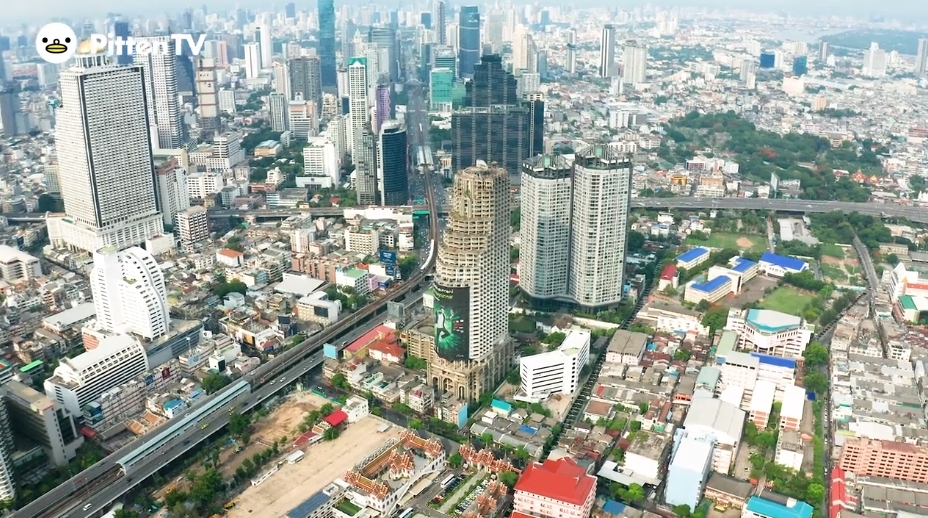
タイの立憲革命記念日は毎年6月24日に祝われます。この日は1932年にタイ(当時はシャム)で絶対王政が廃止され、立憲君主制が導入されたことを記念しています。
Pitten TRAVEL:タイの動画をみる
立憲革命記念日は、タイの近代化と政治制度の発展を象徴する日として認識されています。多くのタイ人にとって、この日は国の歴史を振り返り、現在の政治制度の基礎となった出来事を思い起こす機会となっています。
バンコクの旧市街には、この歴史的な出来事を記念するいくつかの場所があります。例えば、アナンタ・サマーコム宮殿やチュラロンコン大王の騎馬像がある広場は、立憲革命の歴史と深く結びついています。
詳細情報
1932年当時、シャム王国はラーマ7世(プラチャーティポック王)による絶対君主制のもとにありました。しかし、世界恐慌の影響による経済不安や官僚の大量解雇、そして王室と高級官僚の間に生じた対立など、国の内外に深刻な不満が蓄積していました。
こうした中、フランス留学経験を持つ若い軍人や官僚らが中心となって、**「人民党(カナ・ラサドン)」**を秘密裏に結成し、クーデター計画を立案します。
当初は6月中旬の実行が予定されていましたが、状況の変化や準備の遅れにより、最終的に1932年6月24日早朝、人民党はクーデターを実行しました。軍事力と官僚の協力を背景に、血を流すことなく主要拠点を掌握し、体制転換に成功しました。
人民党は国王に対し、憲法の制定と政治制度の改革を要求し、ラーマ7世はこれを受け入れました。この出来事により、シャムは絶対君主制から立憲君主制へと移行し、国民が主権を持つ国家体制への第一歩を踏み出したのです。
1932年の立憲革命は、タイにおける近代政治の幕開けとなりましたが、その後すぐに安定した民主主義が定着したわけではありません。軍部の影響力は依然として強く、その後も複数回の軍事クーデターが発生し、政治は断続的に混乱しました。
また、1939年には国号が「シャム」から「タイ」へと変更されました。「タイ(Thai)」は「自由」を意味するとされていますが、同時に「タイ族の国」という民族的な意味合いも含まれています。
バンコクのラチャダムヌン通りにある民主記念塔は、立憲革命を記念して建設されたもので、タイの政治改革を象徴するモニュメントです。毎年6月24日にはこの地を中心に、記念式典や歴史を振り返る行事が行われることもあります。
立憲革命記念日は、独立記念日ではありませんが、タイ国民にとっては政治的な転換点と近代国家としての出発点を象徴する重要な日です。国の民主主義と憲法体制の原点として、今日でも歴史的な意味を持ち続けています。
Pitten TRAVEL:タイの動画をみる
立憲革命記念日は、タイの近代化と政治制度の発展を象徴する日として認識されています。多くのタイ人にとって、この日は国の歴史を振り返り、現在の政治制度の基礎となった出来事を思い起こす機会となっています。
バンコクの旧市街には、この歴史的な出来事を記念するいくつかの場所があります。例えば、アナンタ・サマーコム宮殿やチュラロンコン大王の騎馬像がある広場は、立憲革命の歴史と深く結びついています。
詳細情報
革命前夜:不満が高まっていた絶対王政
1932年当時、シャム王国はラーマ7世(プラチャーティポック王)による絶対君主制のもとにありました。しかし、世界恐慌の影響による経済不安や官僚の大量解雇、そして王室と高級官僚の間に生じた対立など、国の内外に深刻な不満が蓄積していました。
こうした中、フランス留学経験を持つ若い軍人や官僚らが中心となって、**「人民党(カナ・ラサドン)」**を秘密裏に結成し、クーデター計画を立案します。
クーデターの決行:1932年6月24日
当初は6月中旬の実行が予定されていましたが、状況の変化や準備の遅れにより、最終的に1932年6月24日早朝、人民党はクーデターを実行しました。軍事力と官僚の協力を背景に、血を流すことなく主要拠点を掌握し、体制転換に成功しました。
人民党は国王に対し、憲法の制定と政治制度の改革を要求し、ラーマ7世はこれを受け入れました。この出来事により、シャムは絶対君主制から立憲君主制へと移行し、国民が主権を持つ国家体制への第一歩を踏み出したのです。
革命後の変化と課題
1932年の立憲革命は、タイにおける近代政治の幕開けとなりましたが、その後すぐに安定した民主主義が定着したわけではありません。軍部の影響力は依然として強く、その後も複数回の軍事クーデターが発生し、政治は断続的に混乱しました。
また、1939年には国号が「シャム」から「タイ」へと変更されました。「タイ(Thai)」は「自由」を意味するとされていますが、同時に「タイ族の国」という民族的な意味合いも含まれています。
記念の象徴:民主記念塔(Democracy Monument)
バンコクのラチャダムヌン通りにある民主記念塔は、立憲革命を記念して建設されたもので、タイの政治改革を象徴するモニュメントです。毎年6月24日にはこの地を中心に、記念式典や歴史を振り返る行事が行われることもあります。
意義と現代の位置づけ
立憲革命記念日は、独立記念日ではありませんが、タイ国民にとっては政治的な転換点と近代国家としての出発点を象徴する重要な日です。国の民主主義と憲法体制の原点として、今日でも歴史的な意味を持ち続けています。
Thailand's Constitutional Revolution Day is celebrated on June 24th every year. This day commemorates the abolition of the absolute monarchy in Thailand (then Siam) in 1932, and the introduction of a constitutional monarchy.
Watch Thailand video
Constitutional Revolution Day is recognized as a day that symbolizes Thailand's modernization and development of its political system. For many Thais, this day is an opportunity to reflect on the country's history and remember the events that formed the basis of its current political system.
There are several places in Bangkok's Old City that commemorate this historical event. For example, the square with the Ananta Samakhom Palace and the equestrian statue of King Chulalongkorn the Great is deeply connected to the history of the Constitutional Revolution.
Details
In 1932, the Kingdom of Siam was under the absolute monarchy of King Prajadhipok (Rama VII). However, severe discontent was accumulating both inside and outside the country due to economic instability caused by the Great Depression, mass layoffs of bureaucrats, and conflicts that arose between the royal family and high-ranking officials.
Amidst this, young military officers and bureaucrats, many of whom had studied in France, secretly formed the "People's Party (Khana Ratsadon)" and drafted a coup plan.
Although initially scheduled for mid-June, due to changing circumstances and preparation delays, the People's Party finally executed the coup in the early morning of June 24, 1932. Backed by military force and the cooperation of bureaucrats, they seized key strongholds without bloodshed, successfully transforming the regime.
The People's Party demanded that the King establish a constitution and transfer sovereignty to the people, which King Rama VII accepted. This event marked Siam's transition from an absolute monarchy to a constitutional monarchy, taking the first step towards a state system where the people hold sovereignty.
The 1932 Constitutional Revolution marked the dawn of modern politics in Thailand, but stable democracy did not immediately take root thereafter. The military's influence remained strong, and multiple military coups occurred subsequently, leading to intermittent political instability.
Additionally, in 1939, the country's name was changed from "Siam" to "Thailand." While "Thai" is said to mean "freedom," it also carries an ethnic connotation of "the land of the Thai people."
The Democracy Monument on Ratchadamnoen Avenue in Bangkok was constructed to commemorate the Constitutional Revolution and stands as a monument symbolizing Thailand's political reforms. Annually on June 24, commemorative ceremonies and events reflecting on history are sometimes held, centered around this monument.
While not an independence day, Constitutional Revolution Day is a significant date for the Thai people, symbolizing a political turning point and the beginning of the nation as a modern state. It continues to hold historical meaning today as the origin of the country's democracy and constitutional system.
Watch Thailand video
Constitutional Revolution Day is recognized as a day that symbolizes Thailand's modernization and development of its political system. For many Thais, this day is an opportunity to reflect on the country's history and remember the events that formed the basis of its current political system.
There are several places in Bangkok's Old City that commemorate this historical event. For example, the square with the Ananta Samakhom Palace and the equestrian statue of King Chulalongkorn the Great is deeply connected to the history of the Constitutional Revolution.
Details
The Eve of Revolution: Mounting Dissatisfaction with Absolute Monarchy
In 1932, the Kingdom of Siam was under the absolute monarchy of King Prajadhipok (Rama VII). However, severe discontent was accumulating both inside and outside the country due to economic instability caused by the Great Depression, mass layoffs of bureaucrats, and conflicts that arose between the royal family and high-ranking officials.
Amidst this, young military officers and bureaucrats, many of whom had studied in France, secretly formed the "People's Party (Khana Ratsadon)" and drafted a coup plan.
The Coup D'état: June 24, 1932
Although initially scheduled for mid-June, due to changing circumstances and preparation delays, the People's Party finally executed the coup in the early morning of June 24, 1932. Backed by military force and the cooperation of bureaucrats, they seized key strongholds without bloodshed, successfully transforming the regime.
The People's Party demanded that the King establish a constitution and transfer sovereignty to the people, which King Rama VII accepted. This event marked Siam's transition from an absolute monarchy to a constitutional monarchy, taking the first step towards a state system where the people hold sovereignty.
Post-Revolutionary Changes and Challenges
The 1932 Constitutional Revolution marked the dawn of modern politics in Thailand, but stable democracy did not immediately take root thereafter. The military's influence remained strong, and multiple military coups occurred subsequently, leading to intermittent political instability.
Additionally, in 1939, the country's name was changed from "Siam" to "Thailand." While "Thai" is said to mean "freedom," it also carries an ethnic connotation of "the land of the Thai people."
Symbol of Commemoration: Democracy Monument
The Democracy Monument on Ratchadamnoen Avenue in Bangkok was constructed to commemorate the Constitutional Revolution and stands as a monument symbolizing Thailand's political reforms. Annually on June 24, commemorative ceremonies and events reflecting on history are sometimes held, centered around this monument.
Significance and Contemporary Relevance
While not an independence day, Constitutional Revolution Day is a significant date for the Thai people, symbolizing a political turning point and the beginning of the nation as a modern state. It continues to hold historical meaning today as the origin of the country's democracy and constitutional system.