EN
JA



ニュース
[ 2026.02.20 ] 【Pitten ZOO】2月27日は、国際ホッキョクグマ(シロクマ)の日です。
Last update : 2026.02.03
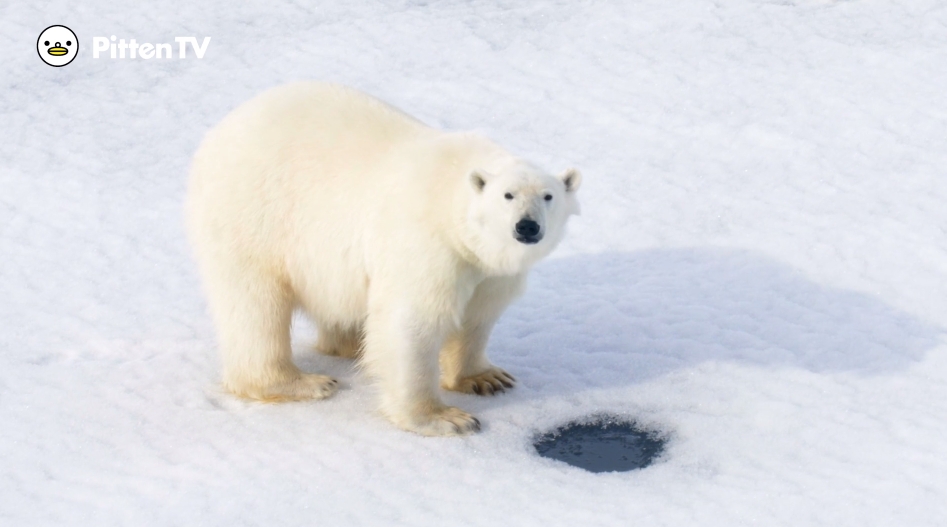
毎年2月27日は、地球温暖化の影響で絶滅の危機に瀕しているホッキョクグマの保護と、彼らが直面する環境問題への意識を高めるために制定された国際的な記念日です。アメリカに本拠を置く非営利団体「ポーラー・ベア・インターナショナル(Polar Bears International)」によって提唱されました。この時期(2月下旬)は、母グマと子グマが巣穴の中で過ごす重要な時期にあたります。
どんなどうぶつ?
ホッキョクグマは、北極圏の氷原や海域に生息する世界最大級の肉食獣です。全身が白く見えるため、シロクマとも呼ばれますが、実際の体毛は透明な中空構造で、太陽光を効率よく地肌に届ける役割を果たしています。地肌そのものは黒色で、熱を吸収しやすい仕組みになっています。主食はアザラシで、海氷を足場にして狩りを行います。泳ぎが非常に得意で、一度に数十キロメートルを泳ぐことも可能です。寒冷地に適応した厚い脂肪層を持ち、厳しい冬を生き抜く身体構造を有しています。
Pitten ZOO:ホッキョクグマ(シロクマ)を動画でみる
どんなどうぶつ?
ホッキョクグマは、北極圏の氷原や海域に生息する世界最大級の肉食獣です。全身が白く見えるため、シロクマとも呼ばれますが、実際の体毛は透明な中空構造で、太陽光を効率よく地肌に届ける役割を果たしています。地肌そのものは黒色で、熱を吸収しやすい仕組みになっています。主食はアザラシで、海氷を足場にして狩りを行います。泳ぎが非常に得意で、一度に数十キロメートルを泳ぐことも可能です。寒冷地に適応した厚い脂肪層を持ち、厳しい冬を生き抜く身体構造を有しています。
Pitten ZOO:ホッキョクグマ(シロクマ)を動画でみる
ENGLISH
February 27th is International Polar Bear Day.
Every year on February 27, an international commemorative day is observed to promote the protection of polar bears—an animal facing the risk of extinction due to the impacts of global warming—and to raise awareness of the environmental issues they confront. The day was proposed by the U.S.-based nonprofit organization Polar Bears International. Late February is a particularly critical period, as mother bears and their cubs spend this time inside their dens.
What kind of animal is it?
Polar bears are among the largest carnivorous mammals in the world, inhabiting the Arctic’s icy plains and surrounding seas. They are also known as white bears because they appear white, but their fur is actually transparent and hollow, allowing sunlight to efficiently reach their skin. Their skin itself is black, which helps absorb heat. Their primary prey is seals, which they hunt from sea ice platforms. Polar bears are excellent swimmers and can travel dozens of kilometers in a single swim. They are well adapted to cold environments, with a thick layer of body fat and a physical structure that enables them to survive harsh winters.
Pitten ZOO: Watch a polar bear (white bear) video
What kind of animal is it?
Polar bears are among the largest carnivorous mammals in the world, inhabiting the Arctic’s icy plains and surrounding seas. They are also known as white bears because they appear white, but their fur is actually transparent and hollow, allowing sunlight to efficiently reach their skin. Their skin itself is black, which helps absorb heat. Their primary prey is seals, which they hunt from sea ice platforms. Polar bears are excellent swimmers and can travel dozens of kilometers in a single swim. They are well adapted to cold environments, with a thick layer of body fat and a physical structure that enables them to survive harsh winters.
Pitten ZOO: Watch a polar bear (white bear) video
[ 2026.02.11 ] 【Pitten ZOO】2月15日は「世界カバの日」です。
Last update : 2026.02.03

世界カバの日は毎年2月15日に祝われる日で、カバの窮状に対する認識を高め、この絶滅危惧種の保護活動を促進することを目的としています。この日の正確な起源は明確に記録されていませんが、ジンバブエにあるTurgwe Hippo Trust(カバの自然生息地での保護と研究に専念する先駆的な保護プロジェクト)の開設記念日に合わせて設定されたと考えられています。
どんなどうぶつ?
現代のカバは約800万年前にアフリカで進化しました。カバはサハラ以南のアフリカに生息する半水生哺乳類です。体重は最大2,000kgにもなり、陸上哺乳類では3番目に大きな動物です。
Pitten ZOO:カバを動画でみる
カバの現状
カバの個体数は115,000から130,000頭と推定されており、密猟、淡水へのアクセス喪失、機械化農業、都市化などにより減少しています。国際自然保護連合(IUCN)は、過去20年間でカバの個体数が最大20%減少したことを受けて、2006年にカバを絶滅危惧種(脆弱種)に指定しました。
どんなどうぶつ?
現代のカバは約800万年前にアフリカで進化しました。カバはサハラ以南のアフリカに生息する半水生哺乳類です。体重は最大2,000kgにもなり、陸上哺乳類では3番目に大きな動物です。
Pitten ZOO:カバを動画でみる
カバの現状
カバの個体数は115,000から130,000頭と推定されており、密猟、淡水へのアクセス喪失、機械化農業、都市化などにより減少しています。国際自然保護連合(IUCN)は、過去20年間でカバの個体数が最大20%減少したことを受けて、2006年にカバを絶滅危惧種(脆弱種)に指定しました。
ENGLISH
February 15th is World Hippo Day.
World Hippo Day is celebrated annually on February 15th, with the aim of raising awareness of the hippopotamus' plight and encouraging conservation efforts for this endangered species. The exact origins of the day are not clearly recorded, but it is believed to have been established to coincide with the anniversary of the opening of the Turgwe Hippo Trust in Zimbabwe, a pioneering conservation project dedicated to protecting and studying hippos in their natural habitat.
What kind of animal is it?
Modern hippos evolved in Africa around 8 million years ago. Hippos are semi-aquatic mammals found in sub-Saharan Africa. They can weigh up to 2,000 kg, making them the third largest land mammal.
Pitten ZOO: Watch a video of hippos
Current situation of hippos
The hippopotamus population is estimated at 115,000 to 130,000 and is declining due to poaching, loss of access to freshwater, mechanized agriculture, urbanization, and other factors. The International Union for Conservation of Nature (IUCN) listed hippos as endangered (vulnerable) in 2006 after hippopotamus populations declined by up to 20% over the past 20 years.
What kind of animal is it?
Modern hippos evolved in Africa around 8 million years ago. Hippos are semi-aquatic mammals found in sub-Saharan Africa. They can weigh up to 2,000 kg, making them the third largest land mammal.
Pitten ZOO: Watch a video of hippos
Current situation of hippos
The hippopotamus population is estimated at 115,000 to 130,000 and is declining due to poaching, loss of access to freshwater, mechanized agriculture, urbanization, and other factors. The International Union for Conservation of Nature (IUCN) listed hippos as endangered (vulnerable) in 2006 after hippopotamus populations declined by up to 20% over the past 20 years.
[ 2025.12.03 ] 【Pitten ZOO】12月4日は「国際チーターの日」です。

毎年12月4日は「国際チーターの日」です。この日は、ローリー・マーカー博士が育てたチーター「カヤム(Khayam)」の誕生日です。カヤムは野生復帰研究の一環でアフリカに連れて行かれ、博士の努力で狩りを学びました。この研究を通じて、博士はナミビアで農民がチーターを害獣として駆除している現状を知り、保護活動を始めました。カイアムへの敬意を込め、この日が保護活動の象徴とされています。
どんなどうぶつ?
動物界のスピード記録保持者。最高時速は110キロメートルほどだが、最長でも500メートルほどしか走れません。頭が小さく、体全体がスマートで、走るのに適しています。つめはほかのネコのようには引っこまず、木登りはあまり上手ではありません。子は黒灰色で、ハイエナに似たたてがみがあります。
Pitten ZOO:チーターを動画でみる
チーター保護基金
Cheetah Conservation Fund(CCF)は、チーターの保護と研究に特化した国際的に認められた組織です。1990年に保全生物学者のローリー・マーカー博士によって設立され、ナミビアに本部があります。
CCFの活動は、研究、教育、保全の3つの柱に基づいています。
1.研究:チーターの健康、繁殖、遺伝学、行動、生態学などの分野で包括的な調査を行っています。
2.教育:一般市民、学生、農家向けに、チーターの重要性と共存の方法について啓発活動を実施しています。
3.保全:人間とチーターの軋轢を減らすための取り組みを行っています。例えば、家畜を守るアナトリアン・シェパードの繁殖プログラムは、捕食被害を80%以上減少させました。
CCFの取り組みは、チーターの生息地保全、遺伝的多様性の維持、人間との共存促進など多岐にわたり、世界中のチーター保護活動のモデルとなっています。
-
CCF:https://cheetah.org/
どんなどうぶつ?
動物界のスピード記録保持者。最高時速は110キロメートルほどだが、最長でも500メートルほどしか走れません。頭が小さく、体全体がスマートで、走るのに適しています。つめはほかのネコのようには引っこまず、木登りはあまり上手ではありません。子は黒灰色で、ハイエナに似たたてがみがあります。
Pitten ZOO:チーターを動画でみる
チーター保護基金
Cheetah Conservation Fund(CCF)は、チーターの保護と研究に特化した国際的に認められた組織です。1990年に保全生物学者のローリー・マーカー博士によって設立され、ナミビアに本部があります。
CCFの活動は、研究、教育、保全の3つの柱に基づいています。
1.研究:チーターの健康、繁殖、遺伝学、行動、生態学などの分野で包括的な調査を行っています。
2.教育:一般市民、学生、農家向けに、チーターの重要性と共存の方法について啓発活動を実施しています。
3.保全:人間とチーターの軋轢を減らすための取り組みを行っています。例えば、家畜を守るアナトリアン・シェパードの繁殖プログラムは、捕食被害を80%以上減少させました。
CCFの取り組みは、チーターの生息地保全、遺伝的多様性の維持、人間との共存促進など多岐にわたり、世界中のチーター保護活動のモデルとなっています。
-
CCF:https://cheetah.org/
ENGLISH
December 4th is International Cheetah Day
December 4th is International Cheetah Day every year. This day is the birthday of Khayam, a cheetah raised by Dr. Laurie Marker. Khayam was taken to Africa as part of a research project to reintroduce cheetahs into the wild, and through the efforts of the doctor, he learned how to hunt. Through this research, the doctor learned that farmers in Namibia were exterminating cheetahs as pests, and began conservation efforts. In honor of Khayam, this day is considered a symbol of conservation efforts.
What kind of animal is it?
It is the speed record holder in the animal kingdom. Its maximum speed is about 110 kilometers per hour, but it can only run about 500 meters at most. It has a small head and a slim body that is well suited to running. Its claws do not retract like other cats, and it is not very good at climbing trees. Its cubs are black-gray in color and have a mane similar to that of a hyena.
Pitten ZOO: Watch cheetah videos
Cheetah Conservation Fund
The Cheetah Conservation Fund (CCF) is an internationally recognized organization dedicated to cheetah conservation and research. Founded in 1990 by conservation biologist Dr. Laurie Marker, it is headquartered in Namibia.
CCF's activities are based on three pillars: research, education, and conservation.
1. Research: We conduct comprehensive research into cheetah health, breeding, genetics, behavior, and ecology.
2. Education: We raise awareness among the public, students, and farmers about the importance of cheetahs and how to coexist with them.
3. Conservation: We work to reduce conflict between humans and cheetahs. For example, our breeding program of Anatolian shepherds to protect livestock has reduced predation by more than 80%.
CCF's efforts range from protecting cheetah habitat, maintaining genetic diversity, and promoting coexistence with humans, making it a model for cheetah conservation efforts around the world.
Cheetah Conservation Fund (CCF): https://cheetah.org/
What kind of animal is it?
It is the speed record holder in the animal kingdom. Its maximum speed is about 110 kilometers per hour, but it can only run about 500 meters at most. It has a small head and a slim body that is well suited to running. Its claws do not retract like other cats, and it is not very good at climbing trees. Its cubs are black-gray in color and have a mane similar to that of a hyena.
Pitten ZOO: Watch cheetah videos
Cheetah Conservation Fund
The Cheetah Conservation Fund (CCF) is an internationally recognized organization dedicated to cheetah conservation and research. Founded in 1990 by conservation biologist Dr. Laurie Marker, it is headquartered in Namibia.
CCF's activities are based on three pillars: research, education, and conservation.
1. Research: We conduct comprehensive research into cheetah health, breeding, genetics, behavior, and ecology.
2. Education: We raise awareness among the public, students, and farmers about the importance of cheetahs and how to coexist with them.
3. Conservation: We work to reduce conflict between humans and cheetahs. For example, our breeding program of Anatolian shepherds to protect livestock has reduced predation by more than 80%.
CCF's efforts range from protecting cheetah habitat, maintaining genetic diversity, and promoting coexistence with humans, making it a model for cheetah conservation efforts around the world.
Cheetah Conservation Fund (CCF): https://cheetah.org/
[ 2025.11.10 ] 【Pitten TRAVEL】11月18日は、モロッコの独立記念日です。

モロッコの独立記念日は11月18日です。1956年のこの日に、モロッコはフランスとスペインから独立しました。
11月18日は、フランスとスペインからの完全な独立を記念する日として祝われ、様々なイベントが開催されます。首都ラバトでは、国王による式典が行われます。また、各地でパレードやコンサートなどが開催され、国民が祝賀ムードに包まれます。
どんな国?
モロッコは、北アフリカ北西部に位置する立憲君主制の国家です。気候は地中海性気候やステップ気候が見られ、モロッコ全体で乾燥しています。アトラス山脈によって気候が変わり、山脈の南側は砂漠気候となっています。地震の多い地域でもあります。
Pitten TRAVEL:モロッコを動画でみる
<革命記念日について>
モロッコの独立記念日は、11月18日ですが、8月20日の革命記念日も、モロッコの独立に深く関わる重要な祝日です。
1953年8月20日、フランスの植民地支配に対して抗議運動が勃発しました。この抗議運動が、後のモロッコ独立へと繋がりました。
11月18日は、フランスとスペインからの完全な独立を記念する日として祝われ、様々なイベントが開催されます。首都ラバトでは、国王による式典が行われます。また、各地でパレードやコンサートなどが開催され、国民が祝賀ムードに包まれます。
どんな国?
モロッコは、北アフリカ北西部に位置する立憲君主制の国家です。気候は地中海性気候やステップ気候が見られ、モロッコ全体で乾燥しています。アトラス山脈によって気候が変わり、山脈の南側は砂漠気候となっています。地震の多い地域でもあります。
Pitten TRAVEL:モロッコを動画でみる
<革命記念日について>
モロッコの独立記念日は、11月18日ですが、8月20日の革命記念日も、モロッコの独立に深く関わる重要な祝日です。
1953年8月20日、フランスの植民地支配に対して抗議運動が勃発しました。この抗議運動が、後のモロッコ独立へと繋がりました。
ENGLISH
November 18th is Morocco's Independence Day
Morocco's Independence Day is November 18th. On this day in 1956, Morocco gained independence from France and Spain.
November 18th is celebrated as a day to commemorate complete independence from France and Spain, and various events are held. A ceremony by the King is held in the capital, Rabat. In addition, parades and concerts are held all over the country, and the people are in a celebratory mood.
What kind of country is it?
Morocco is a constitutional monarchy located in the northwest of North Africa. The climate is Mediterranean and steppe, and it is dry throughout Morocco. The climate changes due to the Atlas Mountains, and the south side of the mountains has a desert climate. It is also an area with many earthquakes.
Pitten TRAVEL: Watch a video of Morocco
[ About Bastille Day ]
Morocco's Independence Day is November 18th, but Bastille Day on August 20th is also an important holiday deeply connected to Morocco's independence.
On August 20th, 1953, a protest movement broke out against French colonial rule. This protest movement later led to Moroccan independence.
November 18th is celebrated as a day to commemorate complete independence from France and Spain, and various events are held. A ceremony by the King is held in the capital, Rabat. In addition, parades and concerts are held all over the country, and the people are in a celebratory mood.
What kind of country is it?
Morocco is a constitutional monarchy located in the northwest of North Africa. The climate is Mediterranean and steppe, and it is dry throughout Morocco. The climate changes due to the Atlas Mountains, and the south side of the mountains has a desert climate. It is also an area with many earthquakes.
Pitten TRAVEL: Watch a video of Morocco
[ About Bastille Day ]
Morocco's Independence Day is November 18th, but Bastille Day on August 20th is also an important holiday deeply connected to Morocco's independence.
On August 20th, 1953, a protest movement broke out against French colonial rule. This protest movement later led to Moroccan independence.
[ 2025.10.26 ] 【Pitten ZOO】2025年10月31日(10月最終金曜日)は、世界キツネザルの日です。
Last update : 2025.10.21

世界キツネザルの日は、毎年10月の最後の金曜日に開催されるイベントです。この日は、主にマダガスカルに生息するキツネザルの保護の必要性について啓発することを目的としています。
この記念日は2014年、マダガスカルの首都アンタナナリボでJonah Ratsimmbazafyによって始められました。その後、動物園や保護団体によって広まり、世界的に認知されています。
2024年現在、キツネザルの多くの種は絶滅の危機に瀕していますが、これは生息地の喪失、気候変動、狩猟などが原因と言われています。キツネザルはマダガスカルの生態系において重要な役割を果たしており、受粉や種子散布に貢献しています。
どんな動物?
キツネザルは長くてふさふさした尾と、さまざまな色の柔らかい羊毛のような毛皮を持っています。後脚は前脚よりわずかに長いです。ほとんどの種は機敏性が高く、木の間を数メートル飛び越えます。優れた嗅覚と両眼視能力を持ち、ほとんどの種は俊敏です。草食性で、果物、葉、ときには昆虫も食べます。
Pitten ZOO:キツネザルを動画でみる
この記念日は2014年、マダガスカルの首都アンタナナリボでJonah Ratsimmbazafyによって始められました。その後、動物園や保護団体によって広まり、世界的に認知されています。
2024年現在、キツネザルの多くの種は絶滅の危機に瀕していますが、これは生息地の喪失、気候変動、狩猟などが原因と言われています。キツネザルはマダガスカルの生態系において重要な役割を果たしており、受粉や種子散布に貢献しています。
どんな動物?
キツネザルは長くてふさふさした尾と、さまざまな色の柔らかい羊毛のような毛皮を持っています。後脚は前脚よりわずかに長いです。ほとんどの種は機敏性が高く、木の間を数メートル飛び越えます。優れた嗅覚と両眼視能力を持ち、ほとんどの種は俊敏です。草食性で、果物、葉、ときには昆虫も食べます。
Pitten ZOO:キツネザルを動画でみる
ENGLISH
The last Friday of October is World Lemur Day.
World Lemur Day is an event held annually on the last Friday of October, and in 2024 it is scheduled for October 25th. The day aims to raise awareness about the need to protect lemurs, which mainly live in Madagascar.
The commemorative day was started in 2014 by Jonah Ratsimmbazafy in Antananarivo, the capital of Madagascar. It has since been spread by zoos and conservation organizations and is now recognized worldwide.
As of 2024, many species of lemurs are in danger of extinction, which is said to be due to habitat loss, climate change, hunting, etc. Lemurs play an important role in the ecosystem of Madagascar, contributing to pollination and seed dispersal.
What kind of animal?
Lemurs have long, bushy tails and soft, woolly fur of various colors. Their hind legs are slightly longer than their front legs. Most species are highly agile and can jump several meters between trees. They have an excellent sense of smell and binocular vision, and most species are agile. They are herbivorous, eating fruits, leaves, and sometimes insects.
Pitten ZOO:Watch a video of lemurs
The commemorative day was started in 2014 by Jonah Ratsimmbazafy in Antananarivo, the capital of Madagascar. It has since been spread by zoos and conservation organizations and is now recognized worldwide.
As of 2024, many species of lemurs are in danger of extinction, which is said to be due to habitat loss, climate change, hunting, etc. Lemurs play an important role in the ecosystem of Madagascar, contributing to pollination and seed dispersal.
What kind of animal?
Lemurs have long, bushy tails and soft, woolly fur of various colors. Their hind legs are slightly longer than their front legs. Most species are highly agile and can jump several meters between trees. They have an excellent sense of smell and binocular vision, and most species are agile. They are herbivorous, eating fruits, leaves, and sometimes insects.
Pitten ZOO:Watch a video of lemurs
[ 2025.10.21 ] 【Pitten ZOO】10月24日は、国際テナガザルの日です。
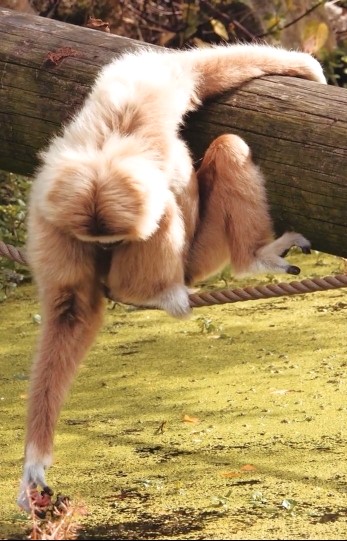
この記念日は、国際自然保護連合(IUCN)の霊長類専門家グループ「テナガザル部門」によって2015年に制定されました。霊長類のなかでも特に絶滅の危機に瀕しているテナガザルの現状を広く知らせ、保全・保護活動への意識向上を目的としています。世界各地の動物園などで、テナガザルに関する啓発活動が行われる日です。
どんな動物?
テナガザルは尾がなく、類人猿の仲間に分類されます。最も大きな特徴は、極端に長い前肢で、これを使って木の枝から枝へダイナミックに飛び移る「ブラキエーション(腕渡り)」という移動方法を得意とします。一日のほとんどを樹上で過ごし、地上に降りることは稀です。多くはオスとメス、そして子どもからなる家族単位の群れで生活し、なわばりの防衛や家族の絆を強めるために、よく通る美しい「歌声」を響かせます。体毛の色や大きさは種によって様々です。
Pitten ZOO:テナガザルを動画でみる
詳しい情報
「国際テナガザルの日(International Gibbon Day)」は、2015年に国際自然保護連合(IUCN)の霊長類専門家グループのテナガザル部門によって制定されました。毎年10月24日が国際テナガザルの日と定められています。
テナガザルは、地球上に生息する霊長類の中で、最も絶滅の危機に瀕しているグループの一つです。テナガザル科にはいくつかの属、そして多くの種が存在しますが、そのほとんどが熱帯雨林の破壊、違法な狩猟、ペットとしての違法取引など、人為的な活動により生息数を大きく減らしています。特に森林伐採による生息地の分断は、樹上生活を送るテナガザルにとって致命的な影響を与えています。
この記念日制定の目的は、こうしたテナガザルが直面している危機的な状況について、国際的な関心を高めることです。テナガザルの保全に向けた研究、密猟の防止、生息地の保護、そして持続可能な森林管理の重要性について、世界中の人々に知ってもらい、行動を促すための重要な機会となっています。
国際テナガザルの日には、世界各地の動物園や保護団体などが、テナガザルの特別ガイド、講演会、展示、クイズ大会などのイベントを実施し、テナガザルの生態や保全の必要性について広く啓発活動を行っています。こうしたイベントは、来園者がテナガザルへの理解を深め、日常生活における選択が生息地の保全にどのように繋がるかを考えるきっかけを提供しています。
参照
・IUCN(国際自然保護連合)
・10月24日は国際テナガザルの日です。(東山動植物園):
https://www.higashiyama.city.nagoya.jp/blog/2021/10/1024.html
・2021年10月24日は「国際テナガザルの日」です(東京ズーネット):
https://www.tokyo-zoo.net/topic/topics_detail?kind=news&inst=ueno&link_num=27062
どんな動物?
テナガザルは尾がなく、類人猿の仲間に分類されます。最も大きな特徴は、極端に長い前肢で、これを使って木の枝から枝へダイナミックに飛び移る「ブラキエーション(腕渡り)」という移動方法を得意とします。一日のほとんどを樹上で過ごし、地上に降りることは稀です。多くはオスとメス、そして子どもからなる家族単位の群れで生活し、なわばりの防衛や家族の絆を強めるために、よく通る美しい「歌声」を響かせます。体毛の色や大きさは種によって様々です。
Pitten ZOO:テナガザルを動画でみる
詳しい情報
「国際テナガザルの日(International Gibbon Day)」は、2015年に国際自然保護連合(IUCN)の霊長類専門家グループのテナガザル部門によって制定されました。毎年10月24日が国際テナガザルの日と定められています。
テナガザルは、地球上に生息する霊長類の中で、最も絶滅の危機に瀕しているグループの一つです。テナガザル科にはいくつかの属、そして多くの種が存在しますが、そのほとんどが熱帯雨林の破壊、違法な狩猟、ペットとしての違法取引など、人為的な活動により生息数を大きく減らしています。特に森林伐採による生息地の分断は、樹上生活を送るテナガザルにとって致命的な影響を与えています。
この記念日制定の目的は、こうしたテナガザルが直面している危機的な状況について、国際的な関心を高めることです。テナガザルの保全に向けた研究、密猟の防止、生息地の保護、そして持続可能な森林管理の重要性について、世界中の人々に知ってもらい、行動を促すための重要な機会となっています。
国際テナガザルの日には、世界各地の動物園や保護団体などが、テナガザルの特別ガイド、講演会、展示、クイズ大会などのイベントを実施し、テナガザルの生態や保全の必要性について広く啓発活動を行っています。こうしたイベントは、来園者がテナガザルへの理解を深め、日常生活における選択が生息地の保全にどのように繋がるかを考えるきっかけを提供しています。
参照
・IUCN(国際自然保護連合)
・10月24日は国際テナガザルの日です。(東山動植物園):
https://www.higashiyama.city.nagoya.jp/blog/2021/10/1024.html
・2021年10月24日は「国際テナガザルの日」です(東京ズーネット):
https://www.tokyo-zoo.net/topic/topics_detail?kind=news&inst=ueno&link_num=27062
ENGLISH
October 24th is International Gibbon Day.
This commemorative day was established in 2015 by the Gibbon Section of the Primate Specialist Group of the International Union for Conservation of Nature (IUCN). Its purpose is to widely publicize the current status of gibbons, which are particularly endangered among primates, and to raise awareness for conservation and protection activities. It is a day when educational activities about gibbons are held at zoos and other locations around the world.
What kind of animal is it? Gibbons are tailless and classified as apes. Their most distinctive feature is their extremely long forelimbs, which they use to master the method of locomotion called "brachiation" (arm swinging), dynamically leaping from branch to branch. They spend most of their day in the trees and rarely descend to the ground. Most live in family units consisting of a male, a female, and their offspring. They use a clear, beautiful "song" to defend their territory and strengthen family bonds. Their fur color and size vary by species.
Pitten ZOO:Watch a video of gibbons
Detailed Information
"International Gibbon Day" was established in 2015 by the Gibbon Section of the Primate Specialist Group of the International Union for Conservation of Nature (IUCN). October 24th is designated as International Gibbon Day every year.
Gibbons are one of the most endangered groups of primates on Earth. The Hylobatidae family includes several genera and many species, but the majority have seen their populations significantly reduced due to human activities such as tropical rainforest destruction, illegal hunting, and the illegal pet trade. In particular, the fragmentation of their habitat due to deforestation has a fatal impact on gibbons, who live primarily in the trees.
The purpose of establishing this commemorative day is to raise international awareness about the critical situation gibbons are facing. It is an important opportunity to inform people worldwide about the importance of research for gibbon conservation, prevention of poaching, habitat protection, and sustainable forest management, and to encourage action.
On International Gibbon Day, zoos and conservation organizations around the world conduct wide-ranging educational activities about the ecology of gibbons and the need for their conservation, hosting events such as special guided tours, lectures, exhibitions, and quiz competitions. These events provide visitors with a chance to deepen their understanding of gibbons and reflect on how their daily choices can contribute to habitat conservation.
References
・IUCN (International Union for Conservation of Nature)
・October 24th is International Gibbon Day. (Higashiyama Zoo and Botanical Gardens):
https://www.higashiyama.city.nagoya.jp/blog/2021/10/1024.html
・October 24, 2021, is "International Gibbon Day" (Tokyo Zoo Net):
https://www.tokyo-zoo.net/topic/topics_detail?kind=news&inst=ueno&link_num=27062
What kind of animal is it? Gibbons are tailless and classified as apes. Their most distinctive feature is their extremely long forelimbs, which they use to master the method of locomotion called "brachiation" (arm swinging), dynamically leaping from branch to branch. They spend most of their day in the trees and rarely descend to the ground. Most live in family units consisting of a male, a female, and their offspring. They use a clear, beautiful "song" to defend their territory and strengthen family bonds. Their fur color and size vary by species.
Pitten ZOO:Watch a video of gibbons
Detailed Information
"International Gibbon Day" was established in 2015 by the Gibbon Section of the Primate Specialist Group of the International Union for Conservation of Nature (IUCN). October 24th is designated as International Gibbon Day every year.
Gibbons are one of the most endangered groups of primates on Earth. The Hylobatidae family includes several genera and many species, but the majority have seen their populations significantly reduced due to human activities such as tropical rainforest destruction, illegal hunting, and the illegal pet trade. In particular, the fragmentation of their habitat due to deforestation has a fatal impact on gibbons, who live primarily in the trees.
The purpose of establishing this commemorative day is to raise international awareness about the critical situation gibbons are facing. It is an important opportunity to inform people worldwide about the importance of research for gibbon conservation, prevention of poaching, habitat protection, and sustainable forest management, and to encourage action.
On International Gibbon Day, zoos and conservation organizations around the world conduct wide-ranging educational activities about the ecology of gibbons and the need for their conservation, hosting events such as special guided tours, lectures, exhibitions, and quiz competitions. These events provide visitors with a chance to deepen their understanding of gibbons and reflect on how their daily choices can contribute to habitat conservation.
References
・IUCN (International Union for Conservation of Nature)
・October 24th is International Gibbon Day. (Higashiyama Zoo and Botanical Gardens):
https://www.higashiyama.city.nagoya.jp/blog/2021/10/1024.html
・October 24, 2021, is "International Gibbon Day" (Tokyo Zoo Net):
https://www.tokyo-zoo.net/topic/topics_detail?kind=news&inst=ueno&link_num=27062
[ 2025.10.10 ] 【Pitten ZOO】2025年10月18日は、「国際ナマケモノの日」です。

10月の第3土曜日は、国際ナマケモノの日です。
ナマケモノの保護と研究に特化した非営利団体であるAIUNAUは、2010年11月に第1回ナマケモノ国際会議を主催し、この会議で10月の第3土曜日を「国際ナマケモノの日」として制定しました。
どんな動物?
ナマケモノはゆっくり動く動物で、ほとんどの時間を木の枝にぶら下がって過ごし、主食は葉や新芽です。擬態として頭を前脚の間に隠し、捕食者から身を守ります。泳ぐのは得意で、食事は少量で済みます。
Pitten ZOO:ナマケモノを動画でみる
ナマケモノの日の特別な祝い方
ナマケモノの日は、もちろん野生のナマケモノの保護や研究、生息地の保全に焦点を当てる日でもあります。この日を通じて、これらの活動を支援し、ナマケモノたちの未来を守るための意識を高めることが大切です。しかし、ナマケモノの日には他にも特別な祝い方があります。それは、ナマケモノのゆったりとした生き方に倣って、一日を「スローライフ」で過ごすことです。
普段の忙しい日常から少し離れて、時間をかけて自分を見つめ直し、心と体をリラックスさせてましょう。読書や音楽鑑賞、普段なかなかできないことをゆっくりと楽しんでみてはいかがでしょうか。
この日を通じて、普段の慌ただしい生活のペースを一時的に止めて、自分自身に休息の時間を与えることは、ナマケモノのように自然の流れを感じながら生きる喜びを再発見するチャンスでもあります。
AIUNAUとは
AIUNAUは、南米のコロンビアに拠点を置く非営利団体で、ナマケモノ保護に関する国際的な認識を高めるのに貢献しています。この団体による「国際ナマケモノの日」の制定は、世界中でナマケモノの保護と研究に注目が集まるきっかけとなりました。
AIUNAUの取り組みは、ナマケモノという特殊な動物の保護を通じて、生物多様性の重要性や熱帯雨林の保全など、より広範な環境問題にも人々の関心を向けさせる役割を果たしています。
aiunau.org
ナマケモノの保護と研究に特化した非営利団体であるAIUNAUは、2010年11月に第1回ナマケモノ国際会議を主催し、この会議で10月の第3土曜日を「国際ナマケモノの日」として制定しました。
どんな動物?
ナマケモノはゆっくり動く動物で、ほとんどの時間を木の枝にぶら下がって過ごし、主食は葉や新芽です。擬態として頭を前脚の間に隠し、捕食者から身を守ります。泳ぐのは得意で、食事は少量で済みます。
Pitten ZOO:ナマケモノを動画でみる
ナマケモノの日の特別な祝い方
ナマケモノの日は、もちろん野生のナマケモノの保護や研究、生息地の保全に焦点を当てる日でもあります。この日を通じて、これらの活動を支援し、ナマケモノたちの未来を守るための意識を高めることが大切です。しかし、ナマケモノの日には他にも特別な祝い方があります。それは、ナマケモノのゆったりとした生き方に倣って、一日を「スローライフ」で過ごすことです。
普段の忙しい日常から少し離れて、時間をかけて自分を見つめ直し、心と体をリラックスさせてましょう。読書や音楽鑑賞、普段なかなかできないことをゆっくりと楽しんでみてはいかがでしょうか。
この日を通じて、普段の慌ただしい生活のペースを一時的に止めて、自分自身に休息の時間を与えることは、ナマケモノのように自然の流れを感じながら生きる喜びを再発見するチャンスでもあります。
AIUNAUとは
AIUNAUは、南米のコロンビアに拠点を置く非営利団体で、ナマケモノ保護に関する国際的な認識を高めるのに貢献しています。この団体による「国際ナマケモノの日」の制定は、世界中でナマケモノの保護と研究に注目が集まるきっかけとなりました。
AIUNAUの取り組みは、ナマケモノという特殊な動物の保護を通じて、生物多様性の重要性や熱帯雨林の保全など、より広範な環境問題にも人々の関心を向けさせる役割を果たしています。
aiunau.org
ENGLISH
October 18, 2025 is International Sloth Day.
The third Saturday in October is International Sloth Day.
AIUNAU, a nonprofit organization dedicated to the conservation and research of sloths, hosted the first International Sloth Congress in November 2010. At this congress, the third Saturday of October was established as "International Sloth Day."
What kind of animal?
Sloths are slow-moving animals that spend most of their time hanging from tree branches, with a diet primarily consisting of leaves and new shoots. To camouflage themselves, they hide their heads between their front legs, protecting themselves from predators. They are excellent swimmers and can survive on small amounts of food.
Pitten ZOO:
Watch a sloth video
Special Ways to Celebrate International Sloth Day
International Sloth Day is, of course, a day to focus on the conservation, research, and habitat preservation of wild sloths. It's important to raise awareness and support these efforts to protect the future of sloths. However, there’s another special way to celebrate International Sloth Day: by embracing the sloth's slow lifestyle and spending the day practicing a "slow life."
Take a break from your busy routine, reflect on yourself, and relax both mind and body. Why not take time to enjoy reading, listening to music, or slowly indulging in activities you rarely get to do?
On this day, taking a temporary pause from the usual hectic pace of life and giving yourself time to rest can also be an opportunity to rediscover the joy of living in tune with nature, much like a sloth.
What is AIUNAU?
AIUNAU is a nonprofit organization based in Colombia, South America, and it plays a key role in raising international awareness about sloth conservation. The establishment of "International Sloth Day" by this organization has sparked global interest in the protection and study of sloths.
Through their efforts to protect sloths, AIUNAU also helps draw attention to broader environmental issues, such as the importance of biodiversity and tropical rainforest conservation.
aiunau.org
AIUNAU, a nonprofit organization dedicated to the conservation and research of sloths, hosted the first International Sloth Congress in November 2010. At this congress, the third Saturday of October was established as "International Sloth Day."
What kind of animal?
Sloths are slow-moving animals that spend most of their time hanging from tree branches, with a diet primarily consisting of leaves and new shoots. To camouflage themselves, they hide their heads between their front legs, protecting themselves from predators. They are excellent swimmers and can survive on small amounts of food.
Pitten ZOO:
Watch a sloth video
Special Ways to Celebrate International Sloth Day
International Sloth Day is, of course, a day to focus on the conservation, research, and habitat preservation of wild sloths. It's important to raise awareness and support these efforts to protect the future of sloths. However, there’s another special way to celebrate International Sloth Day: by embracing the sloth's slow lifestyle and spending the day practicing a "slow life."
Take a break from your busy routine, reflect on yourself, and relax both mind and body. Why not take time to enjoy reading, listening to music, or slowly indulging in activities you rarely get to do?
On this day, taking a temporary pause from the usual hectic pace of life and giving yourself time to rest can also be an opportunity to rediscover the joy of living in tune with nature, much like a sloth.
What is AIUNAU?
AIUNAU is a nonprofit organization based in Colombia, South America, and it plays a key role in raising international awareness about sloth conservation. The establishment of "International Sloth Day" by this organization has sparked global interest in the protection and study of sloths.
Through their efforts to protect sloths, AIUNAU also helps draw attention to broader environmental issues, such as the importance of biodiversity and tropical rainforest conservation.
aiunau.org
[ 2025.10.08 ] 【Pitten TRAVEL】10月9日は、ウガンダ共和国の独立記念日です
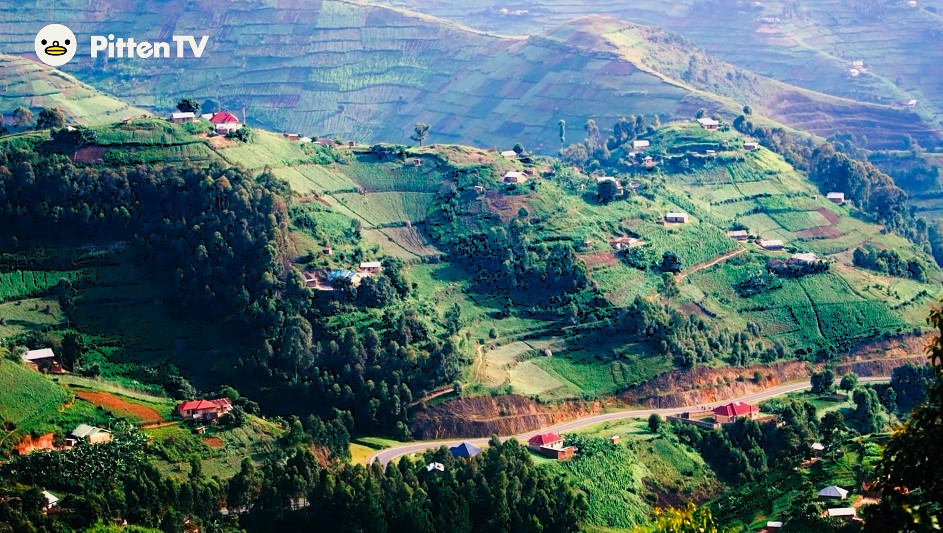
ウガンダの独立記念日は、1962年10月9日にイギリスの保護領から独立を果たしたことを記念する国民の祝日です。独立以前のウガンダは、1894年からイギリスの支配下に置かれていました。第二次世界大戦後に高まった民族運動の結果、独立が認められ、この日が記念日として制定されました。
どんな国?
ウガンダ共和国はアフリカ大陸東部に位置し、赤道直下にあります。「アフリカの真珠」とも呼ばれ、ビクトリア湖をはじめとする豊かな水資源と自然に恵まれた内陸国です。ゴリラ・トラッキングで知られるブルンジとの国境付近にあるブウィンディ原生国立公園など、多様な野生動物が生息するサファリ観光地としても人気があります。首都はカンパラで、公用語は英語とスワヒリ語です。
Pitten TRAVEL:ウガンダ共和国を動画でみる
【詳しい情報】
ウガンダの独立記念日は、1962年10月9日に、それまで68年間続いていたイギリスの保護領支配が終わりを告げ、ウガンダが主権国家として新たな一歩を踏み出した日を記念するものです。この日はウガンダの歴史における重要な転換点であり、国民にとって自由と自治の達成を象徴する日として、毎年盛大に祝われます。
独立に至るまでには、19世紀後半にヨーロッパ列強によるアフリカ分割が進む中で、ウガンダ地域がイギリスの勢力圏に入り、1894年にイギリス保護領が宣言されました。その後、植民地支配下でインフラ整備などが進められましたが、同時に民族運動も高まりを見せ、特に第二次世界大戦後は独立への機運が加速しました。
独立記念日の主な祝賀行事は、通常、首都カンパラを中心に行われます。国家元首が出席する公式な式典が開かれ、軍のパレードや文化的な演舞が披露されます。国民は、国旗の色(黒・黄・赤)を身に着けたり、家族や友人と集まって食事をしたりするなど、それぞれの方法でこの日を祝います。また、歴史的な出来事を振り返り、国家建設の父たちに敬意を表する日でもあります。独立後のウガンダは、政情不安やクーデター、内戦といった困難な時期も経験しましたが、この記念日は、国民が一体となって平和と繁栄への願いを新たにする機会となっています。独立記念日の行事は、ウガンダ全土の学校や地方行政区でも行われ、国民のアイデンティティと愛国心を育む上で重要な役割を果たしています。
どんな国?
ウガンダ共和国はアフリカ大陸東部に位置し、赤道直下にあります。「アフリカの真珠」とも呼ばれ、ビクトリア湖をはじめとする豊かな水資源と自然に恵まれた内陸国です。ゴリラ・トラッキングで知られるブルンジとの国境付近にあるブウィンディ原生国立公園など、多様な野生動物が生息するサファリ観光地としても人気があります。首都はカンパラで、公用語は英語とスワヒリ語です。
Pitten TRAVEL:ウガンダ共和国を動画でみる
【詳しい情報】
ウガンダの独立記念日は、1962年10月9日に、それまで68年間続いていたイギリスの保護領支配が終わりを告げ、ウガンダが主権国家として新たな一歩を踏み出した日を記念するものです。この日はウガンダの歴史における重要な転換点であり、国民にとって自由と自治の達成を象徴する日として、毎年盛大に祝われます。
独立に至るまでには、19世紀後半にヨーロッパ列強によるアフリカ分割が進む中で、ウガンダ地域がイギリスの勢力圏に入り、1894年にイギリス保護領が宣言されました。その後、植民地支配下でインフラ整備などが進められましたが、同時に民族運動も高まりを見せ、特に第二次世界大戦後は独立への機運が加速しました。
独立記念日の主な祝賀行事は、通常、首都カンパラを中心に行われます。国家元首が出席する公式な式典が開かれ、軍のパレードや文化的な演舞が披露されます。国民は、国旗の色(黒・黄・赤)を身に着けたり、家族や友人と集まって食事をしたりするなど、それぞれの方法でこの日を祝います。また、歴史的な出来事を振り返り、国家建設の父たちに敬意を表する日でもあります。独立後のウガンダは、政情不安やクーデター、内戦といった困難な時期も経験しましたが、この記念日は、国民が一体となって平和と繁栄への願いを新たにする機会となっています。独立記念日の行事は、ウガンダ全土の学校や地方行政区でも行われ、国民のアイデンティティと愛国心を育む上で重要な役割を果たしています。
ENGLISH
October 9 is Independence Day in the Republic of Uganda.
Uganda’s Independence Day is a national holiday celebrated on October 9, marking the country’s independence from British protectorate rule in 1962. Before gaining independence, Uganda had been under British control since 1894. Following the rise of nationalist movements after World War II, the country was granted independence, and this day was established to commemorate that achievement.
What kind of country is Uganda?
The Republic of Uganda is located in East Africa, right on the equator. Often called the “Pearl of Africa,” it is a landlocked country blessed with abundant natural beauty and water resources, including Lake Victoria. Uganda is also famous as a safari destination rich in wildlife, such as Bwindi Impenetrable National Park near the border with Burundi, known for its gorilla trekking. The capital city is Kampala, and the official languages are English and Swahili.
Pitten TRAVEL: Watch a video about the Republic of Uganda
---
### More about Uganda’s Independence Day
Uganda’s Independence Day commemorates October 9, 1962, when the country ended 68 years of British protectorate rule and took its first steps as a sovereign nation. It marks a crucial turning point in Uganda’s history—a day that symbolizes freedom and self-determination for its people and is celebrated nationwide with great pride each year.
Uganda became a British protectorate in 1894, during the “Scramble for Africa” in the late 19th century when European powers divided the continent into colonies. While colonial rule brought the development of infrastructure, it also sparked the growth of nationalist movements. After World War II, the call for independence grew stronger, ultimately leading to liberation in 1962.
Today, the main Independence Day celebrations are held in the capital, Kampala. Official ceremonies attended by national leaders include military parades and cultural performances. Citizens proudly wear the national colors—black, yellow, and red—and celebrate with family and friends. The day is also a time to honor the founding fathers who fought for independence and to reflect on the nation’s journey.
Although Uganda has faced political instability, coups, and civil conflicts since independence, this day remains a unifying occasion for citizens to renew their hopes for peace and prosperity. Independence Day events are held not only in the capital but also across schools and local communities nationwide, playing an important role in nurturing national identity and patriotism.
What kind of country is Uganda?
The Republic of Uganda is located in East Africa, right on the equator. Often called the “Pearl of Africa,” it is a landlocked country blessed with abundant natural beauty and water resources, including Lake Victoria. Uganda is also famous as a safari destination rich in wildlife, such as Bwindi Impenetrable National Park near the border with Burundi, known for its gorilla trekking. The capital city is Kampala, and the official languages are English and Swahili.
Pitten TRAVEL: Watch a video about the Republic of Uganda
---
### More about Uganda’s Independence Day
Uganda’s Independence Day commemorates October 9, 1962, when the country ended 68 years of British protectorate rule and took its first steps as a sovereign nation. It marks a crucial turning point in Uganda’s history—a day that symbolizes freedom and self-determination for its people and is celebrated nationwide with great pride each year.
Uganda became a British protectorate in 1894, during the “Scramble for Africa” in the late 19th century when European powers divided the continent into colonies. While colonial rule brought the development of infrastructure, it also sparked the growth of nationalist movements. After World War II, the call for independence grew stronger, ultimately leading to liberation in 1962.
Today, the main Independence Day celebrations are held in the capital, Kampala. Official ceremonies attended by national leaders include military parades and cultural performances. Citizens proudly wear the national colors—black, yellow, and red—and celebrate with family and friends. The day is also a time to honor the founding fathers who fought for independence and to reflect on the nation’s journey.
Although Uganda has faced political instability, coups, and civil conflicts since independence, this day remains a unifying occasion for citizens to renew their hopes for peace and prosperity. Independence Day events are held not only in the capital but also across schools and local communities nationwide, playing an important role in nurturing national identity and patriotism.
[ 2025.10.06 ] 【Pitten ZOO】ゼニガタアザラシ(銭形海豹)が仲間になりました
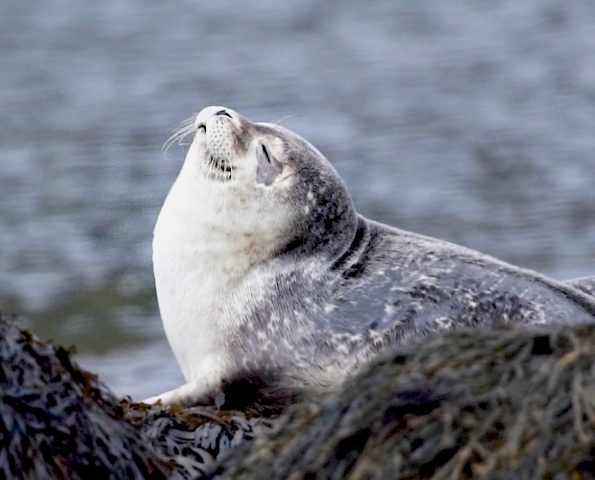
ゼニガタアザラシは、体の模様がまるで銭(古いお金)のように見えることから、その名がついた日本近海にも棲息するアザラシです。北海道の沿岸などに生息しており、丸い体にかわいらしい黒い模様が特徴。愛嬌たっぷりの表情と、陸上でのんびりくつろぐ姿に癒されます。
Pitten ZOO:ゼニガタアザラシを動画でみる
Pitten ZOO:ゼニガタアザラシを動画でみる
ENGLISH
The harbor seal has joined our zoo.
The harbor seal, known in Japanese as the Zenigata Azarashi, gets its name from the coin-like patterns on its body that resemble old Japanese coins. These seals inhabit coastal areas around Japan, especially along the shores of Hokkaido. With their round bodies and charming black spots, they’re easily recognizable. Their endearing expressions and the relaxed way they lounge on land never fail to bring a smile to those who see them.
Pitten ZOO:Watch a video of harbor seals
Pitten ZOO:Watch a video of harbor seals
[ 2025.09.25 ] 【Pitten ZOO】9月の最終金曜日は、「Save the Koala Day」です。
Last update : 2025.09.28

9月の最終金曜日は、Save the Koara day(コアラを救う日)です。この日は、オーストラリア固有の種であるコアラが直面している課題について啓発するために設けられました。
どんな動物?
コアラは、ほとんど樹上で生活し、おもに夜行性です。性質はおだやかで、陸上をゆっくりと歩いて木から木へ移動します。主食はユーカリの葉です。
Pitten ZOO:コアラを動画でみる
経緯
1986年、AKF=オーストラリアコアラ財団(当初は協会)が獣医科学者たちによって設立されました。最初のコアラを救う日は2008年9月26日にクイーンズランド州のドリームワールドで祝われました。それ以来、コアラの窮状とその自然生息地を保護することの重要性を強調する重要なイベントに成長しました。
AKFのホームページ:https://www.savethekoala.com/
どんな動物?
コアラは、ほとんど樹上で生活し、おもに夜行性です。性質はおだやかで、陸上をゆっくりと歩いて木から木へ移動します。主食はユーカリの葉です。
Pitten ZOO:コアラを動画でみる
経緯
1986年、AKF=オーストラリアコアラ財団(当初は協会)が獣医科学者たちによって設立されました。最初のコアラを救う日は2008年9月26日にクイーンズランド州のドリームワールドで祝われました。それ以来、コアラの窮状とその自然生息地を保護することの重要性を強調する重要なイベントに成長しました。
AKFのホームページ:https://www.savethekoala.com/
ENGLISH
The last Friday in September is "Save the Koala Day."
The last Friday in September is Save the Koara day, a day set aside to raise awareness of the challenges facing Australia's native koala species. The day was created to raise awareness of the challenges facing the koala, an endemic species of Australia.
What kind of animal is it?
Koalas live mostly in trees and are primarily nocturnal. They are gentle creatures, walking slowly on land from tree to tree. Their main diet is eucalyptus leaves.
Pitten ZOO: Watch a video of a koala
History
In 1986, the Australian Koala Foundation (originally the Association) was founded by veterinary scientists. The first Save the Koala day was celebrated on September 26th 2008 at Dreamworld in Queensland. Since then it has grown into an important event highlighting the plight of koalas and the importance of protecting their natural habitat.
AKF : https://www.savethekoala.com/
What kind of animal is it?
Koalas live mostly in trees and are primarily nocturnal. They are gentle creatures, walking slowly on land from tree to tree. Their main diet is eucalyptus leaves.
Pitten ZOO: Watch a video of a koala
History
In 1986, the Australian Koala Foundation (originally the Association) was founded by veterinary scientists. The first Save the Koala day was celebrated on September 26th 2008 at Dreamworld in Queensland. Since then it has grown into an important event highlighting the plight of koalas and the importance of protecting their natural habitat.
AKF : https://www.savethekoala.com/