EN
JA



[ 2026.06.17 ] 【Pitten TRAVEL】6月17日は、アイスランドの独立記念日です。
Last update : 2026.06.16
6月17日はアイスランドの独立記念日で、デンマークの支配下で自治権獲得活動をリードしたヨン・シグルズソンの誕生日でもあります。
1944年6月17日に、アイスランドはデンマークから独立し、アイスランド共和国として完全な独立国となりました。 この日を記念して、アイスランド国内では様々なイベントが開催されます。独立記念日当日は祝日となり、翌日の月曜日も休日となります。 国民はこの機会にヨン・シグルズソンを中心とした独立運動を祝福し、アイスランドの自由と主権を称えます。
アイスランドってどんな国?
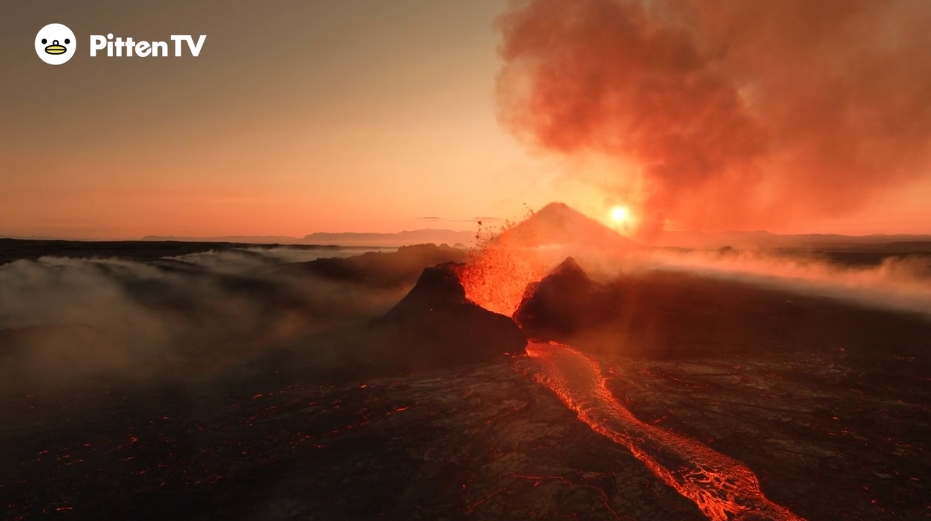
アイスランドは、北ヨーロッパのアイスランド島を主な領土とする島国です。火山が多く豊富な地熱を発電などに活用しています。また、島内には数多くの氷河や滝があり、大迫力の自然が観光の目玉となっています。
Pitten TRAVEL:アイスランドを動画で旅する
1944年6月17日に、アイスランドはデンマークから独立し、アイスランド共和国として完全な独立国となりました。 この日を記念して、アイスランド国内では様々なイベントが開催されます。独立記念日当日は祝日となり、翌日の月曜日も休日となります。 国民はこの機会にヨン・シグルズソンを中心とした独立運動を祝福し、アイスランドの自由と主権を称えます。
アイスランドってどんな国?
アイスランドは、北ヨーロッパのアイスランド島を主な領土とする島国です。火山が多く豊富な地熱を発電などに活用しています。また、島内には数多くの氷河や滝があり、大迫力の自然が観光の目玉となっています。
Pitten TRAVEL:アイスランドを動画で旅する
ENGLISH
June 17th is Iceland's Independence Day.
June 17th is Iceland's Independence Day, and it is also the birthday of Jon Sigurdsson, who led the movement to gain autonomy under Danish rule.
On June 17th, 1944, Iceland gained independence from Denmark and became a fully independent country as the Republic of Iceland. To commemorate this day, various events are held in Iceland. Independence Day itself is a national holiday, and the following Monday is also a holiday. The people take this opportunity to celebrate the independence movement led by Jon Sigurdsson and to praise Iceland's freedom and sovereignty.
What kind of country is Iceland?
Iceland is an island nation in Northern Europe, whose main territory is the island of Iceland. It has many volcanoes and utilizes abundant geothermal energy for power generation and other purposes. There are also numerous glaciers and waterfalls on the island, and the spectacular nature is a major tourist attraction.
Pitten TRAVEL: Travel around Iceland with videos
On June 17th, 1944, Iceland gained independence from Denmark and became a fully independent country as the Republic of Iceland. To commemorate this day, various events are held in Iceland. Independence Day itself is a national holiday, and the following Monday is also a holiday. The people take this opportunity to celebrate the independence movement led by Jon Sigurdsson and to praise Iceland's freedom and sovereignty.
What kind of country is Iceland?
Iceland is an island nation in Northern Europe, whose main territory is the island of Iceland. It has many volcanoes and utilizes abundant geothermal energy for power generation and other purposes. There are also numerous glaciers and waterfalls on the island, and the spectacular nature is a major tourist attraction.
Pitten TRAVEL: Travel around Iceland with videos
[ 2026.06.16 ] 【Pitten ZOO】6月16日は、世界ウミガメの日です。
世界ウミガメの日は、国連環境計画(UNEP)が主体となって提唱し、2001年にインド洋・東南アジアのウミガメ保護のための政府間覚書が発効した際に定められました。この記念日は、ウミガメの保護の重要性を広く知ってもらうことを目的としています。
ウミガメってどんな動物?
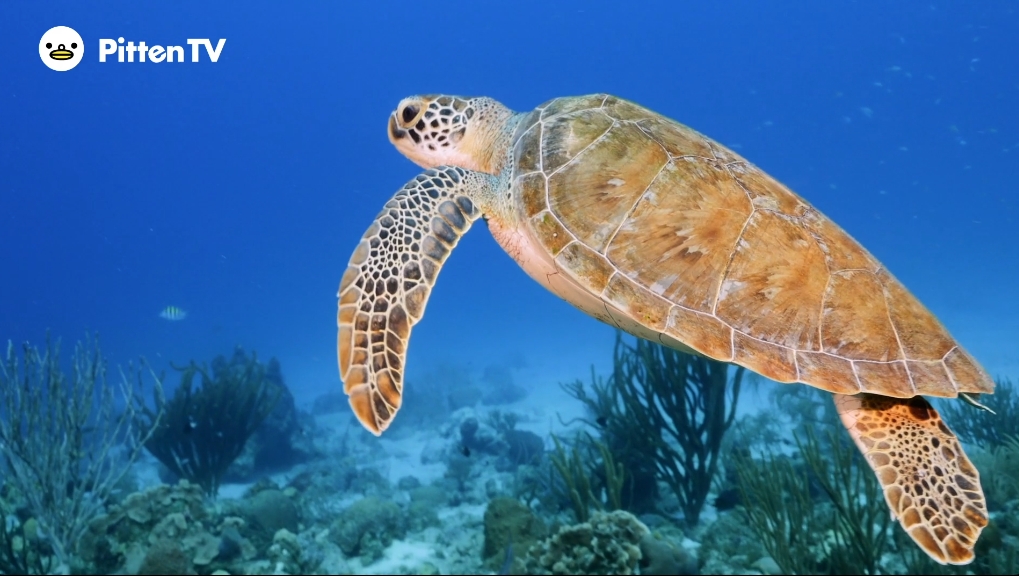
ウミガメは海で生活し、陸上にはほとんど上がりません。泳ぐ際には前脚を使って水をかき、後脚で舵を取ります。餌は海中で採取し、海草や海綿動物、クラゲ、魚類、甲殻類などを食べます。
ウミガメを動画で見る
ウミガメってどんな動物?
ウミガメは海で生活し、陸上にはほとんど上がりません。泳ぐ際には前脚を使って水をかき、後脚で舵を取ります。餌は海中で採取し、海草や海綿動物、クラゲ、魚類、甲殻類などを食べます。
ウミガメを動画で見る
ENGLISH
June 16th is World Sea Turtle Day.
World Sea Turtle Day was established in 2001 when the Intergovernmental Memorandum for the Protection of Sea Turtles in the Indian Ocean and Southeast Asia came into force, with the United Nations Environment Program (UNEP) taking the lead. The aim is to spread awareness about the importance of protecting sea turtles.
What kind of animal is a sea turtle?
Sea turtles live in the sea and rarely come onto land. , and eat crustaceans.
Watch sea turtle video
What kind of animal is a sea turtle?
Sea turtles live in the sea and rarely come onto land. , and eat crustaceans.
Watch sea turtle video
[ 2026.06.14 ] 【Pitten ZOO】6月15日は、オウムとインコの日です。
Last update : 2026.06.16
「06/15」のごろ合わせから、「06」をオウム、「15」をインコと読めることから、オウムとインコの日として「認定NPO法人TSUBASA」によって制定されました。
この日は、オウムとインコなどペットとしての鳥類を適正に飼育し、愛情を持って接する啓蒙活動などを行う千葉県富津市の団体「認定NPO法人TSUBASA」が制定しました。
この日は世界中の亡くなった鳥たちの供養とコンパニオンバードとしての鳥たちの幸せを願う日です。
オウムとインコってどんな鳥?
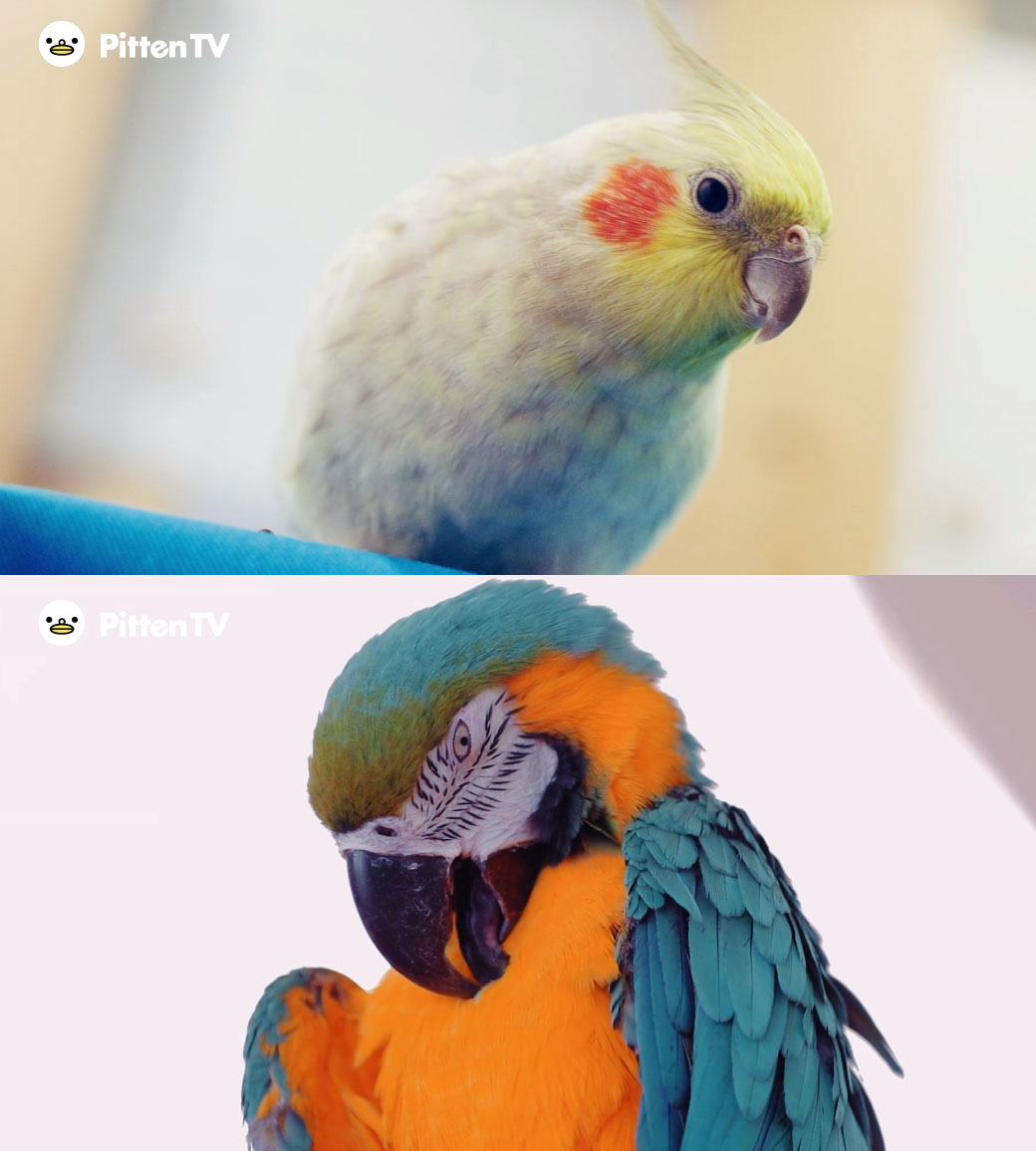
オウムとインコは、同じオウム目(インコ目とも言う)に属しており、混同されがちですが、動かせる冠毛(=頭部に生えた特徴的な羽根)を持つ方がオウムです。インコは一般的に派手な羽毛を持っています。
赤い頬が可愛いオカメインコは、実はオウムの仲間です。その証拠に立派な冠羽があります。
Pitten ZOO:オウムを動画で見る
Pitten ZOO:インコを動画で見る
(参考)
・認定NPO法人TSUBASA:https://www.tsubasa.ne.jp/
・一般社団法人日本記念日協会:https://www.kinenbi.gr.jp/
オウムとインコのペットとしての歴史
オウムとインコは古くからペットとして飼育されてきました。ヨーロッパでは1世紀の初めにホンセイインコが飼われていたことが記録されています。
日本では奈良時代の「日本書紀」にオウムの記録があり、江戸時代には著名な絵師「伊藤 若冲」の作品にもオウムやインコが描かれていました。明治時代末期にはセキセイインコが輸入され、庶民の間でもインコ・オウムのペット飼育が定着しました。
1960年頃(昭和40年代)からは手乗り文鳥やインコブームが到来し、世界中でオカメインコの豊富なカラーバリエーションが誕生したことで、日本ではオカメインコの人気が高まりました。現在、日本で見られるインコ・オウムは400種のうち100種にも満たないと言われていますが、ペットとしては断トツの人気を誇るのがオカメインコです。
このように、オウムとインコは古くから人々に愛されてきたペットの仲間であり、特に日本ではオカメインコが長年にわたって最も身近で人気の高い種類となっています。
この日は、オウムとインコなどペットとしての鳥類を適正に飼育し、愛情を持って接する啓蒙活動などを行う千葉県富津市の団体「認定NPO法人TSUBASA」が制定しました。
この日は世界中の亡くなった鳥たちの供養とコンパニオンバードとしての鳥たちの幸せを願う日です。
オウムとインコってどんな鳥?
オウムとインコは、同じオウム目(インコ目とも言う)に属しており、混同されがちですが、動かせる冠毛(=頭部に生えた特徴的な羽根)を持つ方がオウムです。インコは一般的に派手な羽毛を持っています。
赤い頬が可愛いオカメインコは、実はオウムの仲間です。その証拠に立派な冠羽があります。
Pitten ZOO:オウムを動画で見る
Pitten ZOO:インコを動画で見る
(参考)
・認定NPO法人TSUBASA:https://www.tsubasa.ne.jp/
・一般社団法人日本記念日協会:https://www.kinenbi.gr.jp/
オウムとインコのペットとしての歴史
オウムとインコは古くからペットとして飼育されてきました。ヨーロッパでは1世紀の初めにホンセイインコが飼われていたことが記録されています。
日本では奈良時代の「日本書紀」にオウムの記録があり、江戸時代には著名な絵師「伊藤 若冲」の作品にもオウムやインコが描かれていました。明治時代末期にはセキセイインコが輸入され、庶民の間でもインコ・オウムのペット飼育が定着しました。
1960年頃(昭和40年代)からは手乗り文鳥やインコブームが到来し、世界中でオカメインコの豊富なカラーバリエーションが誕生したことで、日本ではオカメインコの人気が高まりました。現在、日本で見られるインコ・オウムは400種のうち100種にも満たないと言われていますが、ペットとしては断トツの人気を誇るのがオカメインコです。
このように、オウムとインコは古くから人々に愛されてきたペットの仲間であり、特に日本ではオカメインコが長年にわたって最も身近で人気の高い種類となっています。
ENGLISH
June 15th is Parrot and Parakeet Day in Japan.
Due to a phonetic play on 06/15, where 06 can be read as "Ou-mu" (cockatoo) and 15 as "In-ko" (parrot), June 15 has been established as Cockatoo and Parrot Day by the certified NPO TSUBASA.
This day was established by the certified NPO TSUBASA, a group in Futtsu, Chiba Prefecture, that promotes the proper care and affectionate interaction with pet birds such as cockatoos and parrots. It is a day to honor the memory of birds that have passed away around the world and to wish for the happiness of companion birds.
What kind of birds are parrots and parakeets?
Parrots and parakeets belong to the same order, Psittacidae, and are often confused, but parrots are the ones with crest hairs (characteristic feathers on their heads). Parakeets generally have showy plumage.
Pitten ZOO : Watch parrot video
Pitten ZOO : Watch parakeet video
(Reference)
Certified NPO TSUBASA: https://www.tsubasa.ne.jp/
Japan Memorial Day Association: https://www.kinenbi.gr.jp/
This day was established by the certified NPO TSUBASA, a group in Futtsu, Chiba Prefecture, that promotes the proper care and affectionate interaction with pet birds such as cockatoos and parrots. It is a day to honor the memory of birds that have passed away around the world and to wish for the happiness of companion birds.
What kind of birds are parrots and parakeets?
Parrots and parakeets belong to the same order, Psittacidae, and are often confused, but parrots are the ones with crest hairs (characteristic feathers on their heads). Parakeets generally have showy plumage.
Pitten ZOO : Watch parrot video
Pitten ZOO : Watch parakeet video
(Reference)
Certified NPO TSUBASA: https://www.tsubasa.ne.jp/
Japan Memorial Day Association: https://www.kinenbi.gr.jp/
[ 2026.06.06 ] 【Pitten ZOO】6月6日はヒツジの日です。
Last update : 2026.06.04
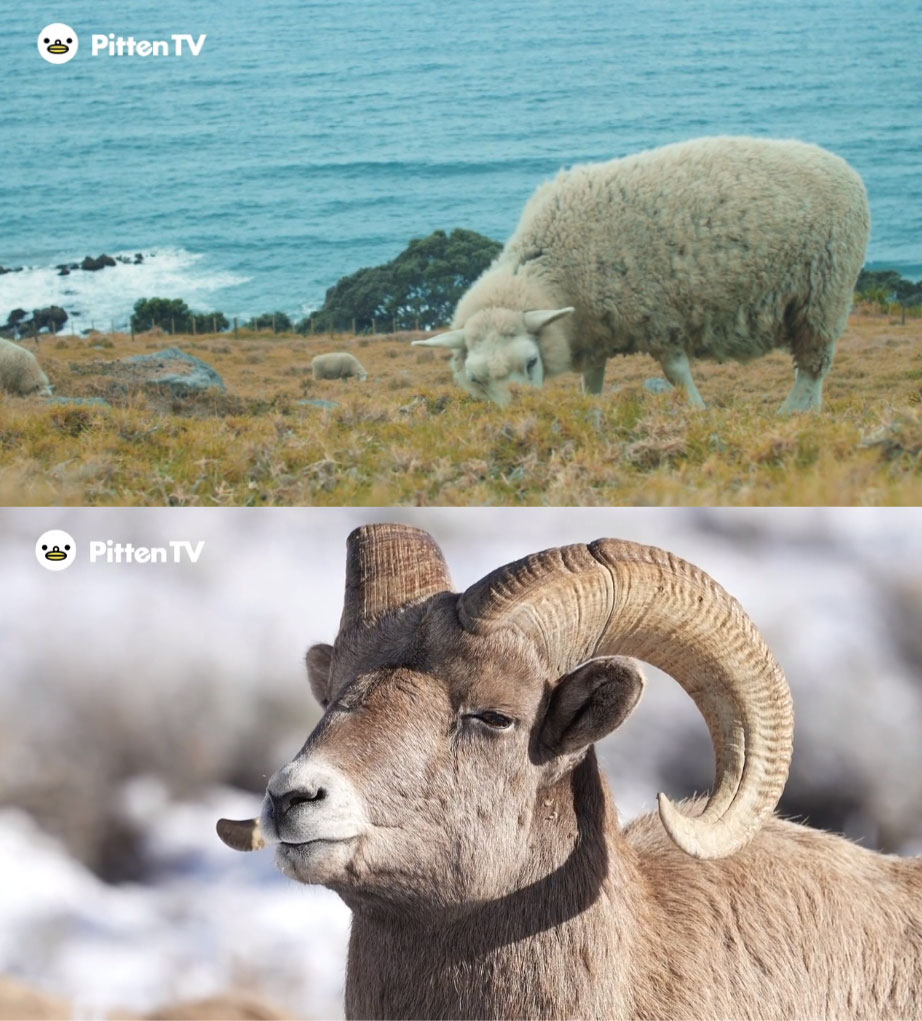
ヒツジの日は、株式会社メリーチョコレートカムパニーが2010年に制定しました。日付は、ヒツジの角がクルッと巻いていて数字の「6」に見え、左右にあることから「6」が2つ並んだこの日を記念日にしたものです。
どんな動物?
ヒツジは、もこもこの毛並みが特徴的な哺乳類です。草食動物で、群れで生活し、ウールや乳製品の原料として利用されています。温厚な性格で、穏やかな表情が人気です。
Pitten ZOO:ヒツジの動画をみる
どんな動物?
ヒツジは、もこもこの毛並みが特徴的な哺乳類です。草食動物で、群れで生活し、ウールや乳製品の原料として利用されています。温厚な性格で、穏やかな表情が人気です。
Pitten ZOO:ヒツジの動画をみる
ENGLISH
June 6th is Sheep Day in Japan.
Sheep Day was established in 2010 by the Japanese company Mary Chocolate Company. The date was chosen because a sheep's horns are curled up, resembling the number "6," and because there are two "6s" lined up on one side.
What kind of animal is it?
Sheep are mammals with distinctive fluffy fur. They are herbivores that live in groups and are used as a source of wool and dairy products. They are popular for their gentle nature and calm expression.
Pitten ZOO:Watch the sheep video
What kind of animal is it?
Sheep are mammals with distinctive fluffy fur. They are herbivores that live in groups and are used as a source of wool and dairy products. They are popular for their gentle nature and calm expression.
Pitten ZOO:Watch the sheep video
[ 2026.06.05 ] 【Pitten TRAVEL】6月6日は、スウェーデン王国の建国記念日です。
Last update : 2026.06.04
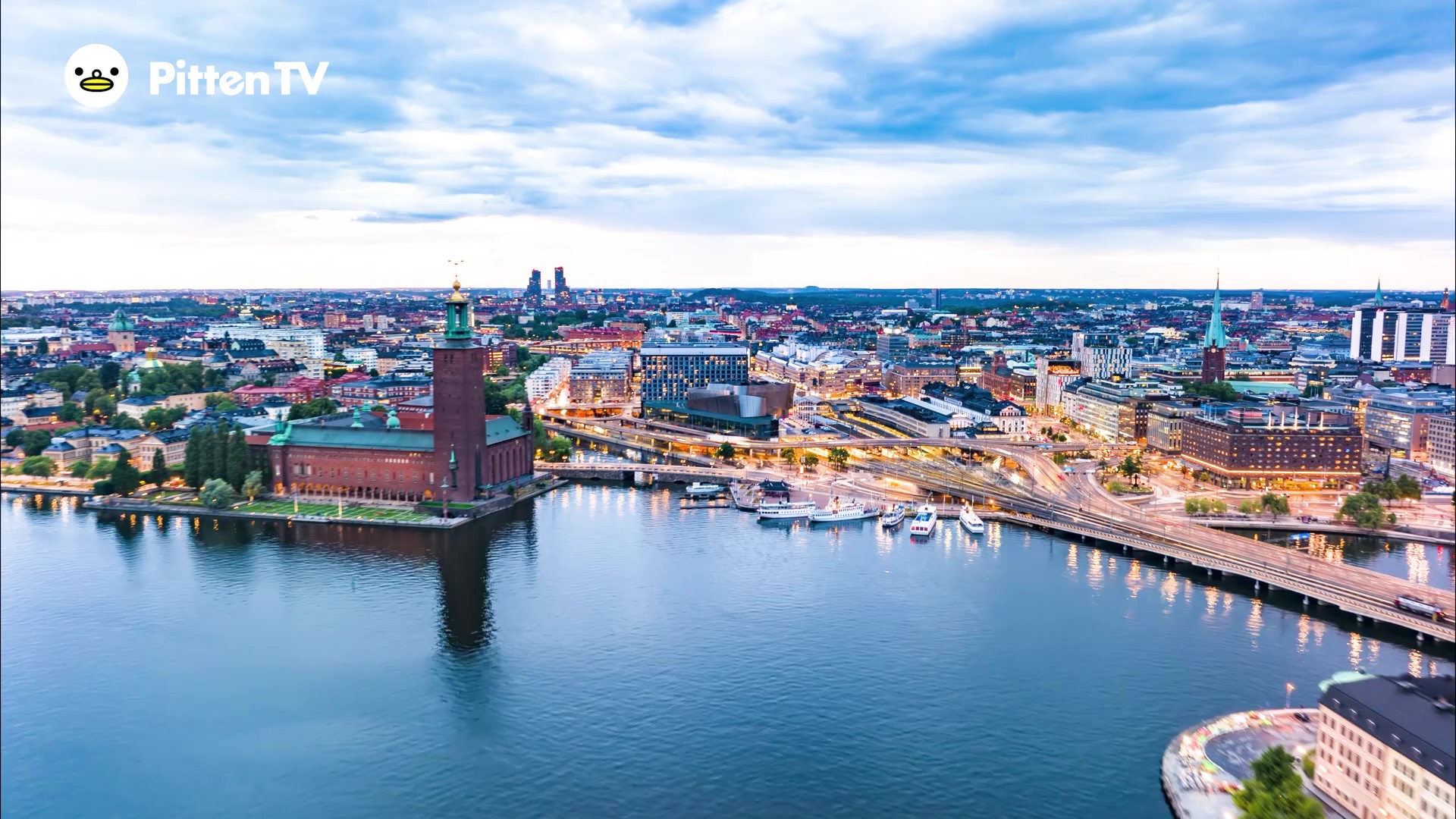
1523年6月6日は、グスタフ・ヴァーサがスウェーデンの国王に即位し、デンマークからの独立を果たした日です。この日を記念し、毎年6月6日は建国記念日として国をあげてお祝いをします。以前は「国旗の日」や「グスタフの日」と呼ばれていましたが、2005年に正式な祝日として制定され、「スウェーデン建国記念日」と名付けられました。
スウェーデン国民にとって建国記念日は、国を愛する気持ちを新たにする大切な祝日です。国旗掲揚を通じて自由と独立を祝福する日でもあります。祝賀行事として、王宮で国旗掲揚式が行われ、各地で軍隊による儀式や市民パレードが開催されます。また家族や友人と集まり、屋外でバーベキューを楽しむ習慣があります。
スウェーデンってどんな国?
スウェーデンは北ヨーロッパのスカンディナヴィア半島に位置する立憲君主制国家で、首都はストックホルムです。北欧諸国のひとつで、ノルウェー、フィンランド、デンマークと国境を接しています。経済面では森林、鉄鉱、水力資源を活用した工業が発展しており、特にIT産業も盛んです。
Pitten TRAVEL:スウェーデンを動画でみる
スウェーデン国民にとって建国記念日は、国を愛する気持ちを新たにする大切な祝日です。国旗掲揚を通じて自由と独立を祝福する日でもあります。祝賀行事として、王宮で国旗掲揚式が行われ、各地で軍隊による儀式や市民パレードが開催されます。また家族や友人と集まり、屋外でバーベキューを楽しむ習慣があります。
スウェーデンってどんな国?
スウェーデンは北ヨーロッパのスカンディナヴィア半島に位置する立憲君主制国家で、首都はストックホルムです。北欧諸国のひとつで、ノルウェー、フィンランド、デンマークと国境を接しています。経済面では森林、鉄鉱、水力資源を活用した工業が発展しており、特にIT産業も盛んです。
Pitten TRAVEL:スウェーデンを動画でみる
ENGLISH
June 6th is the National Day of the Kingdom of Sweden.
This day commemorates the day on June 6, 1523, when Gustav Vasa became King of Sweden and achieved independence from Denmark. In the past, this day was called "Flag Day" or "Gustav's Day". In 2005, it was established as an official national holiday and named "Swedish National Day".
For Swedes, National Day is an important holiday that renews their love for their country. It is also a day to celebrate freedom and independence through raising the flag. As a celebration, a flag-raising ceremony is held at the Royal Palace, and military ceremonies and civic parades are held in various places. It is also a custom to gather with family and friends and enjoy outdoor barbecues.
What kind of country is Sweden?
Sweden is a constitutional monarchy located on the Scandinavian Peninsula in Northern Europe, and its capital is Stockholm. It is one of the Nordic countries and shares borders with Norway, Finland, and Denmark. Economically, industries that utilize forests, iron ore, and hydroelectric resources are developing, and the IT industry is particularly thriving.
Pitten TRAVEL: Watch a video about Sweden
For Swedes, National Day is an important holiday that renews their love for their country. It is also a day to celebrate freedom and independence through raising the flag. As a celebration, a flag-raising ceremony is held at the Royal Palace, and military ceremonies and civic parades are held in various places. It is also a custom to gather with family and friends and enjoy outdoor barbecues.
What kind of country is Sweden?
Sweden is a constitutional monarchy located on the Scandinavian Peninsula in Northern Europe, and its capital is Stockholm. It is one of the Nordic countries and shares borders with Norway, Finland, and Denmark. Economically, industries that utilize forests, iron ore, and hydroelectric resources are developing, and the IT industry is particularly thriving.
Pitten TRAVEL: Watch a video about Sweden
[ 2026.06.03 ] 【Pitten TRAVEL】6月5日はデンマーク憲法記念日です。
Last update : 2026.06.04
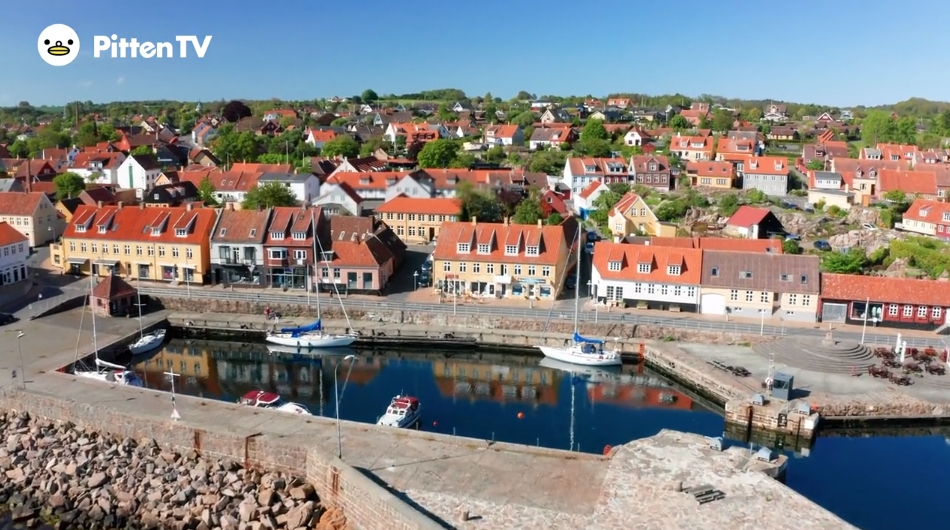
デンマークでは毎年6月5日に、1849年6月5日にデンマーク王国の憲法が制定された記念日として祝われます。公式な祝日ではありませんが、多くの人たちが休日となり、政治的な集会が数多く開かれます。国民の主権と自由を守る立憲主義の重要性を、国民が改めて認識する一日です。
どんな国なの?
デンマーク王国は、北欧に位置する立憲君主国で、首都はコペンハーゲンです。高い生活水準と社会福祉制度で知られており、「世界で最も幸せな国」の一つとして評価されています。また、デンマーク王国は、豊かな歴史と文化を持つ国です。ヴァイキング文化や中世の城郭など、多くの歴史的遺産が残されています。また、デザインや芸術、音楽などの分野でも世界的に評価されています。
Pitten TRAVEL:デンマークの動画をみる
どんな国なの?
デンマーク王国は、北欧に位置する立憲君主国で、首都はコペンハーゲンです。高い生活水準と社会福祉制度で知られており、「世界で最も幸せな国」の一つとして評価されています。また、デンマーク王国は、豊かな歴史と文化を持つ国です。ヴァイキング文化や中世の城郭など、多くの歴史的遺産が残されています。また、デザインや芸術、音楽などの分野でも世界的に評価されています。
Pitten TRAVEL:デンマークの動画をみる
ENGLISH
June 5th is the Constitution Day of the Kingdom of Denmark.
Every year on June 5th in Denmark, the anniversary of the establishment of the Danish Constitution on June 5th, 1849 is celebrated. Although it is not an official holiday, many people take the day off and many political rallies are held. It is a day when the people of Denmark are reminded of the importance of constitutionalism, which protects the sovereignty and freedom of the people.
The Kingdom of Denmark is a constitutional monarchy located in Northern Europe, with its capital being Copenhagen. It is known for its high standard of living and social welfare system, and is rated as one of the "happiest countries in the world." The Kingdom of Denmark is also a country with a rich history and culture. Many historical legacies remain, such as Viking culture and medieval castles. It is also highly regarded worldwide in the fields of design, art, and music.
What kind of country?
Pitten TRAVEL: Watch videos about Denmark
The Kingdom of Denmark is a constitutional monarchy located in Northern Europe, with its capital being Copenhagen. It is known for its high standard of living and social welfare system, and is rated as one of the "happiest countries in the world." The Kingdom of Denmark is also a country with a rich history and culture. Many historical legacies remain, such as Viking culture and medieval castles. It is also highly regarded worldwide in the fields of design, art, and music.
What kind of country?
Pitten TRAVEL: Watch videos about Denmark
[ 2026.05.29 ] 【Pitten TRAVEL】6月2日は、イタリアの共和国記念日です。
Last update : 2026.05.28
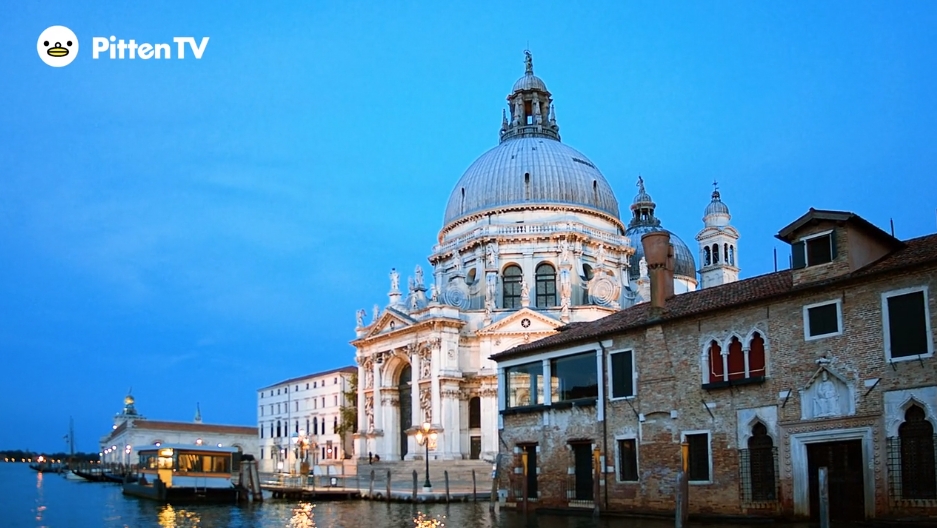
1946年6月2日、イタリアではそれまでの王政を廃止し、共和制となることを国民投票によって決定しました。 この歴史的な日を共和国の建国記念日として、毎年6月2日を国を挙げて祝います。
また、日本では6月2日は「イタリアワインの日」でもあります。これはイタリア大使館とイタリア貿易振興会が2007年に制定した記念日で、共和国記念日にあわせてイタリアワインをPRするイベントが行われます。
どんな国なの?
イタリア共和国は地中海に面したヨーロッパの国で、首都はローマです。国の形は、しばしば長靴に例えられます。イタリアは古代文化の発祥地の一つで、世界的な文化大国です。ローマ帝国の中心地であり、ルネサンスなどの重要な歴史的出来事もここで起こりました。レオナルド・ダ・ヴィンチやガリレオ、ミケランジェロなどの偉人たちの故郷でもあります。
Pitten TRAVEL:イタリアの動画をみる
また、日本では6月2日は「イタリアワインの日」でもあります。これはイタリア大使館とイタリア貿易振興会が2007年に制定した記念日で、共和国記念日にあわせてイタリアワインをPRするイベントが行われます。
どんな国なの?
イタリア共和国は地中海に面したヨーロッパの国で、首都はローマです。国の形は、しばしば長靴に例えられます。イタリアは古代文化の発祥地の一つで、世界的な文化大国です。ローマ帝国の中心地であり、ルネサンスなどの重要な歴史的出来事もここで起こりました。レオナルド・ダ・ヴィンチやガリレオ、ミケランジェロなどの偉人たちの故郷でもあります。
Pitten TRAVEL:イタリアの動画をみる
ENGLISH
June 2nd is Italian Republic Day.
On June 2, 1946, Italy abolished the monarchy and decided to establish a republic through a national referendum. This historic day is celebrated as the Republic's National Day on June 2 every year.
In Japan, June 2 is also Italian Wine Day. This is a day established in 2007 by the Italian Embassy and the Italian Trade Council, and an event to promote Italian wine is held on Republic Day.
What kind of country is it?
The Italian Republic is a European country facing the Mediterranean Sea, with Rome as its capital. The shape of the country is often likened to a boot. Italy is one of the birthplaces of ancient culture and a global cultural power. It was the center of the Roman Empire, and important historical events such as the Renaissance took place here. It is also the home of great people such as Leonardo da Vinci, Galileo, and Michelangelo.
Pitten TRAVEL: Watch videos about Italy
In Japan, June 2 is also Italian Wine Day. This is a day established in 2007 by the Italian Embassy and the Italian Trade Council, and an event to promote Italian wine is held on Republic Day.
What kind of country is it?
The Italian Republic is a European country facing the Mediterranean Sea, with Rome as its capital. The shape of the country is often likened to a boot. Italy is one of the birthplaces of ancient culture and a global cultural power. It was the center of the Roman Empire, and important historical events such as the Renaissance took place here. It is also the home of great people such as Leonardo da Vinci, Galileo, and Michelangelo.
Pitten TRAVEL: Watch videos about Italy
[ 2026.05.28 ] 【Pitten ZOO】5月30日は、世界アシカの日です。
Last update : 2026.05.25
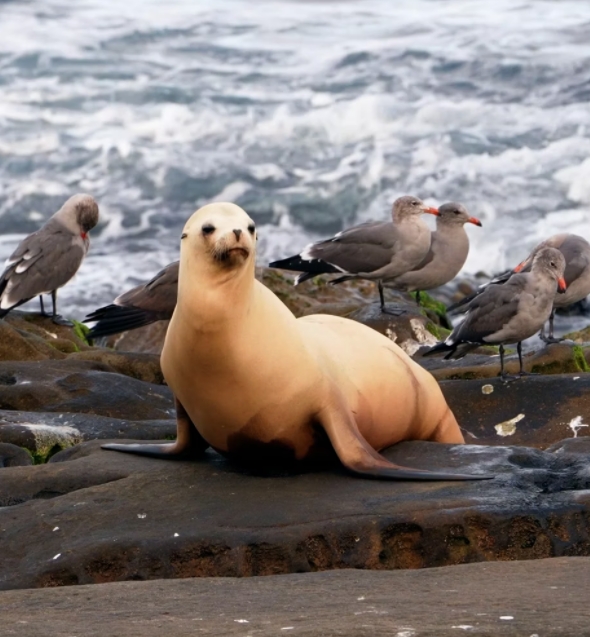
世界アシカの日は、2018年に制定された国際的な記念日です。この日は、アメリカのカンザスシティにあるオーシャンオブファンという施設で30年以上飼育されていたカリフォルニアアシカの「スリック」に敬意を表すために設けられました。
どんな動物?
アシカは海生哺乳類です。耳たぶがあり、前脚が発達しています。この前脚をうまく使って海中を自由に動き、陸上でも上手に移動することができます。知能が高く、人間に飼われると非常になつき、簡単な芸を覚えることもできます。
Pitten ZOO:アシカの動画を見る
二ホンアシカ
日本ではかつて二ホンアシカという固有種が生息しており、日本全国の沿岸部に分布していたと考えられています。しかし、19世紀末からの乱獲が大きく影響して、20世紀初頭には一部の離島を除き、ほとんど見られなくなってしまいました。
2020年の環境省レッドデータブックでは、絶滅危惧IA類とされています。
あいまいな「アシカ」
アシカの定義は次のように幅があります。
日本における歴史的なアシカ
日本後紀や和漢三才図会などの歴史的資料で言及されるアシカは、ほぼ例外なくニホンアシカを指します。これが本来の意味です。
アシカ属
ニホンアシカ、カリフォルニアアシカ、ガラパゴスアシカの3種を含む総称です。一部の説ではこれを1種または2種とすることもありますが、基本的に意味は同じです。
和名に「〜アシカ」と付く種
アシカ属の他に、オーストラリアアシカとニュージーランドアシカも含みますが、これは分類学的なグループではありません。
アシカ亜科
オタリアやトドも含む広義のアシカで、英語の「シーライオン」はこれに相当します。ただし、アシカ亜科は単系統ではなく、共通点は「長い体毛がない」程度です。
アシカ科
さらに広義でオットセイも含みます。
セイウチやアザラシは別の科に属します。
どんな動物?
アシカは海生哺乳類です。耳たぶがあり、前脚が発達しています。この前脚をうまく使って海中を自由に動き、陸上でも上手に移動することができます。知能が高く、人間に飼われると非常になつき、簡単な芸を覚えることもできます。
Pitten ZOO:アシカの動画を見る
二ホンアシカ
日本ではかつて二ホンアシカという固有種が生息しており、日本全国の沿岸部に分布していたと考えられています。しかし、19世紀末からの乱獲が大きく影響して、20世紀初頭には一部の離島を除き、ほとんど見られなくなってしまいました。
2020年の環境省レッドデータブックでは、絶滅危惧IA類とされています。
あいまいな「アシカ」
アシカの定義は次のように幅があります。
日本における歴史的なアシカ
日本後紀や和漢三才図会などの歴史的資料で言及されるアシカは、ほぼ例外なくニホンアシカを指します。これが本来の意味です。
アシカ属
ニホンアシカ、カリフォルニアアシカ、ガラパゴスアシカの3種を含む総称です。一部の説ではこれを1種または2種とすることもありますが、基本的に意味は同じです。
和名に「〜アシカ」と付く種
アシカ属の他に、オーストラリアアシカとニュージーランドアシカも含みますが、これは分類学的なグループではありません。
アシカ亜科
オタリアやトドも含む広義のアシカで、英語の「シーライオン」はこれに相当します。ただし、アシカ亜科は単系統ではなく、共通点は「長い体毛がない」程度です。
アシカ科
さらに広義でオットセイも含みます。
セイウチやアザラシは別の科に属します。
ENGLISH
May 30th is World Sea Lion Day.
World Sea Lion Day is an international commemorative day established in 2018. This day was established to honor Slick, a California sea lion who was kept in captivity for over 30 years at the Ocean of Fun facility in Kansas City, USA.
What kind of animal is it?
Sea lions are marine mammals. They have earlobes and well-developed front legs. They can use these legs to move freely in the sea and on land. They are highly intelligent, and when kept by humans, they become very tame and can learn simple tricks.
Pitten ZOO: Watch a video of Sea lions
Japanese sea lion
Japan once had an endemic species of Japanese sea lion, which is thought to have been distributed along the coasts of the country. However, due to overhunting from the end of the 19th century, by the beginning of the 20th century, they were rarely seen, except on some remote islands.
In the 2020 Red Data Book of the Ministry of the Environment, they are classified as endangered.
Uncertain term "sea lion"
The definition of sea lion varies widely as follows.
Historical sea lions in Japan
Sea lions mentioned in historical documents such as Nihon Koki and Wakan Sansai Zue almost always refer to Japanese sea lions. This is the original meaning.
Sea lion genus
A general term that includes three species: Japanese sea lion, California sea lion, and Galapagos sea lion. Some theories consider this to be one or two species, but the meaning is basically the same.
Species with "-ashika" in the Japanese name
In addition to the Sea lion genus, it also includes Australian sea lions and New Zealand sea lions, but this is not a taxonomic group.
Otariinae
A broad definition of sea lion that includes sea lions such as otarias and sea lions, and the English term "sea lion" corresponds to this. However, the Otariinae are not monophyletic, and the only thing they have in common is that they do not have long body hair.
Otariidae
An even broader definition that includes fur seals.
Walruses and seals belong to a different family.
What kind of animal is it?
Sea lions are marine mammals. They have earlobes and well-developed front legs. They can use these legs to move freely in the sea and on land. They are highly intelligent, and when kept by humans, they become very tame and can learn simple tricks.
Pitten ZOO: Watch a video of Sea lions
Japanese sea lion
Japan once had an endemic species of Japanese sea lion, which is thought to have been distributed along the coasts of the country. However, due to overhunting from the end of the 19th century, by the beginning of the 20th century, they were rarely seen, except on some remote islands.
In the 2020 Red Data Book of the Ministry of the Environment, they are classified as endangered.
Uncertain term "sea lion"
The definition of sea lion varies widely as follows.
Historical sea lions in Japan
Sea lions mentioned in historical documents such as Nihon Koki and Wakan Sansai Zue almost always refer to Japanese sea lions. This is the original meaning.
Sea lion genus
A general term that includes three species: Japanese sea lion, California sea lion, and Galapagos sea lion. Some theories consider this to be one or two species, but the meaning is basically the same.
Species with "-ashika" in the Japanese name
In addition to the Sea lion genus, it also includes Australian sea lions and New Zealand sea lions, but this is not a taxonomic group.
Otariinae
A broad definition of sea lion that includes sea lions such as otarias and sea lions, and the English term "sea lion" corresponds to this. However, the Otariinae are not monophyletic, and the only thing they have in common is that they do not have long body hair.
Otariidae
An even broader definition that includes fur seals.
Walruses and seals belong to a different family.
[ 2026.05.26 ] 【Pitten ZOO】2026年5月27日(5月の最終水曜日)は「世界カワウソの日」です。
Last update : 2026.05.25

「世界カワウソの日」は、国際カワウソ保護基金(IOSF)によって制定された記念日で、毎年5月の最終水曜日がこの記念日になります。ここでいうカワウソとは、正確にはラッコなども含むカワウソ亜科(=英:Otter)のことです。この日は、世界中の13種のカワウソ亜科の仲間達が絶滅の危機にある現状を多くの方に知ってもらうために設けられています。また、カワウソ亜科の仲間達の保護活動を促進し、カワウソ亜科に関する理解を深めるために、さまざまなイベントが開催されます。
どんな動物?
カワウソは水中生活に適応し、泳ぎが得意な動物です。体は細長く、水の抵抗が少ないため敏捷な泳ぎが可能です。密生した体毛は水をはじくため、体温が奪われるのを防いでいます。
Pitten ZOO:カワウソの動画を見る
絶滅した日本のカワウソ「獺・川獺」
日本にはかつて、全国各地にカワウソが生息しており、昔話や故事などにも頻繁に登場するような身近な存在でした。このカワウソは、二ホンカワウソという固有種であったという見解もあります。しかし、毛皮や肺結核の薬となる肝臓を目的として、明治から昭和初期にかけて乱獲が進んだ結果、1979年(昭和54年)6月、高知県で目撃されて以降、確証のある生存証拠がない状態が続いたため、2012年に絶滅動物に指定されました。
<国際カワウソ保護基金とは>
国際カワウソ保護基金(IOSF)は、1992年に英国で設立されました。その目的は、世界中のカワウソ亜科の動物達を保護し、彼らの生息地を守ることです。カワウソ亜科の動物達は、河川や湖沼、海岸などの水辺に生息する哺乳類で独特の生態系に適応しています。しかし、環境の変化、汚染、違法な取引、交通事故などにより、数は減少しています。IOSFは、教育、リハビリテーション、研究、法的保護などを通じて、カワウソ亜科の動物達の保護に取り組んでいます。
ホームページ(英語):国際カワウソ保護基金(IOSF)
どんな動物?
カワウソは水中生活に適応し、泳ぎが得意な動物です。体は細長く、水の抵抗が少ないため敏捷な泳ぎが可能です。密生した体毛は水をはじくため、体温が奪われるのを防いでいます。
Pitten ZOO:カワウソの動画を見る
絶滅した日本のカワウソ「獺・川獺」
日本にはかつて、全国各地にカワウソが生息しており、昔話や故事などにも頻繁に登場するような身近な存在でした。このカワウソは、二ホンカワウソという固有種であったという見解もあります。しかし、毛皮や肺結核の薬となる肝臓を目的として、明治から昭和初期にかけて乱獲が進んだ結果、1979年(昭和54年)6月、高知県で目撃されて以降、確証のある生存証拠がない状態が続いたため、2012年に絶滅動物に指定されました。
<国際カワウソ保護基金とは>
国際カワウソ保護基金(IOSF)は、1992年に英国で設立されました。その目的は、世界中のカワウソ亜科の動物達を保護し、彼らの生息地を守ることです。カワウソ亜科の動物達は、河川や湖沼、海岸などの水辺に生息する哺乳類で独特の生態系に適応しています。しかし、環境の変化、汚染、違法な取引、交通事故などにより、数は減少しています。IOSFは、教育、リハビリテーション、研究、法的保護などを通じて、カワウソ亜科の動物達の保護に取り組んでいます。
ホームページ(英語):国際カワウソ保護基金(IOSF)
ENGLISH
The last Wednesday of May is "World Otter Day".
World Otter Day is a commemorative day established by the International Otter Fund (IOSF) on the last Wednesday of May every year. This day was established to raise awareness of the current situation in which otters around the world are in danger of extinction. On this day, various events are held to promote otter conservation efforts and deepen understanding of otters.
What kind of animal is it?
Otters are adapted to life in the water and are good swimmers. Their long and slender bodies offer little resistance in water, allowing them to swim swiftly. Their dense fur repels water, preventing the loss of body heat.
Pitten ZOO: Watch the otter video
The extinct Japanese otter
Otters once lived all over Japan, and were familiar creatures that frequently appeared in old tales and stories. However, as a result of overhunting from the Meiji period to the early Showa period for their fur and livers, which are used as medicine for pulmonary tuberculosis, they were designated as an extinct animal in 2012 because there was no conclusive evidence of their survival after they were spotted in Kochi Prefecture in June 1979 (Showa 54).
"About the International Otter Fund"
The International Otter Survival Fund (IOSF) was established in the UK in 1992. Its purpose is to protect otters around the world and protect their habitats. Otters are mammals that live in water areas such as rivers, lakes, and coasts, and have adapted to a unique ecosystem. However, environmental changes, pollution, illegal trade, and traffic accidents have led to a decline in the number of otters. IOSF works to protect otters through education, rehabilitation, research, and legal protection.
Website : International Otter Survival Fund (IOSF)
What kind of animal is it?
Otters are adapted to life in the water and are good swimmers. Their long and slender bodies offer little resistance in water, allowing them to swim swiftly. Their dense fur repels water, preventing the loss of body heat.
Pitten ZOO: Watch the otter video
The extinct Japanese otter
Otters once lived all over Japan, and were familiar creatures that frequently appeared in old tales and stories. However, as a result of overhunting from the Meiji period to the early Showa period for their fur and livers, which are used as medicine for pulmonary tuberculosis, they were designated as an extinct animal in 2012 because there was no conclusive evidence of their survival after they were spotted in Kochi Prefecture in June 1979 (Showa 54).
"About the International Otter Fund"
The International Otter Survival Fund (IOSF) was established in the UK in 1992. Its purpose is to protect otters around the world and protect their habitats. Otters are mammals that live in water areas such as rivers, lakes, and coasts, and have adapted to a unique ecosystem. However, environmental changes, pollution, illegal trade, and traffic accidents have led to a decline in the number of otters. IOSF works to protect otters through education, rehabilitation, research, and legal protection.
Website : International Otter Survival Fund (IOSF)
[ 2026.05.25 ] 【Pitten TRAVEL】5月26日は、ジョージアの独立記念日です。

5月26日は、ジョージアの独立記念日です。
ジョージアの独立記念日は、1918年5月26日にザカフカス民主連邦共和国からの独立を宣言した日を記念する祝日です。短期間の独立後、ソビエト連邦に編入されましたが、1991年4月9日に改めて独立を回復しました。5月26日は、この最初の独立宣言を想起し、国家の主権と自由を祝う重要な日として国民に親しまれています。
どんな国?
ジョージアは、東ヨーロッパと西アジアの境界に位置し、豊かな自然と古代からの文化が息づく国です。コーカサス山脈の雄大な景色、黒海沿岸の温暖な気候、そして世界最古のワイン造りの歴史を持つことで知られています。多様な民族が共存し、独自の言語と文字、そして伝統的な音楽や舞踊など、魅力的な文化を育んできました。
Pitten TRAVEL:ジョージアを動画でみる
詳細
1917年のロシア革命後、南コーカサス地域では民族自決の動きが高まりました。1918年2月には、ジョージア、アルメニア、アゼルバイジャンが合同でザカフカス民主連邦共和国を樹立しましたが、民族間の対立などから短期間で解体に至ります。
このような状況下、ジョージア国民評議会は1918年5月26日にトビリシで独立宣言を行い、グルジア民主共和国が成立しました。ノエ・ジョルダニアを首班とするメンシェヴィキ(社会民主主義者)政権は、立憲民主主義に基づいた近代国家の建設を目指し、土地改革や教育制度の整備などに取り組みました。しかし、その独立は長くは続かず、1921年にはソビエト・ロシアの侵攻を受け、ソビエト連邦に編入されました。
その後、長年にわたるソビエト連邦の支配を経て、1980年代後半のペレストロイカの波に乗って、ジョージア国内でも独立運動が活発化しました。1991年3月31日には独立の是非を問う国民投票が行われ、圧倒的な賛成多数を得て独立が決定。同年4月9日、最高評議会は正式にジョージアの独立回復を宣言しました。
5月26日は、1918年の最初の独立宣言を記念する日として、ジョージア各地で様々な祝賀行事が行われます。首都トビリシでは、軍事パレードやコンサート、民族舞踊などが披露され、国旗が掲げられた街は祝祭ムードに包まれます。この日は、ジョージア国民にとって、過去の苦難を乗り越え、自由と独立の尊さを再認識する重要な機会となっています。
参照)
・在ジョージア日本国大使館 - ジョージア基礎データ
・Ministry of Foreign Affairs of Georgia
・Wikipedia - Georgia (country)
ジョージアの独立記念日は、1918年5月26日にザカフカス民主連邦共和国からの独立を宣言した日を記念する祝日です。短期間の独立後、ソビエト連邦に編入されましたが、1991年4月9日に改めて独立を回復しました。5月26日は、この最初の独立宣言を想起し、国家の主権と自由を祝う重要な日として国民に親しまれています。
どんな国?
ジョージアは、東ヨーロッパと西アジアの境界に位置し、豊かな自然と古代からの文化が息づく国です。コーカサス山脈の雄大な景色、黒海沿岸の温暖な気候、そして世界最古のワイン造りの歴史を持つことで知られています。多様な民族が共存し、独自の言語と文字、そして伝統的な音楽や舞踊など、魅力的な文化を育んできました。
Pitten TRAVEL:ジョージアを動画でみる
詳細
1917年のロシア革命後、南コーカサス地域では民族自決の動きが高まりました。1918年2月には、ジョージア、アルメニア、アゼルバイジャンが合同でザカフカス民主連邦共和国を樹立しましたが、民族間の対立などから短期間で解体に至ります。
このような状況下、ジョージア国民評議会は1918年5月26日にトビリシで独立宣言を行い、グルジア民主共和国が成立しました。ノエ・ジョルダニアを首班とするメンシェヴィキ(社会民主主義者)政権は、立憲民主主義に基づいた近代国家の建設を目指し、土地改革や教育制度の整備などに取り組みました。しかし、その独立は長くは続かず、1921年にはソビエト・ロシアの侵攻を受け、ソビエト連邦に編入されました。
その後、長年にわたるソビエト連邦の支配を経て、1980年代後半のペレストロイカの波に乗って、ジョージア国内でも独立運動が活発化しました。1991年3月31日には独立の是非を問う国民投票が行われ、圧倒的な賛成多数を得て独立が決定。同年4月9日、最高評議会は正式にジョージアの独立回復を宣言しました。
5月26日は、1918年の最初の独立宣言を記念する日として、ジョージア各地で様々な祝賀行事が行われます。首都トビリシでは、軍事パレードやコンサート、民族舞踊などが披露され、国旗が掲げられた街は祝祭ムードに包まれます。この日は、ジョージア国民にとって、過去の苦難を乗り越え、自由と独立の尊さを再認識する重要な機会となっています。
参照)
・在ジョージア日本国大使館 - ジョージア基礎データ
・Ministry of Foreign Affairs of Georgia
・Wikipedia - Georgia (country)
ENGLISH
May 26th is Georgia's Independence Day.
May 26th is Georgia's Independence Day.
Georgia's Independence Day is a national holiday commemorating the day on May 26th, 1918 when the country declared independence from the Transcaucasian Democratic Federal Republic. After a short period of independence, the country was incorporated into the Soviet Union, but regained independence again on April 9th, 1991. May 26th is a day to remember this first declaration of independence and to celebrate the sovereignty and freedom of the nation, and is a day that is loved by the people.
What kind of country is it?
Georgia is located on the border between Eastern Europe and Western Asia, and is a country with rich nature and ancient culture. It is known for the majestic scenery of the Caucasus Mountains, the warm climate of the Black Sea coast, and the world's oldest history of winemaking. Diverse ethnic groups coexist and have nurtured a fascinating culture, including their own language and writing, as well as traditional music and dance.
Pitten TRAVEL: Watch Georgia on video
Details
After the Russian Revolution of 1917, the movement for ethnic self-determination intensified in the South Caucasus region. In February 1918, Georgia, Armenia, and Azerbaijan jointly established the Transcaucasian Democratic Federal Republic, but it was dissolved in a short time due to ethnic conflicts.
Under these circumstances, the Georgian National Council declared independence in Tbilisi on May 26, 1918, and the Georgian Democratic Republic was established. The Menshevik (social democratic) government, headed by Noe Jordania, aimed to build a modern state based on constitutional democracy and worked on land reform and the development of the education system. However, that independence did not last long, and in 1921, the country was invaded by Soviet Russia and incorporated into the Soviet Union.
After many years of Soviet rule, the independence movement became active in Georgia with the wave of perestroika in the late 1980s. A national referendum was held on March 31, 1991, and independence was decided by an overwhelming majority. On April 9 of the same year, the Supreme Council officially declared Georgia's independence restored.
On May 26, various celebratory events are held throughout Georgia to commemorate the first declaration of independence in 1918. In the capital, Tbilisi, military parades, concerts, folk dances, and other events are held, and the city is filled with a festive mood as the national flag is raised. This day is an important opportunity for the Georgian people to overcome past hardships and reaffirm the value of freedom and independence.
---
Reference)
・Embassy of Japan in Georgia - Basic information on Georgia
・Ministry of Foreign Affairs of Georgia
・Wikipedia - Georgia (country)
Georgia's Independence Day is a national holiday commemorating the day on May 26th, 1918 when the country declared independence from the Transcaucasian Democratic Federal Republic. After a short period of independence, the country was incorporated into the Soviet Union, but regained independence again on April 9th, 1991. May 26th is a day to remember this first declaration of independence and to celebrate the sovereignty and freedom of the nation, and is a day that is loved by the people.
What kind of country is it?
Georgia is located on the border between Eastern Europe and Western Asia, and is a country with rich nature and ancient culture. It is known for the majestic scenery of the Caucasus Mountains, the warm climate of the Black Sea coast, and the world's oldest history of winemaking. Diverse ethnic groups coexist and have nurtured a fascinating culture, including their own language and writing, as well as traditional music and dance.
Pitten TRAVEL: Watch Georgia on video
Details
After the Russian Revolution of 1917, the movement for ethnic self-determination intensified in the South Caucasus region. In February 1918, Georgia, Armenia, and Azerbaijan jointly established the Transcaucasian Democratic Federal Republic, but it was dissolved in a short time due to ethnic conflicts.
Under these circumstances, the Georgian National Council declared independence in Tbilisi on May 26, 1918, and the Georgian Democratic Republic was established. The Menshevik (social democratic) government, headed by Noe Jordania, aimed to build a modern state based on constitutional democracy and worked on land reform and the development of the education system. However, that independence did not last long, and in 1921, the country was invaded by Soviet Russia and incorporated into the Soviet Union.
After many years of Soviet rule, the independence movement became active in Georgia with the wave of perestroika in the late 1980s. A national referendum was held on March 31, 1991, and independence was decided by an overwhelming majority. On April 9 of the same year, the Supreme Council officially declared Georgia's independence restored.
On May 26, various celebratory events are held throughout Georgia to commemorate the first declaration of independence in 1918. In the capital, Tbilisi, military parades, concerts, folk dances, and other events are held, and the city is filled with a festive mood as the national flag is raised. This day is an important opportunity for the Georgian people to overcome past hardships and reaffirm the value of freedom and independence.
---
Reference)
・Embassy of Japan in Georgia - Basic information on Georgia
・Ministry of Foreign Affairs of Georgia
・Wikipedia - Georgia (country)